

Zhang Ping Shui Xian Oolong (Qing Xiang)
Regular price
$15.50
Control humidity: Avoid storing tea in conditions that are either too dry or too humid.
Keep it cool: Store tea in a cool place away from direct sunlight and heat sources. Keep in mind that display cabinet lights can also produce heat.
Protect from light: Avoid using transparent containers whenever possible.
Limit exposure to air: Keep tea well sealed and avoid opening the container more often than necessary.
After we receive your order, we will process your package within 48 hours and hand it over to our international shipping partner. We will also send your tracking number by email. At this stage, tracking information may not be available yet.
Once the shipping partner receives the package, it usually takes 1–3 days (excluding Sundays) for them to process and dispatch it. Tracking information will begin to update after the package has been dispatched.
Delivery usually takes around 7–18 days from the date of dispatch.
If you run into issues while paying with PayPal, such as the page getting stuck while loading, it may be related to your network connection. Try switching to a different network or using another device. You can also try paying by credit card instead.

Wuyi Yancha is what our own family makes in Wuyishan, and it is the tea we work with most closely. We know the growing areas and tea plants firsthand, as well as the decisions that go into processing and roasting. For the small number of other teas we carry, we work with tea-making families we know personally and whose work we know well.

Wuyi Yancha carries the influence of where it is grown. Wuyishan has a particular growing environment shaped by its rocky terrain, soil, climate, sunlight, and moisture, and these conditions are an important part of what makes Wuyi Yancha what it is. Together with cultivar, processing, and roasting, they all play a part in the aroma, texture, and overall character of the finished tea.

We try to keep the information about our teas simple and clear. We share where each tea comes from, what tea plant it is made from, and how it was processed and roasted, so you have a clear idea of what you're drinking.
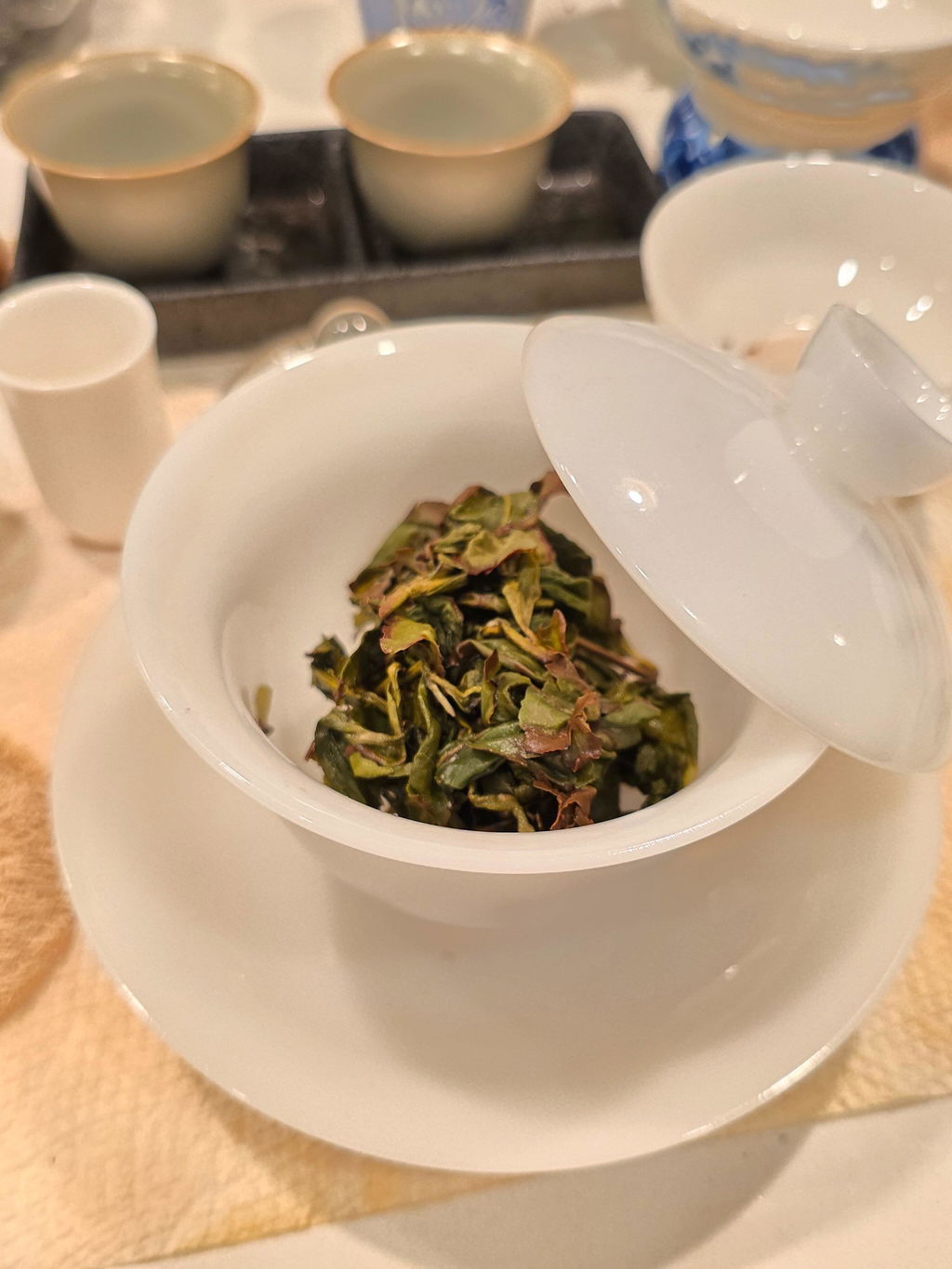
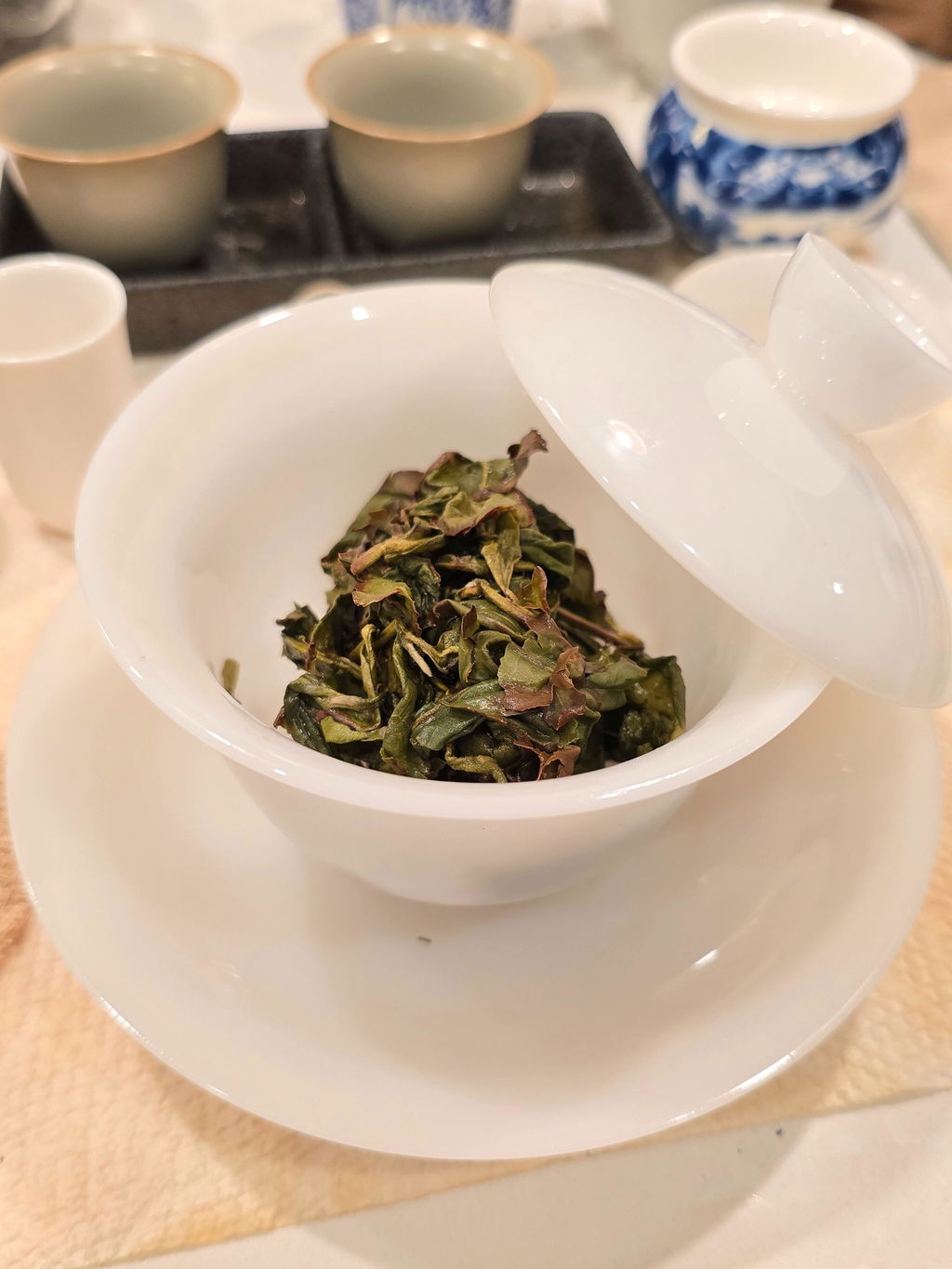
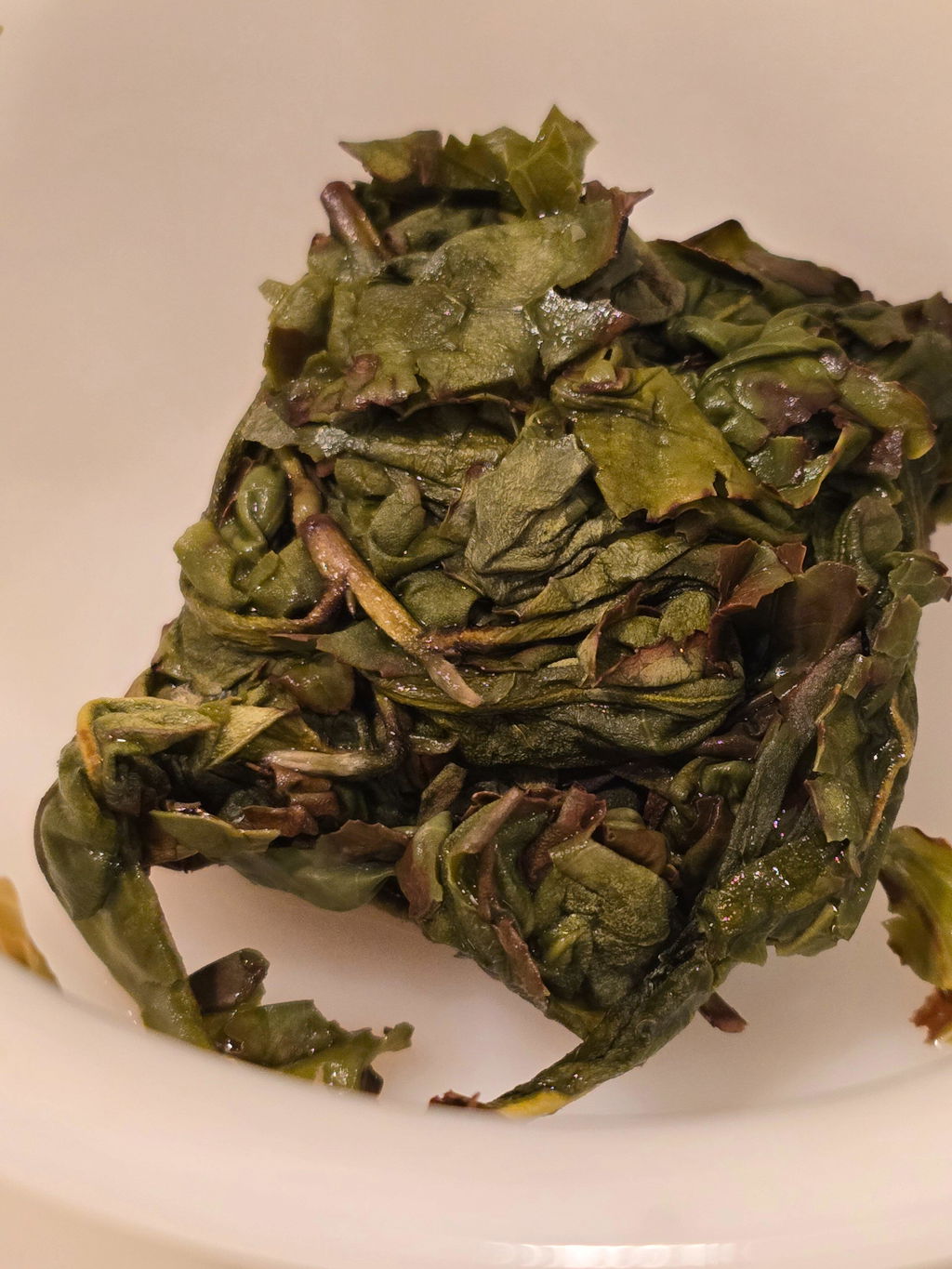
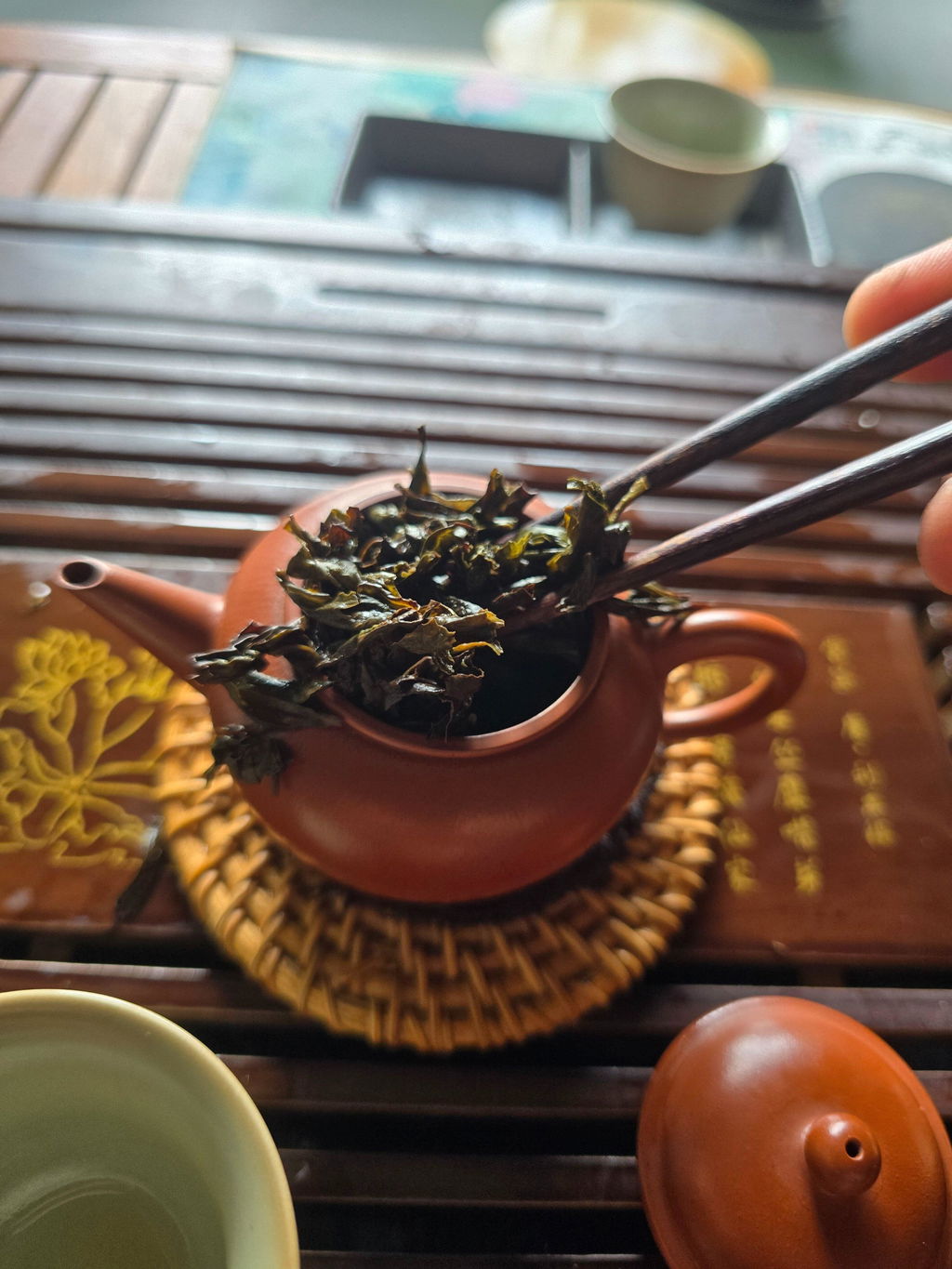
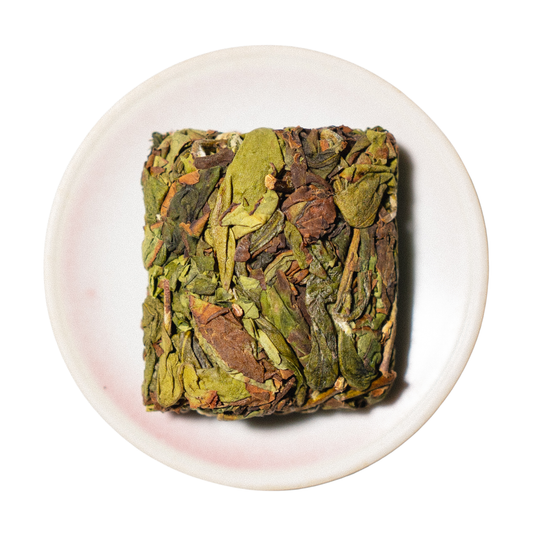
For the “Qing Xiang” style, the Zheng Family shakes the leaves more gently to create a lighter level of oxidation. This is how they preserve more of the Shui Xian cultivar’s fragrance and fresh character. They press the leaves into square tea cakes, then roast them at relatively low temperatures with lighter heat and a shorter roasting time to preserve the tea’s natural color and delicate aroma.

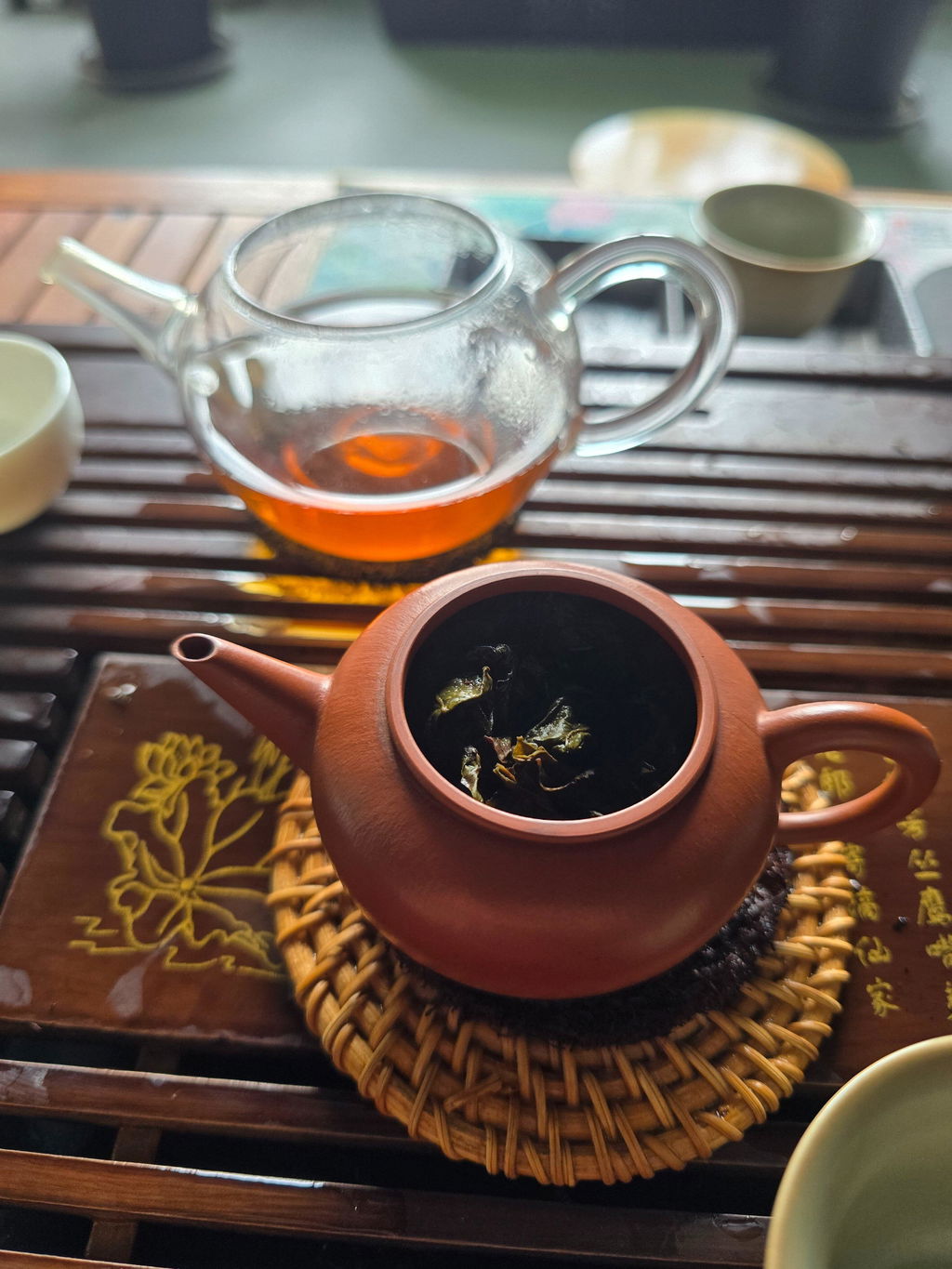
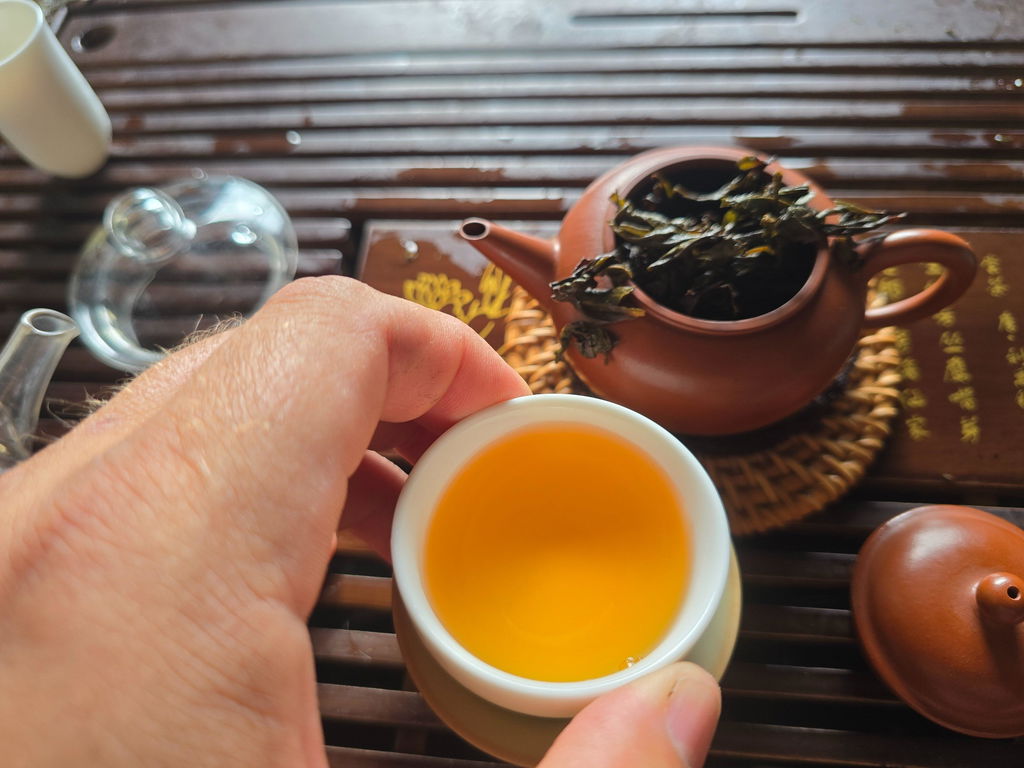
After brewing, the aroma brings together orchid floral notes and a soft, delicate creamy note. It feels smooth and mellow on the palate, with a gentle sweetness throughout. If you enjoy the orchid fragrance of Southern Fujian oolongs like Tie Guan Yin, you will likely enjoy this tea as well.
Why is Zhang Ping Shui Xian wrapped in paper?
In the final roasting stage, each tea brick is wrapped in paper before it is slowly roasted. The paper creates a buffer between the tea and the heat, helping keep charcoal scent from settling too directly into the leaves and allowing the tea’s floral character to stay clear.

This wrapping also has a practical purpose. Zhang Ping Shui Xian was historically made for export to Southeast Asia, and the paper helped protect the tea from moisture in the air. Once the leaves are pressed into compact bricks, the outer wrapping also helps them hold their shape, making them less likely to crumble during travel or everyday handling.
Processing: Zhang Ping Shui Xian vs. Wuyi Shui Xian

The processing of Zhang Ping Shui Xian shares some similarities with Wuyi rock tea. It follows the traditional steps of cǎi qīng (“plucking”), shài qīng (“sun withering”), zuò qīng (“leaf shaking and resting”), shā qīng (“killing green”), róu niǎn (“rolling the leaves”), zào xíng (“shaping”), and hōng bèi (“roasting”). Its yáo qīng (“leaf shaking”) method is based on northern Fujian oolong processing while also incorporating elements of southern Fujian oolong.
Tea: 10g (one brick)
Gaiwan: 120–150ml
Water Temperature: 100°C / 212°F
1st infusion: 15–20s, then discard as a rinse
2nd infusion: 20s
3rd–4th infusions: once the leaves have started to open up, steep each infusion for 10–15s
5th–7th infusions: 15–25s
After that: add 5–10s to each infusion as needed
Note: Be sure to pour out the tea soup completely after each infusion. Do not let it sit in the gaiwan.
(Adjust the tea amount and steeping time to suit your own taste.)