

Jasmine Chun Hao
Regular price
$11.00
Control humidity: Avoid storing tea in conditions that are either too dry or too humid.
Keep it cool: Store tea in a cool place away from direct sunlight and heat sources. Keep in mind that display cabinet lights can also produce heat.
Protect from light: Avoid using transparent containers whenever possible.
Limit exposure to air: Keep tea well sealed and avoid opening the container more often than necessary.
After we receive your order, we will process your package within 48 hours and hand it over to our international shipping partner. We will also send your tracking number by email. At this stage, tracking information may not be available yet.
Once the shipping partner receives the package, it usually takes 1–3 days (excluding Sundays) for them to process and dispatch it. Tracking information will begin to update after the package has been dispatched.
Delivery usually takes around 7–18 days from the date of dispatch.
If you run into issues while paying with PayPal, such as the page getting stuck while loading, it may be related to your network connection. Try switching to a different network or using another device. You can also try paying by credit card instead.

Wuyi Yancha is what our own family makes in Wuyishan, and it is the tea we work with most closely. We know the growing areas and tea plants firsthand, as well as the decisions that go into processing and roasting. For the small number of other teas we carry, we work with tea-making families we know personally and whose work we know well.

Wuyi Yancha carries the influence of where it is grown. Wuyishan has a particular growing environment shaped by its rocky terrain, soil, climate, sunlight, and moisture, and these conditions are an important part of what makes Wuyi Yancha what it is. Together with cultivar, processing, and roasting, they all play a part in the aroma, texture, and overall character of the finished tea.

We try to keep the information about our teas simple and clear. We share where each tea comes from, what tea plant it is made from, and how it was processed and roasted, so you have a clear idea of what you're drinking.
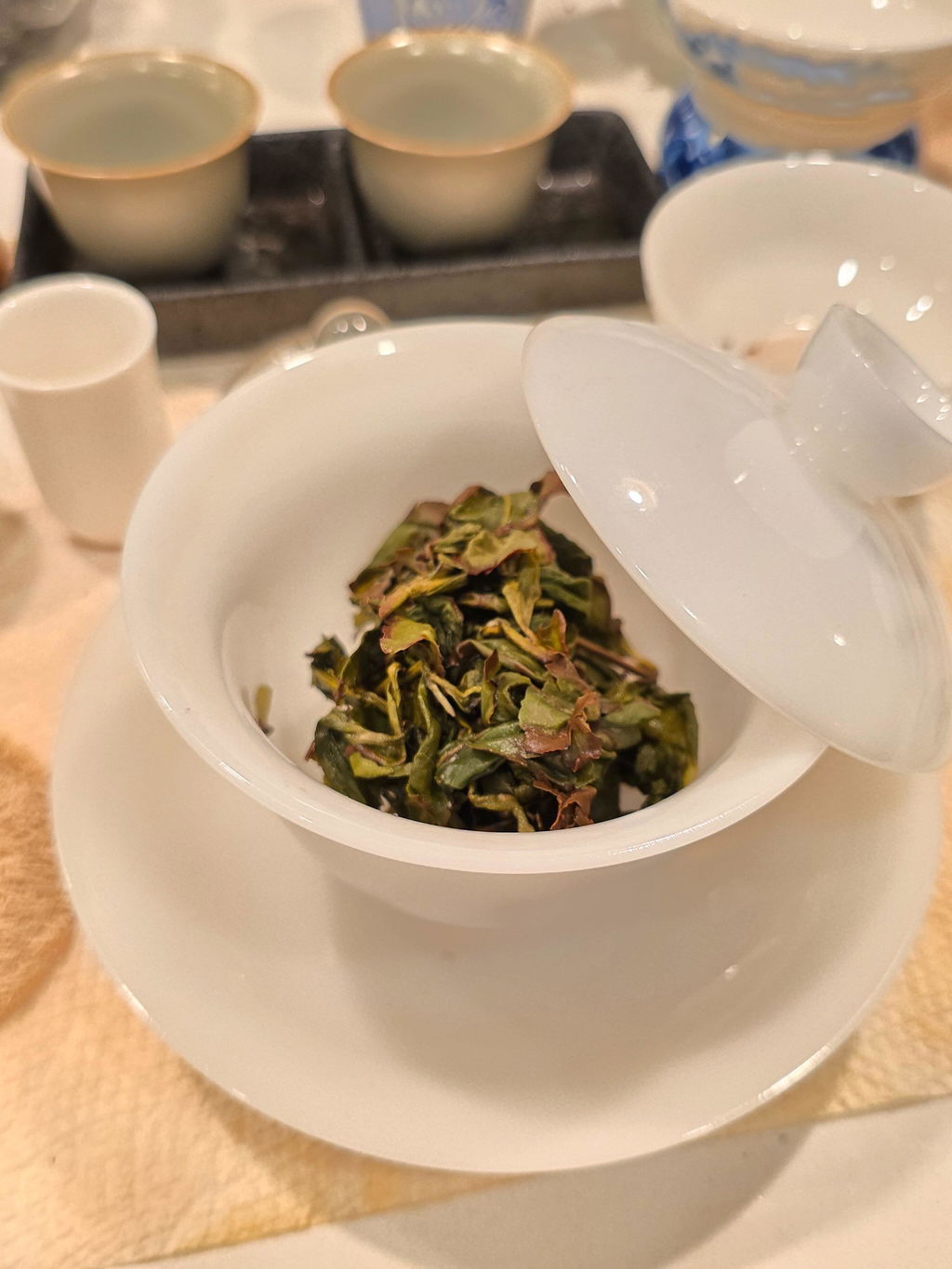
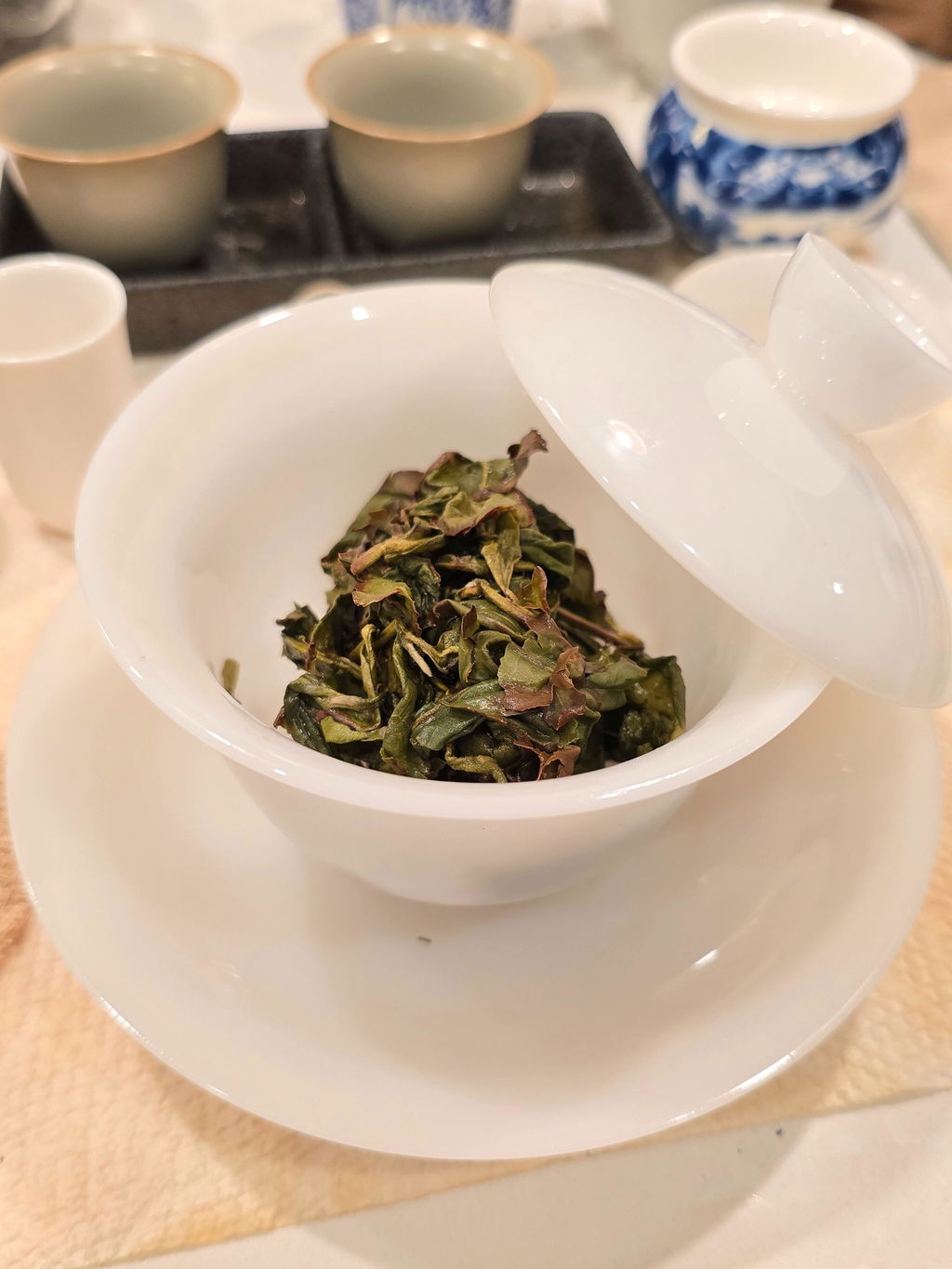
Chen Family makes this Jasmine Chun Hao on a baked green tea base crafted from Fuding Da Bai. For scenting, they work with jasmine flowers grown along the Min River of Fuzhou, an area long valued for producing flowers with a clear, expressive fragrance. They scent the tea four times in total. In the first round, a small amount of fresh magnolia is added to the jasmine flowers as a base layer, giving the finished tea a fuller, more saturated floral aroma without making it feel heavy.
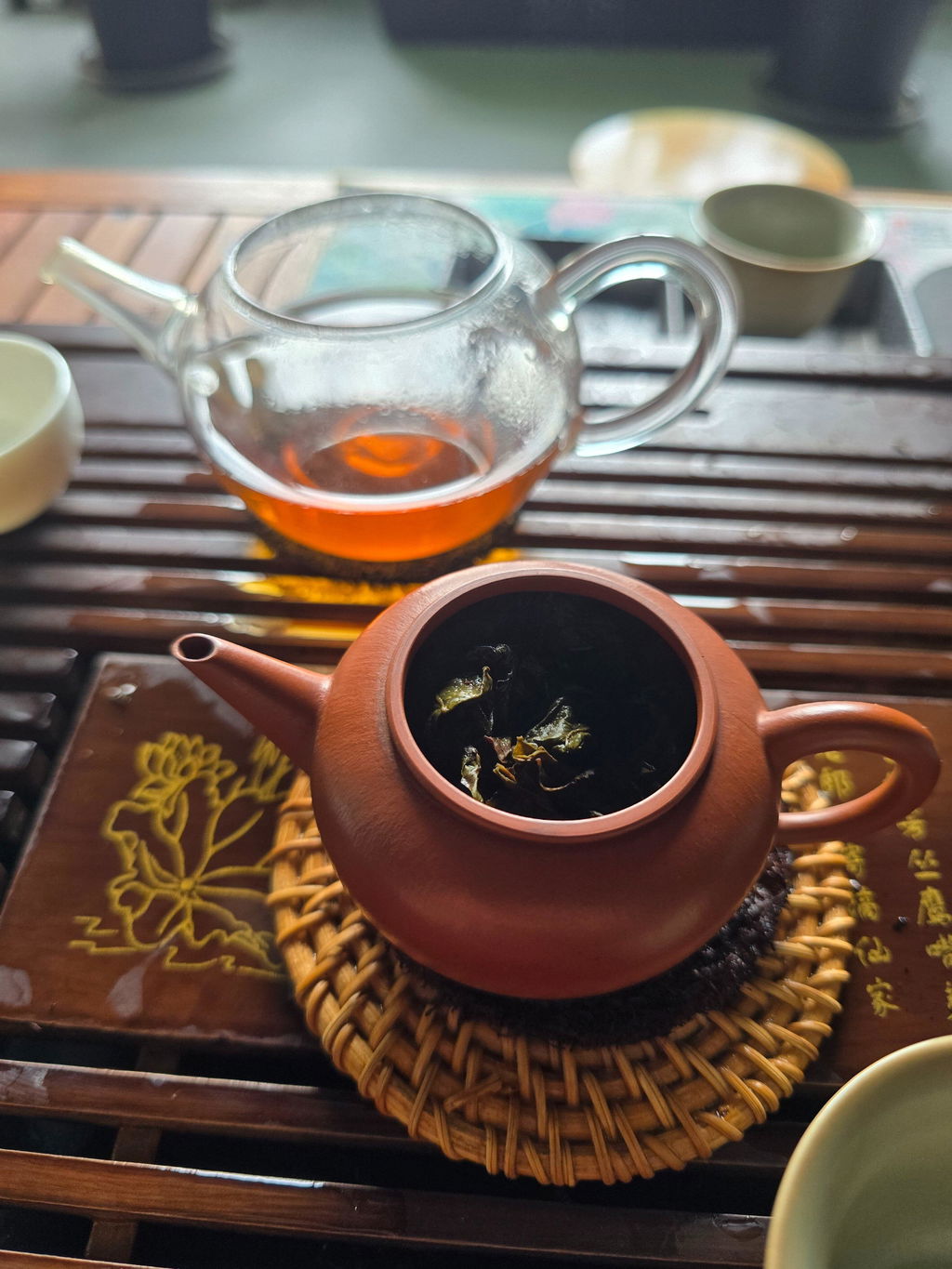
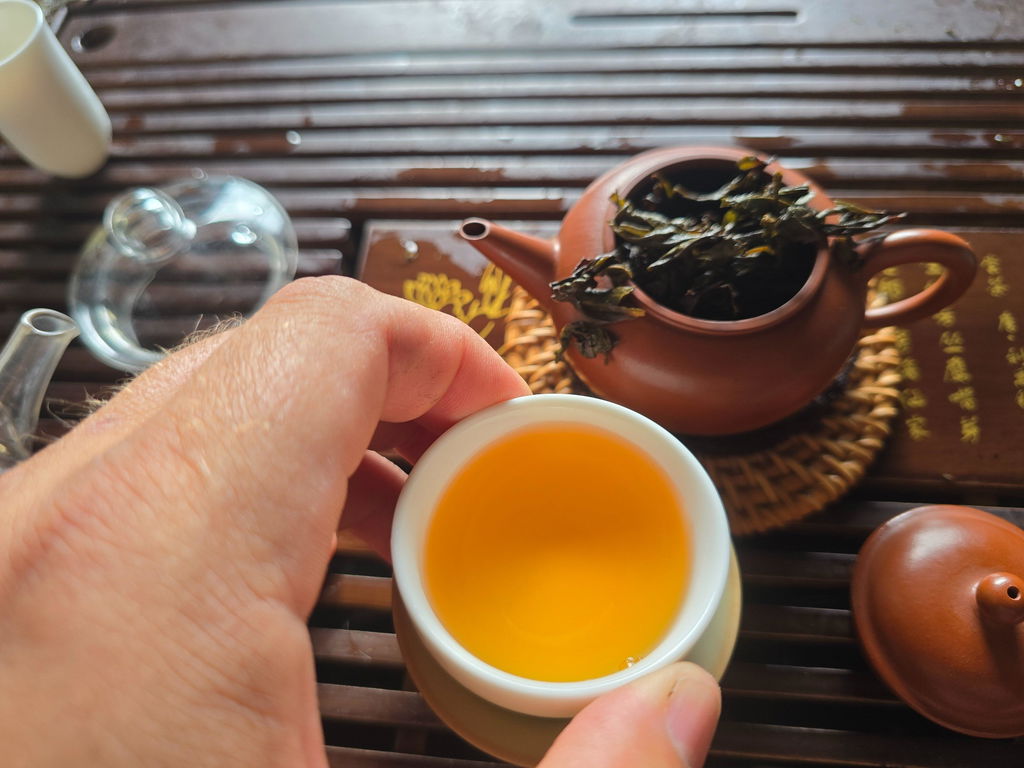
In the cup, the jasmine comes through in a natural way, the fragrance feels soft yet vivid, rising easily with each sip and breath. On the palate, a clear sweetness forms at the base of the tongue, recalling rock sugar, while the liquor stays fresh, light, and clean.
What Makes Fuzhou Jasmine Different?
1) The processing
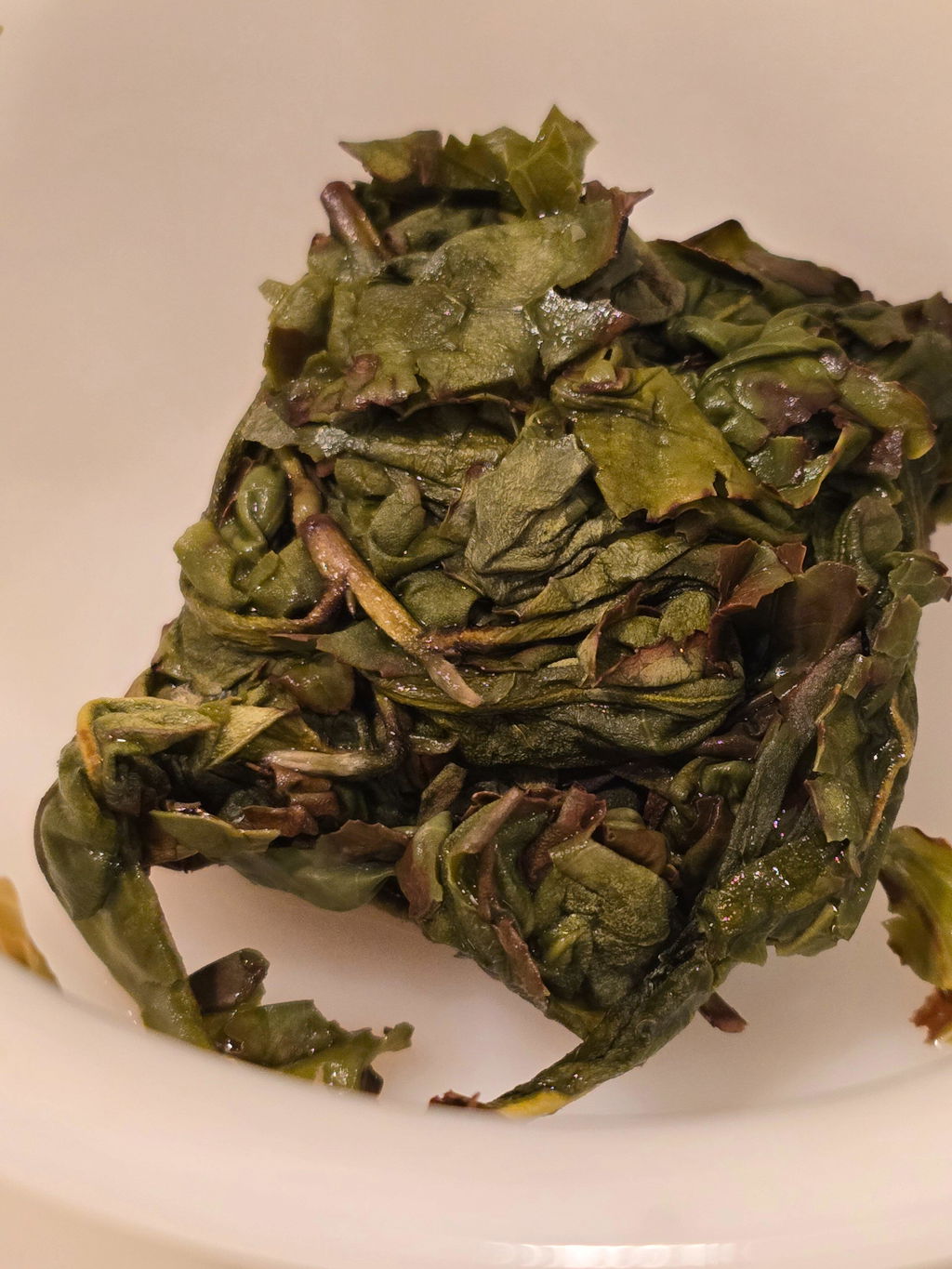
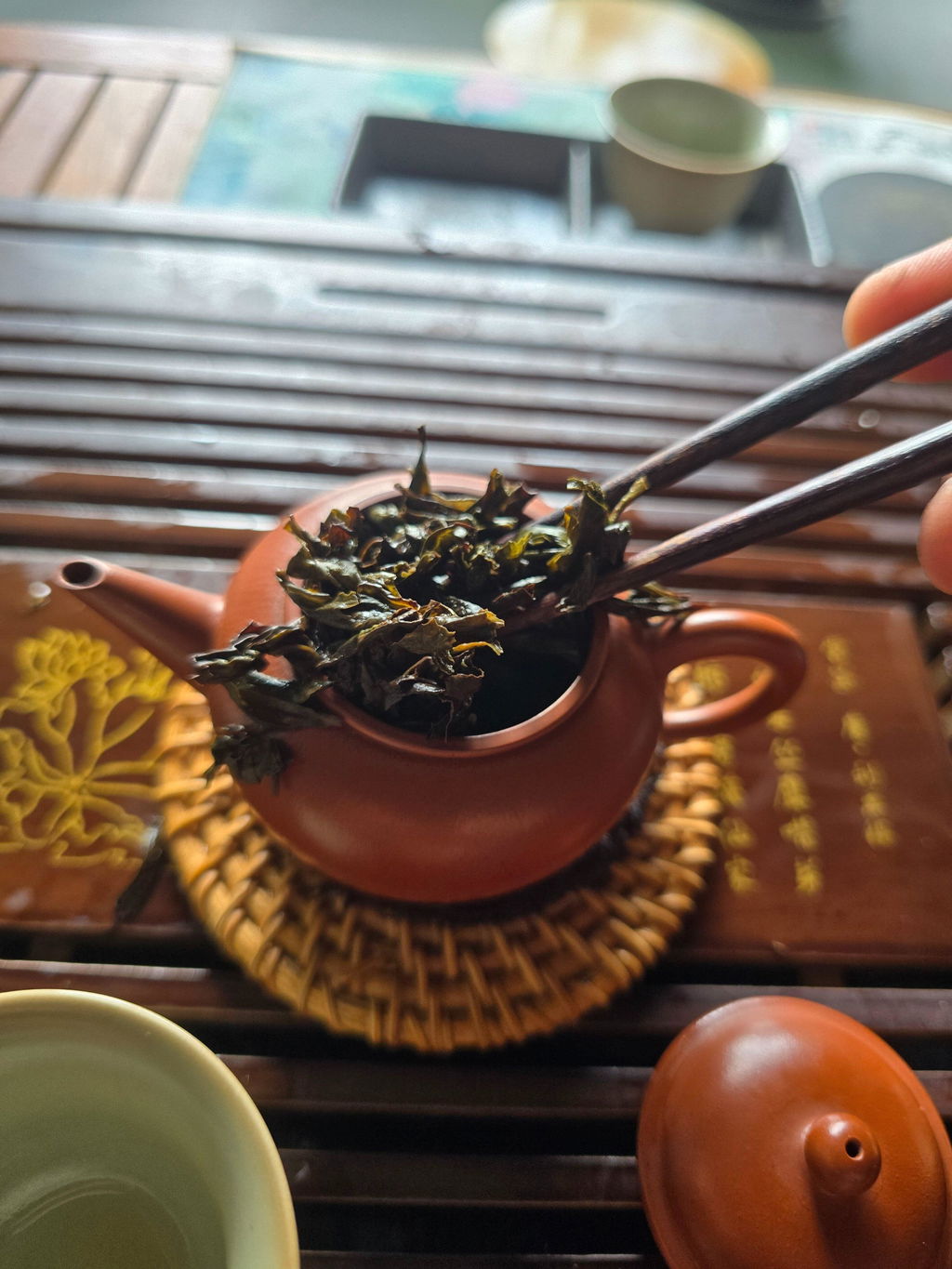
One distinctive feature of traditional Fuzhou jasmine tea is that the tea base is cut during processing. After brewing, you may notice broken edges on the leaves. This is intentional. Cutting the tea increases the contact area between the leaves and the fresh flowers, allowing the scenting to happen more evenly and efficiently. It also makes it easier to separate the tea from the spent flowers using sieves of different sizes after each round of scenting.
2) The jasmine flowers
Fuzhou jasmine tea is made with local jasmine grown in the sandy soils around Fuzhou. This jasmine has a refined, clear, and lasting aroma. The plants are relatively small and lower-yielding, which is part of why the material is so valued. In Fuzhou, the flowers used for scenting are generally picked from June into autumn, when their essential oil content is higher and the fragrance is at its most expressive.
3) The rock sugar-like sweetness
Part of the charm of Fuzhou jasmine tea is its distinctive rock sugar-like sweetness. The baked green tea base, often made from Fuding Da Bai or Fuding Da Hao, is naturally rich in amino acids, giving the tea a fresh and lively character from the start. During withering and later processing, proteins in the leaves break down into amino acids, while polysaccharides are converted into soluble sugars, helping create the tea’s distinctive rock sugar-like sweetness. The floral scent of Fuzhou jasmine also softens the tea’s light polyphenolic astringency, so the overall impression feels sweeter, cleaner, and more refreshing. With repeated traditional scenting, the tea becomes even more integrated, and the cup takes on a sweetness that feels pure, like rock sugar slowly dissolving in water.
Hot Brewing
Tea: 5g
Gaiwan: 120ml-150ml
Water Temperature: 85°C / 185°F
Steep the first 3 infusions for 10–15
seconds, then add 5–10 seconds to each following infusion as needed.
Cold Brewing
Use room-temperature water with a
tea-to-water ratio of 1:200. Let it steep for 15–30 minutes. If you prefer it cold,
refrigerate it for at least 2 hours before drinking.
(Adjust the tea amount and steeping time to suit your own taste.)