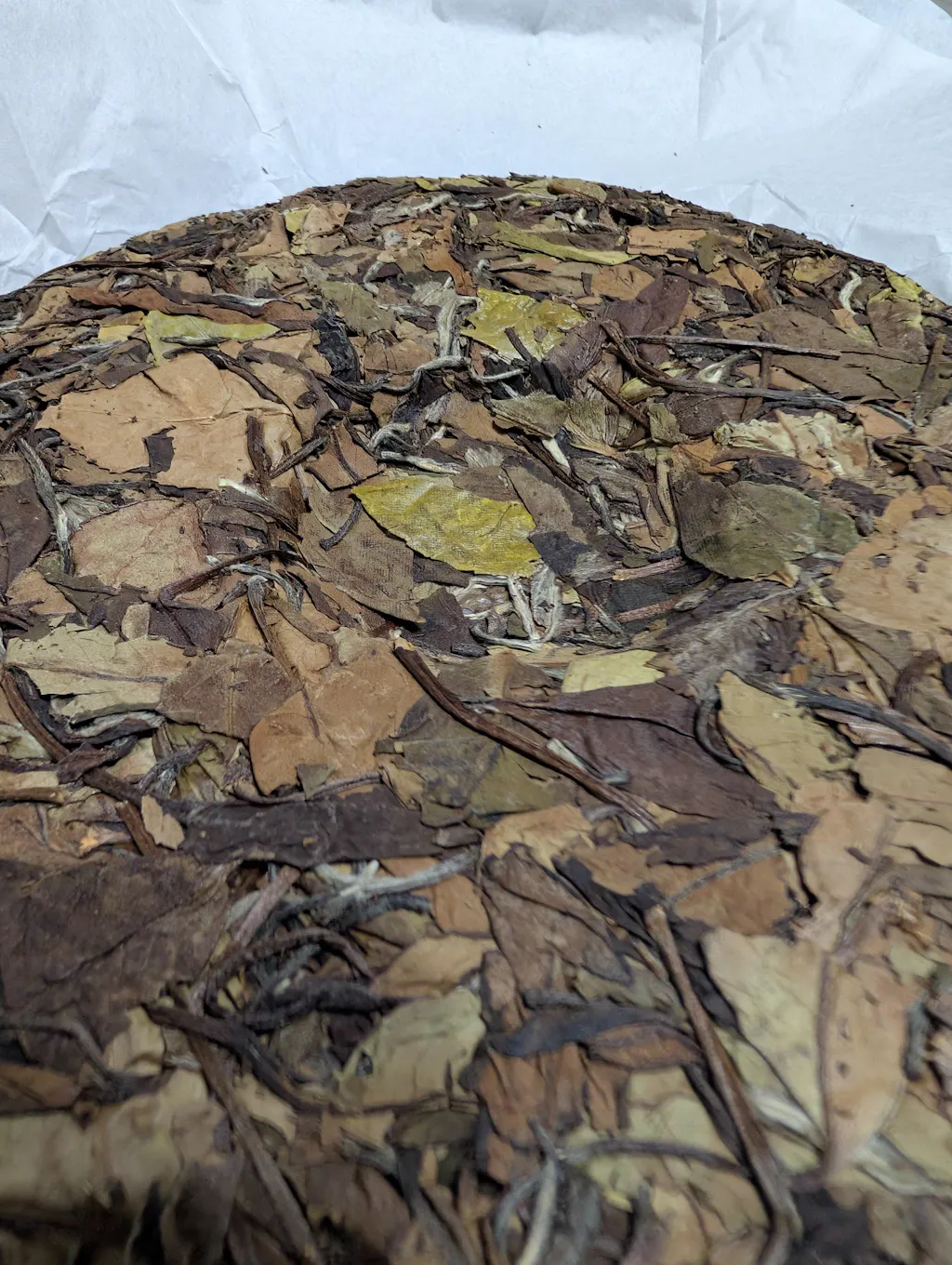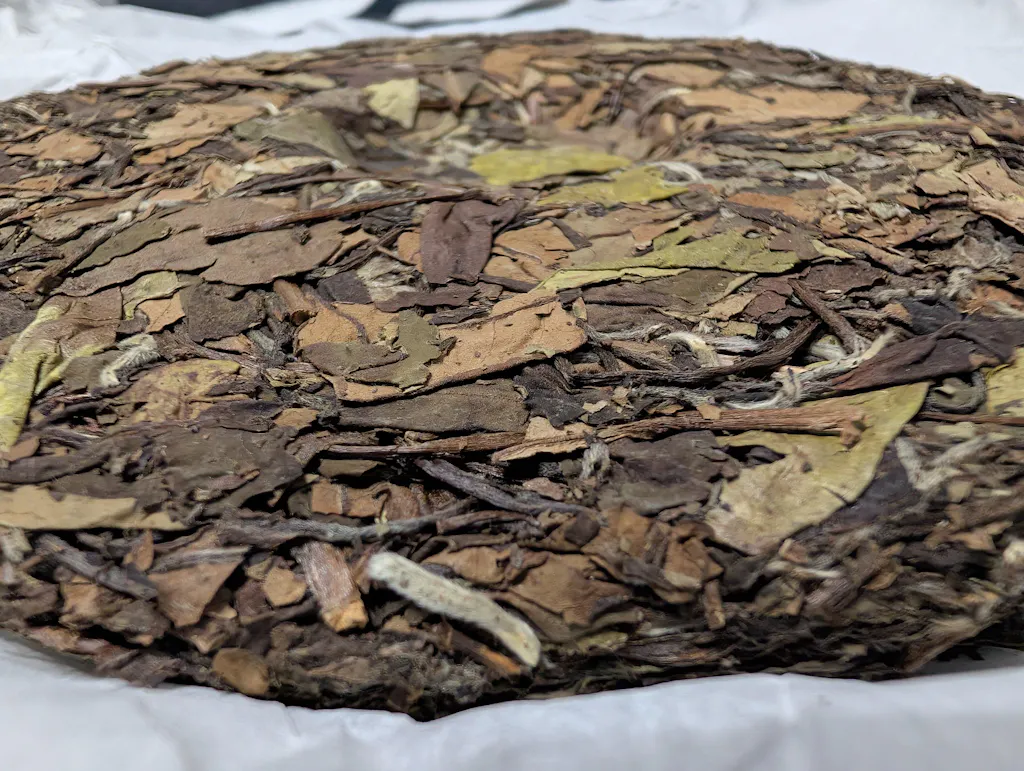


Shui Jin Gui
Regular price
$16.00
If you’re a beginner, we definitely recommend our Go-to Tea Sampler Box. It includes 8 different types of high-quality teas, allowing you to discover your favorite tea in the most affordable way.
For finest taste, tea should be stored in a place that is cool and dry.
Rock tea is best enjoyed within a 3-year period.
Black tea is best enjoyed within a 2-year period.
Green tea and Oolong tea are best enjoyed within a 2-year period.
White tea is an exception. Its internal compounds evolve over time, enhancing its fragrance and creating a deeper, mellower taste. Therefore, it does not have a specific optimal drinking period.
All packages are shipped from China. Please kindly note that our teas are prepared at our warehouse in Fujian, which usually takes no more than 72 hours. Once ready, package will be sent to an international shipping company in Shenzhen, then shipped to the destination country. International shipping typically takes 14-21 days.
If you run into issues while paying with PayPal, like the page getting stuck on loading, it’s usually due to a poor network connection. You can try switching to a different network or using another device. Alternatively, you can also try paying with a credit card instead.

Our teas all come from tea-making families. Some are made by our own family, and others are crafted by families we've known and trusted for years. Not from an unknown source, but from real people and family producers whose craft we trust and have seen in person.

It means you can actually taste where the tea comes from. It stays true to its own place, so the local soil, rocks, and climate all come through in the cup. With Wuyi rock oolong, you get that clear rock rhythm (Yan Yun) and a deep, lingering fragrance that only those rocky slopes can give. When you drink it, you're not just having a cup of tea, you're getting a small snapshot of that landscape.

We like to keep things honest and simple. When we share a tea, we share all the detailed information too, so you always know what you're drinking. We'd love to be the trusted tea partner you can turn to.
Click to learn more about our roast levels
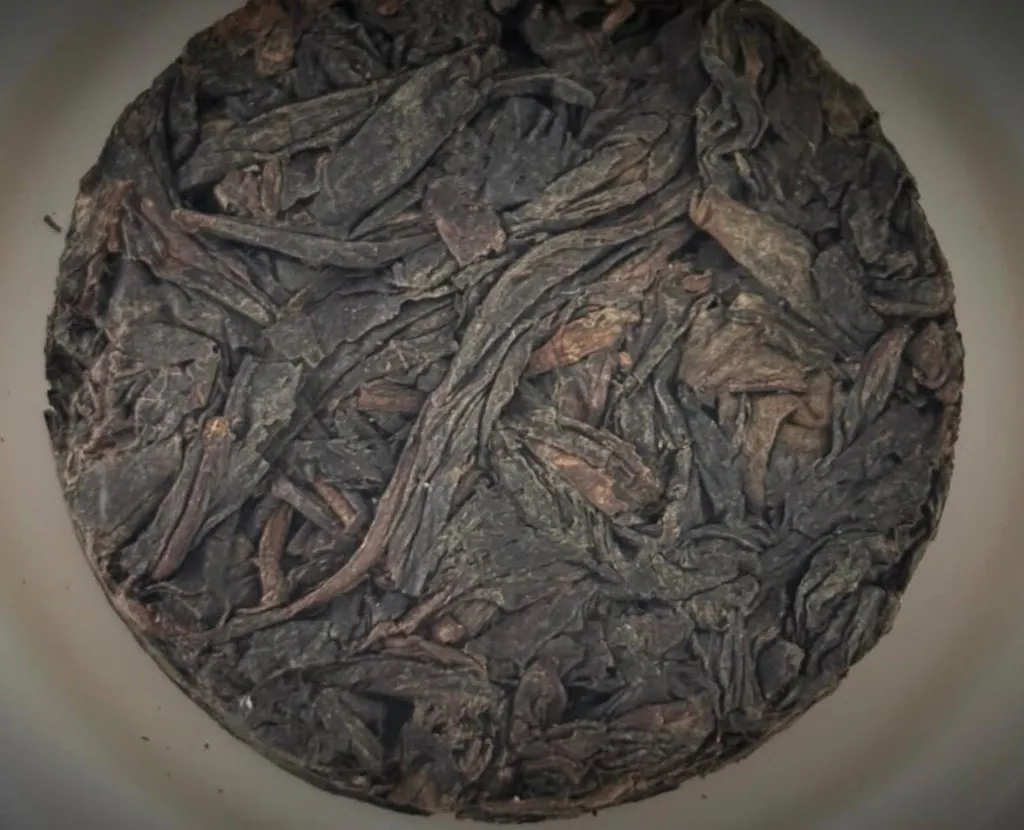
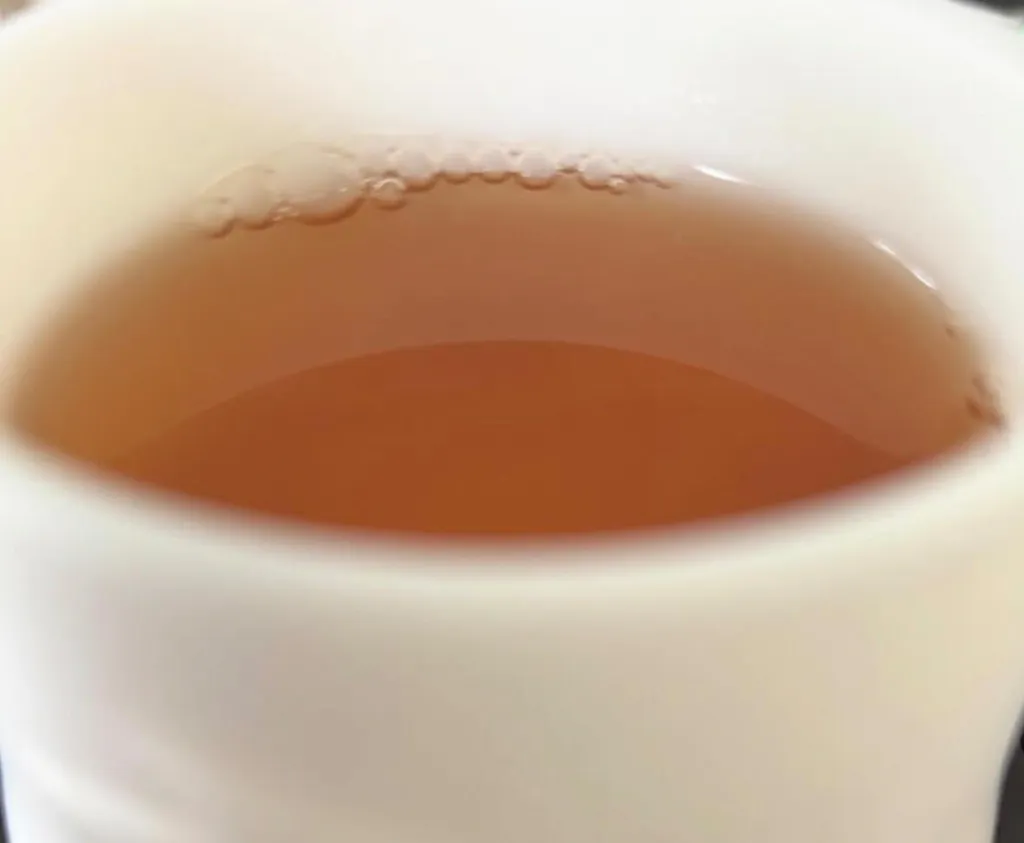
We charcoal roasted this Shui Jin Gui to a medium-light level to preserve its natural floral lift while drawing out gentle fruit sweetness and a light caramel warmth. This approach allows it to remain aromatic and expressive while gaining a smoother, more rounded body. In the cup, it opens with bright floral fragrance, followed by gentle fruit sweetness, a touch of caramel warmth, and a clean, rounded finish.
Why It’s Called Shui Jin Gui

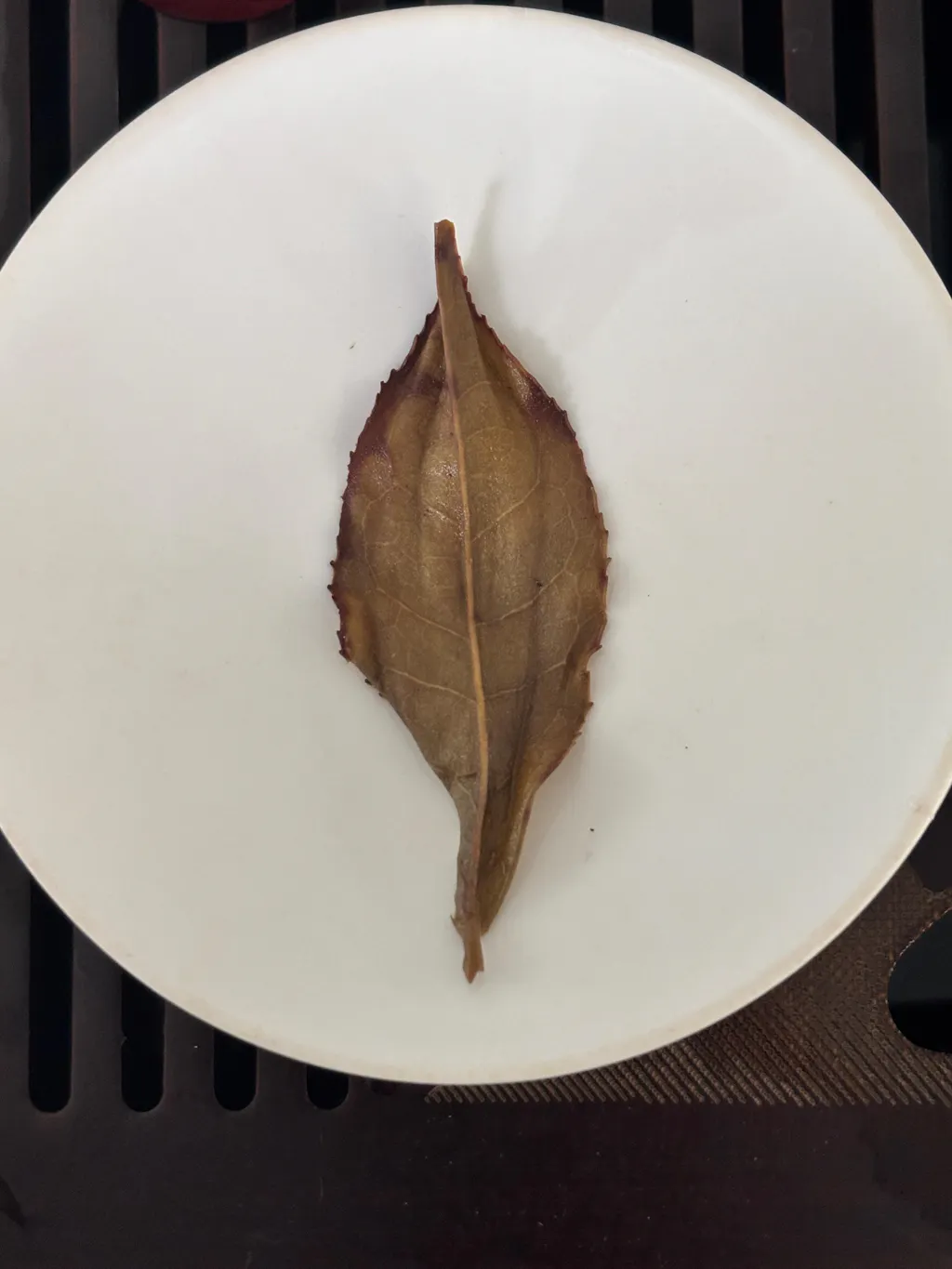
Shui Jin Gui takes its name from both appearance and habitat. Jin Gui, or “Golden Turtle,” refers to the yellow-green sheen of its leaves in sunlight, which resembles the glossy pattern of a turtle shell. Shui, meaning “water,” points to the moist cliffside environment where this cultivar prefers to grow.
The Legend of Shui Jin Gui
In the late Qing period (mid to late 19th century), the original Shui Jin Gui tea bush was said to have grown on a cliff at Du Ge Zhai Peak (杜葛寨峰 dù gé zhài fēng), land belonging to Tianxin Temple (天心寺 tiān xīn sì). One day, after a sudden storm, part of the mountainside collapsed, and the tea bush was washed down to the area near Lan Gu Rock (兰谷岩 lán gǔ yán) in Niulan Gully (牛栏坑 niú lán kēng). When local tea farmers found it, they saw it as a gift from heaven and carefully replanted it by carving into the rock and building up the soil around it.
When the monks of Tianxin Temple learned what had happened, they claimed the bush still belonged to the temple. What followed was a long dispute that continued into the early Republican period, with both sides spending heavily over the fate of a tea plant. In the end, the authorities ruled that because the bush had been moved by natural forces rather than stolen by human hands, it should belong to the place where it was found. The case became one of the most talked-about tea stories of its time.

When the scholar Shi Leng (施棱) heard of the matter, he was deeply astonished by the fact that both sides had spent so many years and so much money fighting over a single tea bush. In response, he inscribed the four characters “不可思议” (“bù kě sī yì”, meaning “Extraordinary”, the inscription reflects not only astonishment at the decades-long legal dispute over a single tea tree, but also the tree’s exceptional value) on the cliff face in the middle section of Niulan Gully, adding his name beneath them. With its poised and elegant calligraphy, the inscription has remained one of Wuyishan’s notable cliff carvings to this day.
Tea: 8g
Gaiwan: 110–150ml
Water Temperature: 100°C / 212°F
(When possible, use spring water, purified water, or good-quality mineral water. Avoid using very hard water)
Use flash steeping (pour out the tea in about 3s). Do not oversteep. As the flavor begins to fade, extend each infusion by 5–10s as needed.
Note: Be sure to pour out the tea soup completely after each infusion. Do not let it sit in the gaiwan.
(Adjust the tea amount and steeping time to suit your own taste.)