

Zhang Ping Shui Xian Oolong (Qing Xiang)
Regular price
$15.50
If you’re a beginner, we definitely recommend our Go-to Tea Sampler Box. It includes 8 different types of high-quality teas, allowing you to discover your favorite tea in the most affordable way.
For finest taste, tea should be stored in a place that is cool and dry.
Rock tea is best enjoyed within a 3-year period.
Black tea is best enjoyed within a 2-year period.
Green tea and Oolong tea are best enjoyed within a 2-year period.
White tea is an exception. Its internal compounds evolve over time, enhancing its fragrance and creating a deeper, mellower taste. Therefore, it does not have a specific optimal drinking period.
All packages are shipped from China. Please kindly note that our teas are prepared at our warehouse in Fujian, which usually takes no more than 72 hours. Once ready, package will be sent to an international shipping company in Shenzhen, then shipped to the destination country. International shipping typically takes 14-21 days.
If you run into issues while paying with PayPal, like the page getting stuck on loading, it’s usually due to a poor network connection. You can try switching to a different network or using another device. Alternatively, you can also try paying with a credit card instead.

Our teas all come from tea-making families. Some are made by our own family, and others are crafted by families we've known and trusted for years. Not from an unknown source, but from real people and family producers whose craft we trust and have seen in person.

It means you can actually taste where the tea comes from. It stays true to its own place, so the local soil, rocks, and climate all come through in the cup. With Wuyi rock oolong, you get that clear rock rhythm (Yan Yun) and a deep, lingering fragrance that only those rocky slopes can give. When you drink it, you're not just having a cup of tea, you're getting a small snapshot of that landscape.

We like to keep things honest and simple. When we share a tea, we share all the detailed information too, so you always know what you're drinking. We'd love to be the trusted tea partner you can turn to.
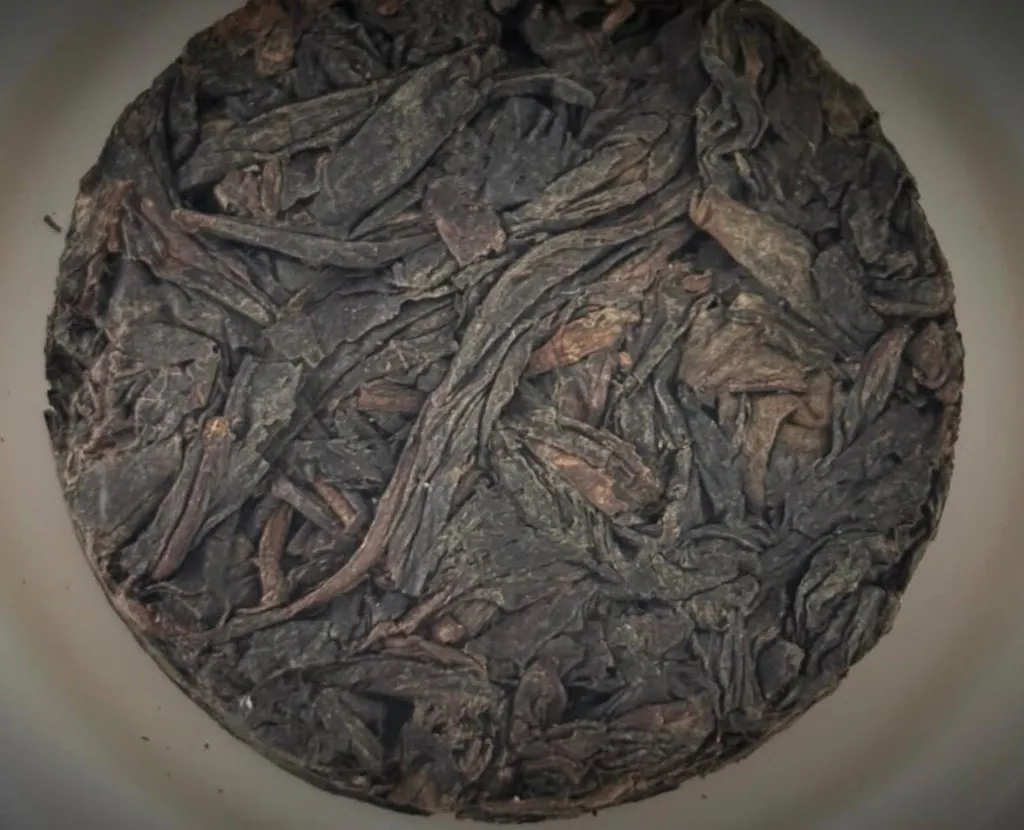
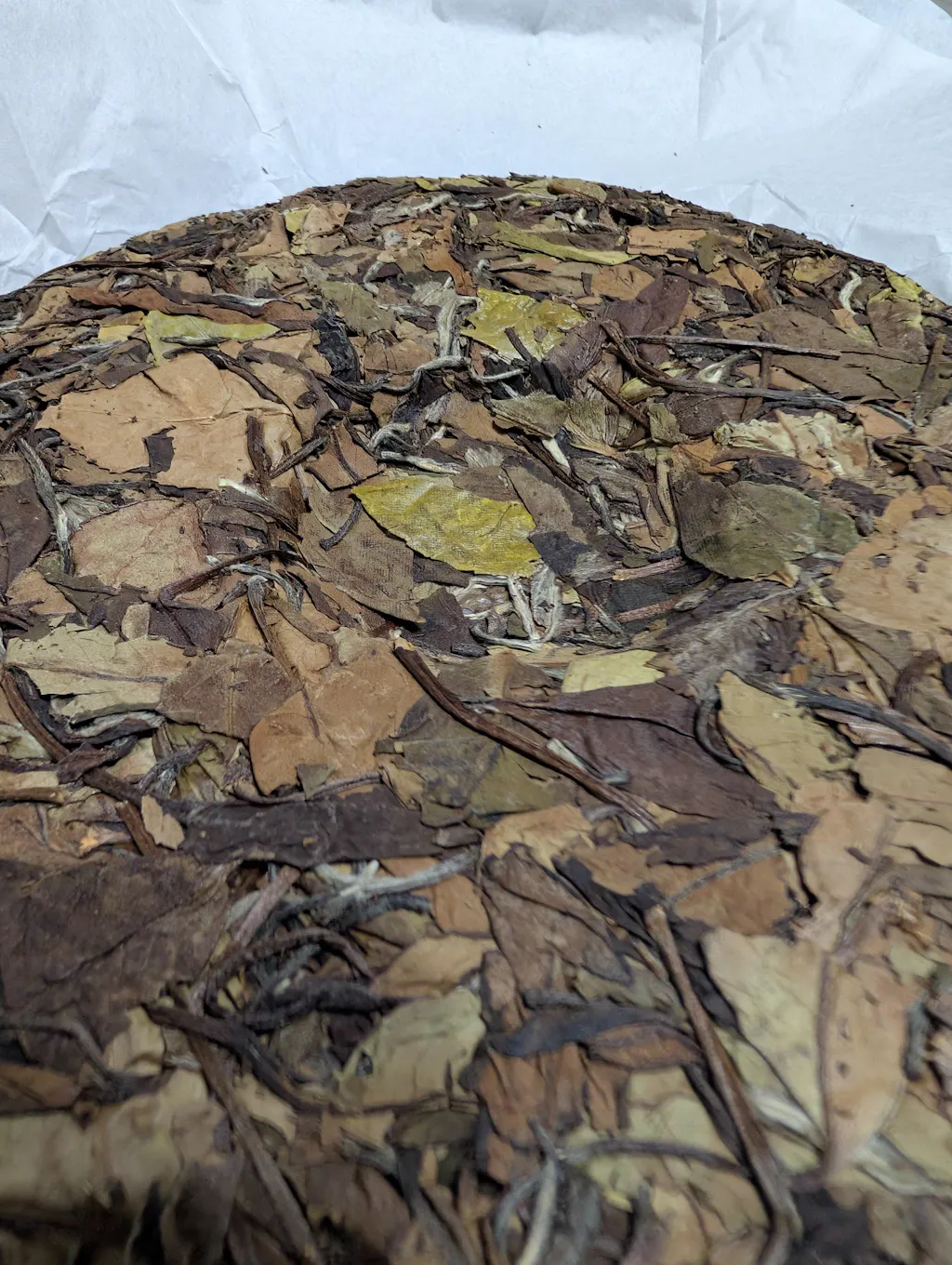
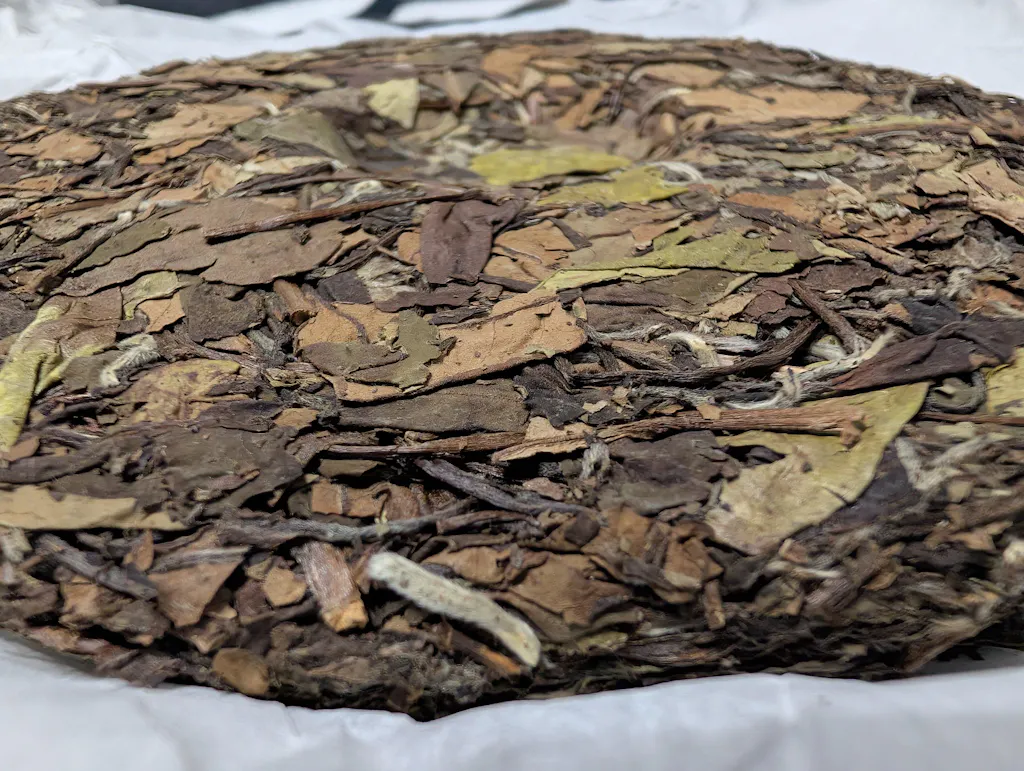
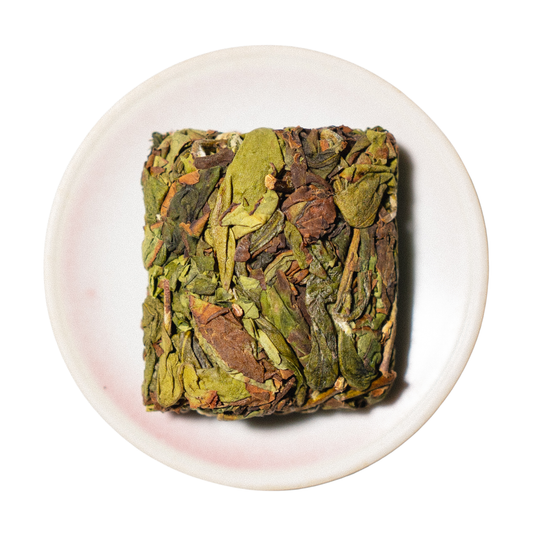
For the “Qing Xiang” style, the Zheng Family shakes the leaves more gently to create a lighter level of oxidation. This is how they preserve more of the Shui Xian cultivar’s fragrance and fresh character. They press the leaves into square tea cakes, then roast them at relatively low temperatures with lighter heat and a shorter roasting time to preserve the tea’s natural color and delicate aroma.

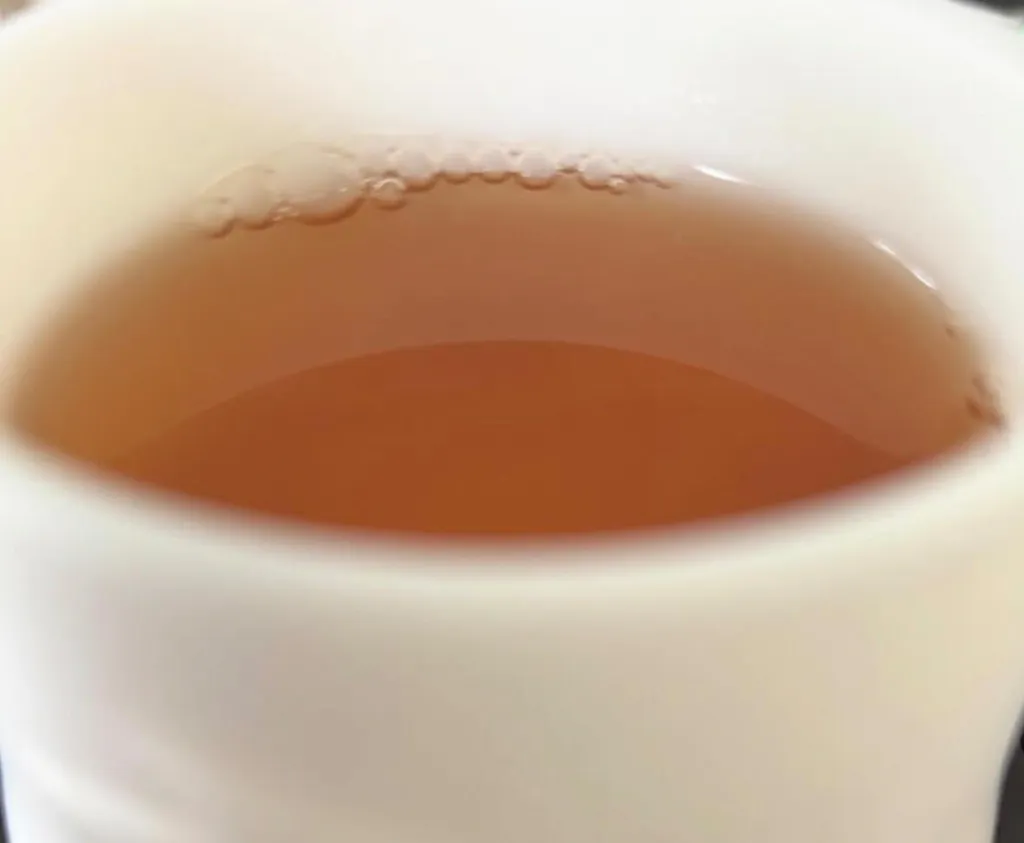
After brewing, the aroma brings together orchid floral notes and a soft, delicate creamy note. It feels smooth and mellow on the palate, with a gentle sweetness throughout. If you enjoy the orchid fragrance of Southern Fujian oolongs like Tie Guan Yin, you will likely enjoy this tea as well.
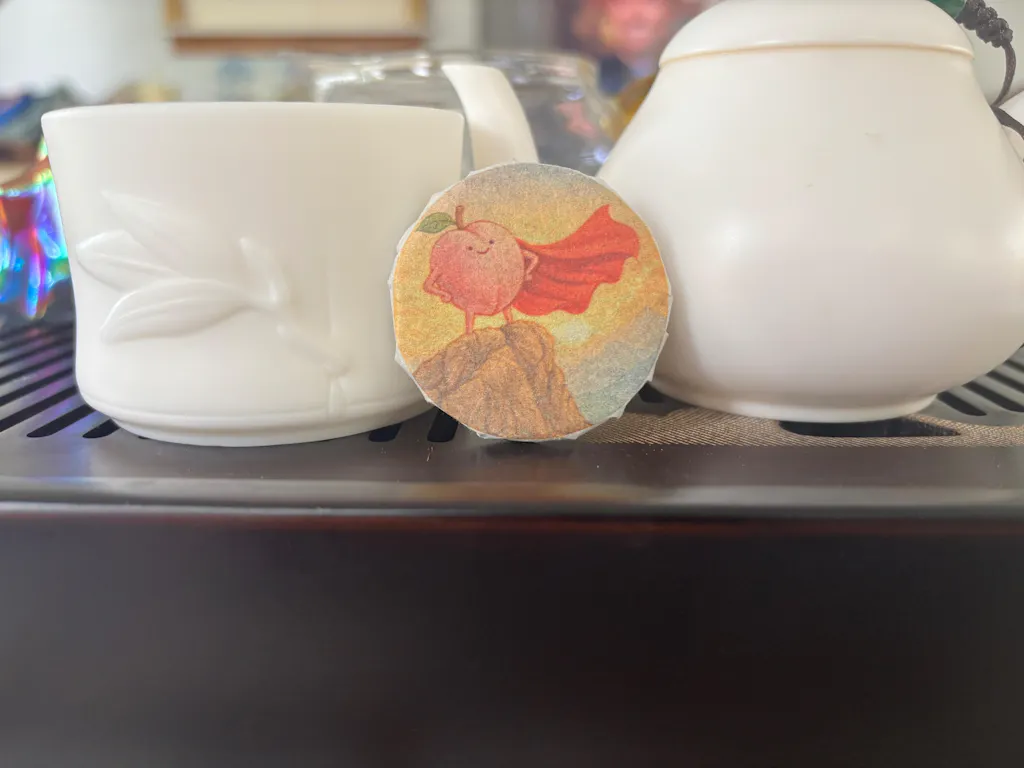
Why is Zhang Ping Shui Xian wrapped in paper?
In the final roasting stage, each tea brick is wrapped in paper before it is slowly roasted. The paper creates a buffer between the tea and the heat, helping keep charcoal scent from settling too directly into the leaves and allowing the tea’s floral character to stay clear.

This wrapping also has a practical purpose. Zhang Ping Shui Xian was historically made for export to Southeast Asia, and the paper helped protect the tea from moisture in the air. Once the leaves are pressed into compact bricks, the outer wrapping also helps them hold their shape, making them less likely to crumble during travel or everyday handling.
Processing: Zhang Ping Shui Xian vs. Wuyi Shui Xian

The processing of Zhang Ping Shui Xian shares some similarities with Wuyi rock tea. It follows the traditional steps of cǎi qīng (“plucking”), shài qīng (“sun withering”), zuò qīng (“leaf shaking and resting”), shā qīng (“killing green”), róu niǎn (“rolling the leaves”), zào xíng (“shaping”), and hōng bèi (“roasting”). Its yáo qīng (“leaf shaking”) method is based on northern Fujian oolong processing while also incorporating elements of southern Fujian oolong.
Tea: 10g (one brick)
Gaiwan: 120–150ml
Water Temperature: 100°C / 212°F
1st infusion: 15–20s, then discard as a rinse
2nd infusion: 20s
3rd–4th infusions: once the leaves have started to open up, steep each infusion for 10–15s
5th–7th infusions: 15–25s
After that: add 5–10s to each infusion as needed
Note: Be sure to pour out the tea soup completely after each infusion. Do not let it sit in the gaiwan.
(Adjust the tea amount and steeping time to suit your own taste.)