

Shui Jin Gui
Regular price
$16.00
Control humidity: Avoid storing tea in conditions that are either too dry or too humid.
Keep it cool: Store tea in a cool place away from direct sunlight and heat sources. Keep in mind that display cabinet lights can also produce heat.
Protect from light: Avoid using transparent containers whenever possible.
Limit exposure to air: Keep tea well sealed and avoid opening the container more often than necessary.
After we receive your order, we will process your package within 48 hours and hand it over to our international shipping partner. We will also send your tracking number by email. At this stage, tracking information may not be available yet.
Once the shipping partner receives the package, it usually takes 1–3 days (excluding Sundays) for them to process and dispatch it. Tracking information will begin to update after the package has been dispatched.
Delivery usually takes around 7–18 days from the date of dispatch.
If you run into issues while paying with PayPal, such as the page getting stuck while loading, it may be related to your network connection. Try switching to a different network or using another device. You can also try paying by credit card instead.

Wuyi Yancha is what our own family makes in Wuyishan, and it is the tea we work with most closely. We know the growing areas and tea plants firsthand, as well as the decisions that go into processing and roasting. For the small number of other teas we carry, we work with tea-making families we know personally and whose work we know well.

Wuyi Yancha carries the influence of where it is grown. Wuyishan has a particular growing environment shaped by its rocky terrain, soil, climate, sunlight, and moisture, and these conditions are an important part of what makes Wuyi Yancha what it is. Together with cultivar, processing, and roasting, they all play a part in the aroma, texture, and overall character of the finished tea.

We try to keep the information about our teas simple and clear. We share where each tea comes from, what tea plant it is made from, and how it was processed and roasted, so you have a clear idea of what you're drinking.
Click to learn more about our roast levels
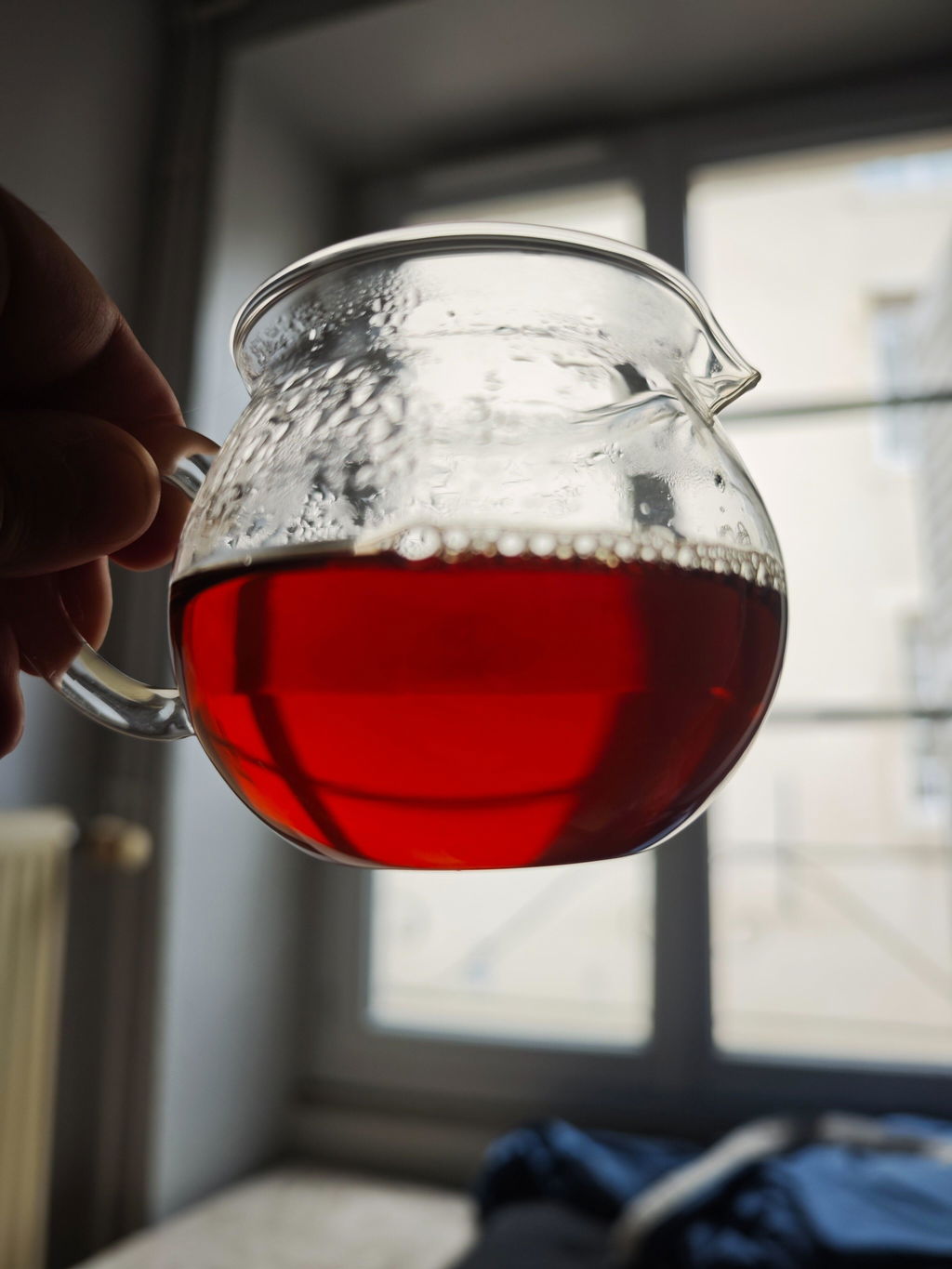
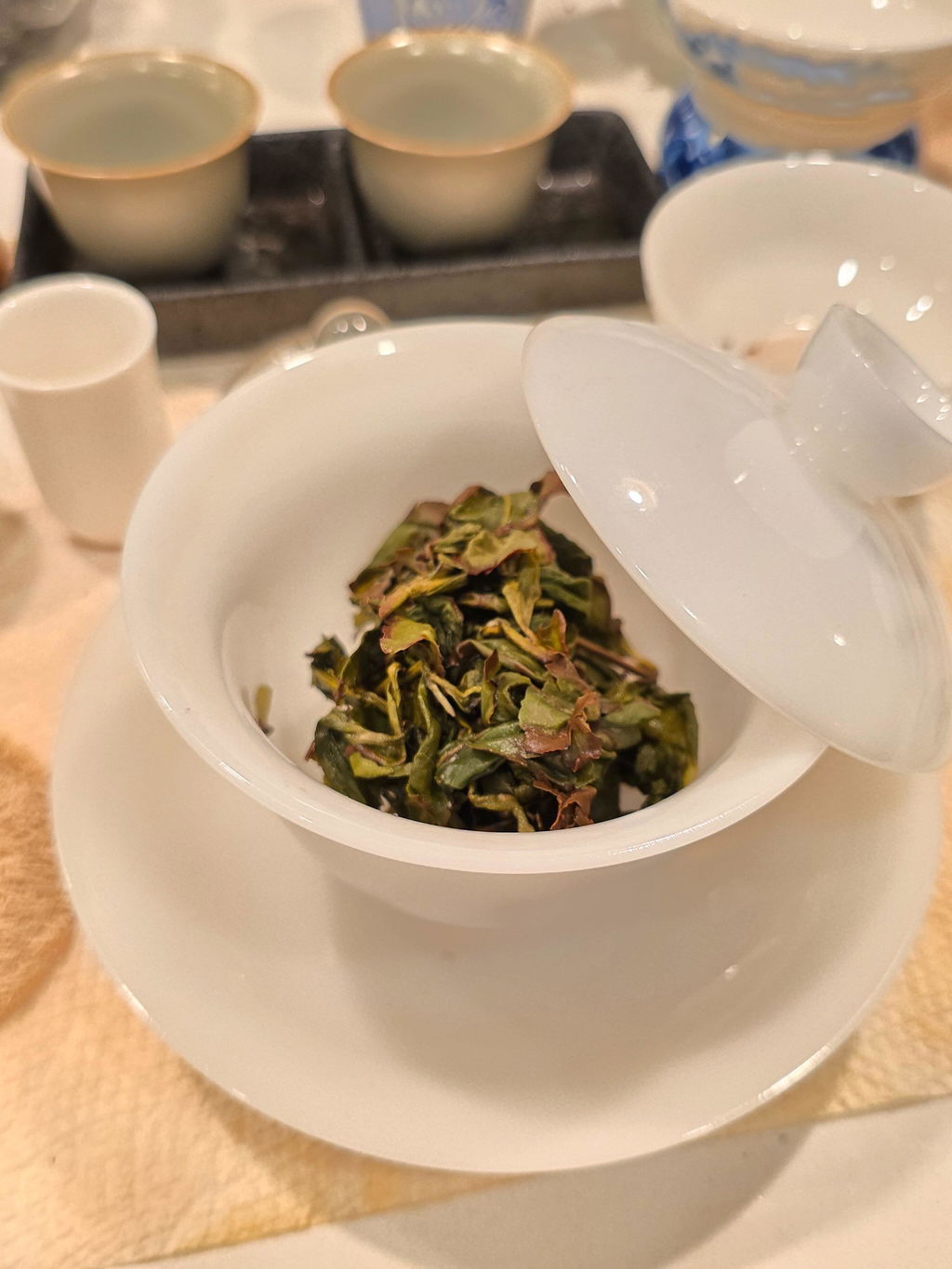
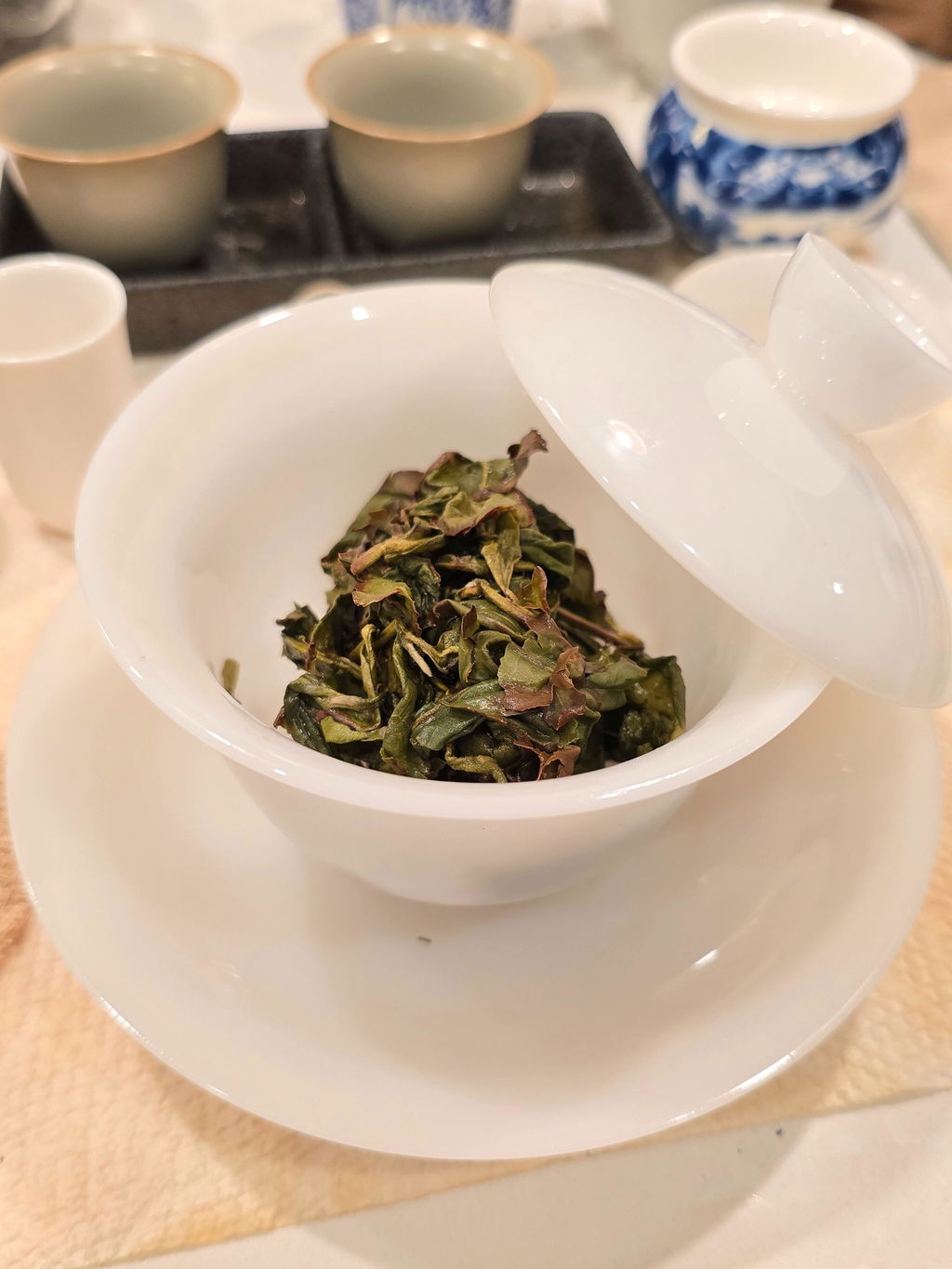
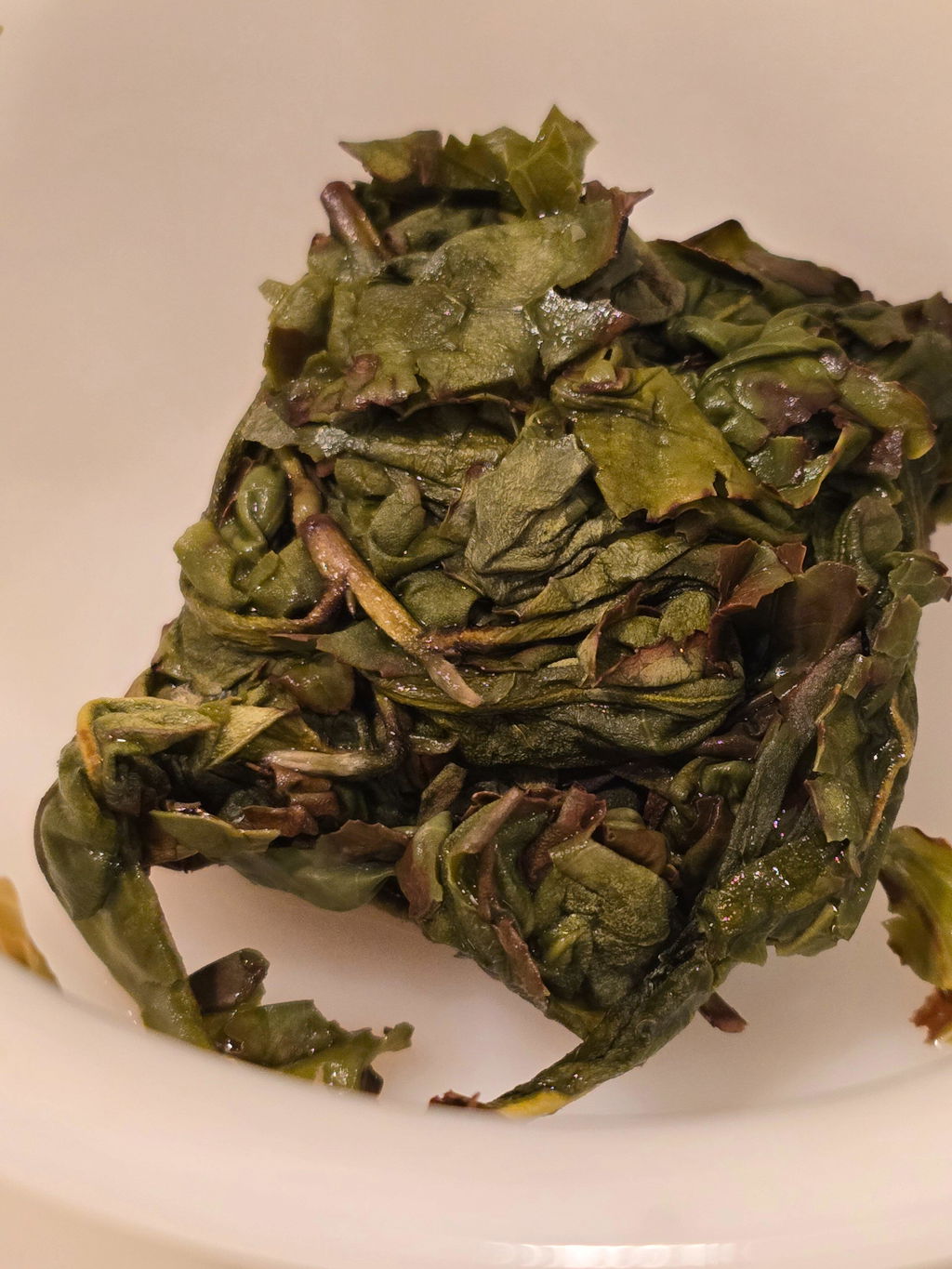
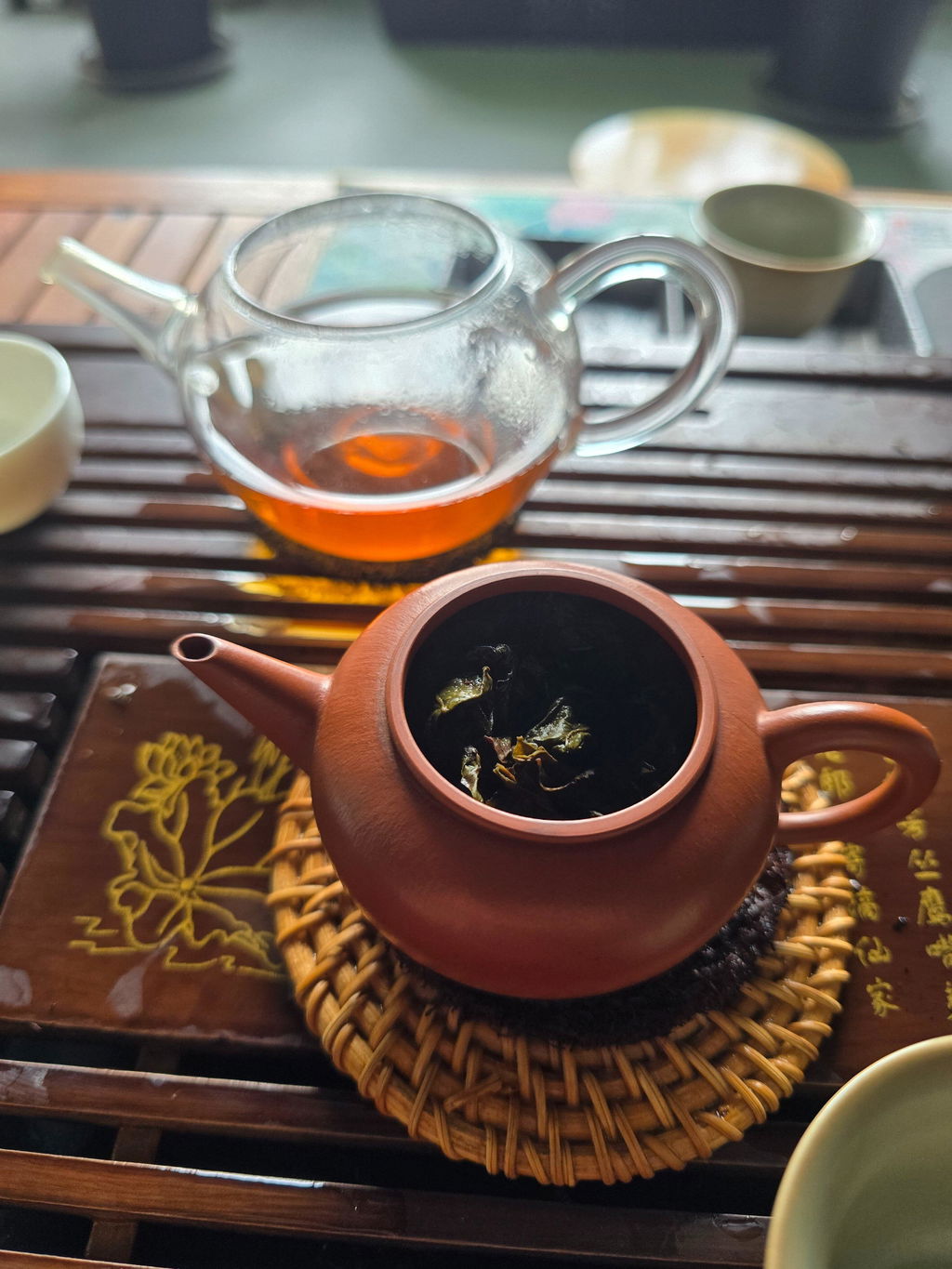
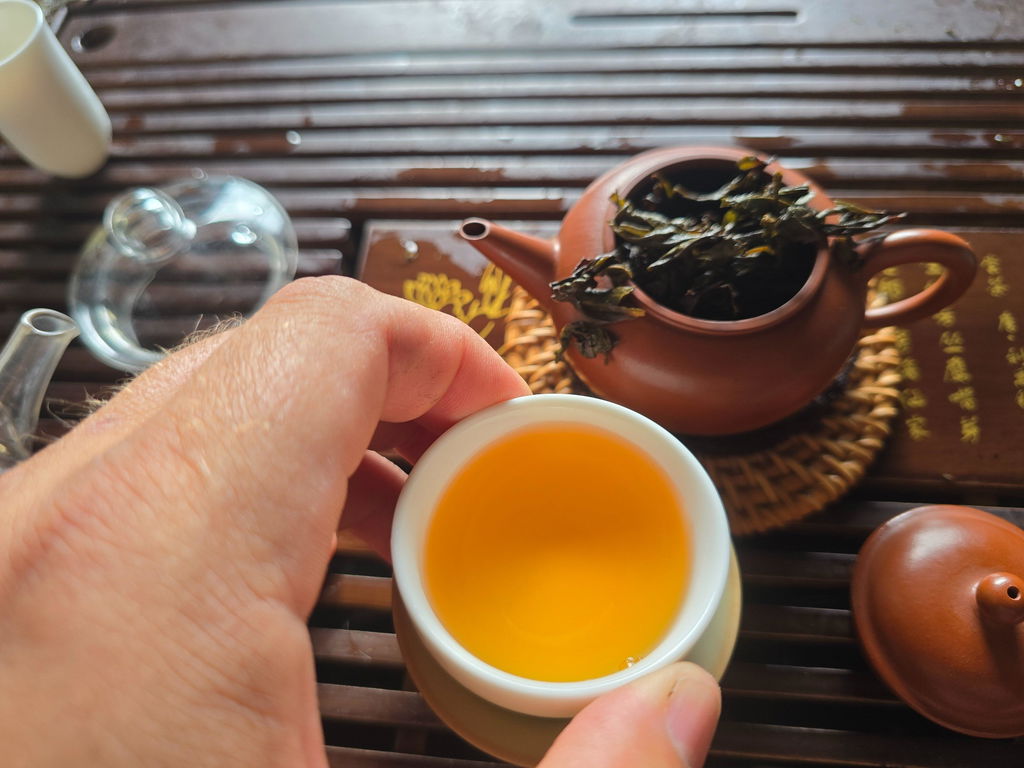
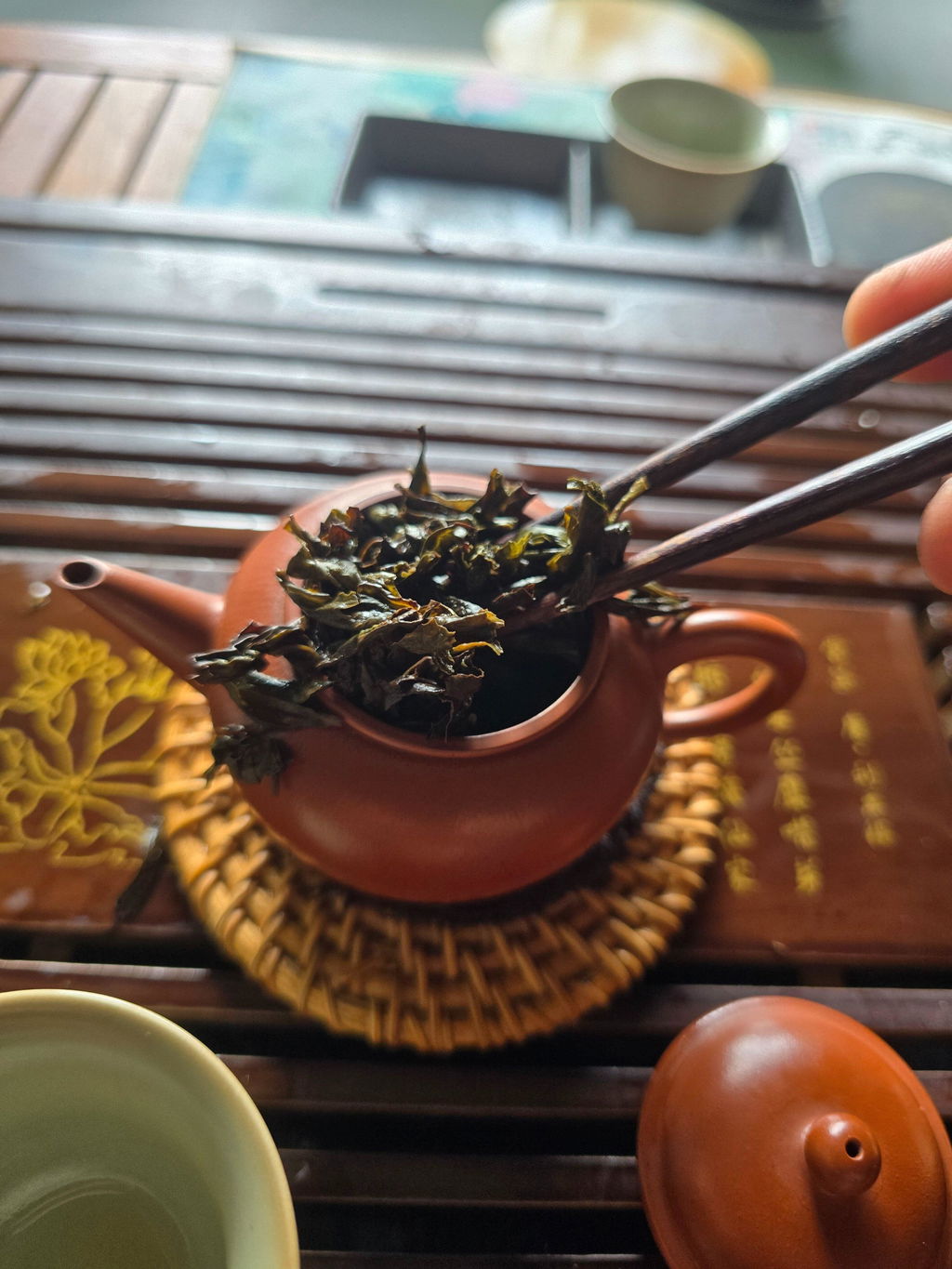
We charcoal roasted this Shui Jin Gui to a medium-light level to preserve its natural floral lift while drawing out gentle fruit sweetness and a light caramel warmth. This approach allows it to remain aromatic and expressive while gaining a smoother, more rounded body. In the cup, it opens with bright floral fragrance, followed by gentle fruit sweetness, a touch of caramel warmth, and a clean, rounded finish.
Why It’s Called Shui Jin Gui

Shui Jin Gui takes its name from both appearance and habitat. Jin Gui, or “Golden Turtle,” refers to the yellow-green sheen of its leaves in sunlight, which resembles the glossy pattern of a turtle shell. Shui, meaning “water,” points to the moist cliffside environment where this cultivar prefers to grow.
The Legend of Shui Jin Gui
In the late Qing period (mid to late 19th century), the original Shui Jin Gui tea bush was said to have grown on a cliff at Du Ge Zhai Peak (杜葛寨峰 dù gé zhài fēng), land belonging to Tianxin Temple (天心寺 tiān xīn sì). One day, after a sudden storm, part of the mountainside collapsed, and the tea bush was washed down to the area near Lan Gu Rock (兰谷岩 lán gǔ yán) in Niulan Gully (牛栏坑 niú lán kēng). When local tea farmers found it, they saw it as a gift from heaven and carefully replanted it by carving into the rock and building up the soil around it.
When the monks of Tianxin Temple learned what had happened, they claimed the bush still belonged to the temple. What followed was a long dispute that continued into the early Republican period, with both sides spending heavily over the fate of a tea plant. In the end, the authorities ruled that because the bush had been moved by natural forces rather than stolen by human hands, it should belong to the place where it was found. The case became one of the most talked-about tea stories of its time.

When the scholar Shi Leng (施棱) heard of the matter, he was deeply astonished by the fact that both sides had spent so many years and so much money fighting over a single tea bush. In response, he inscribed the four characters “不可思议” (“bù kě sī yì”, meaning “Extraordinary”, the inscription reflects not only astonishment at the decades-long legal dispute over a single tea tree, but also the tree’s exceptional value) on the cliff face in the middle section of Niulan Gully, adding his name beneath them. With its poised and elegant calligraphy, the inscription has remained one of Wuyishan’s notable cliff carvings to this day.
Tea: 8g
Gaiwan: 110–150ml
Water Temperature: 100°C / 212°F
(When possible, use filtered water, spring water, or good-quality mineral water. Water that is too hard may affect the taste of the tea.)
For the first few steeps, use quick infusions of about 3 seconds to avoid oversteeping. As the flavor begins to fade, you can gradually extend the steeping time.
Note: After each infusion, try to pour out all the tea liquor so none is left at the bottom of the gaiwan.
Also, feel free to find what works best for you.