

Lao Shu Rou Gui
Regular price
$28.00
Control humidity: Avoid storing tea in conditions that are either too dry or too humid.
Keep it cool: Store tea in a cool place away from direct sunlight and heat sources. Keep in mind that display cabinet lights can also produce heat.
Protect from light: Avoid using transparent containers whenever possible.
Limit exposure to air: Keep tea well sealed and avoid opening the container more often than necessary.
After we receive your order, we will process your package within 48 hours and hand it over to our international shipping partner. We will also send your tracking number by email. At this stage, tracking information may not be available yet.
Once the shipping partner receives the package, it usually takes 1–3 days (excluding Sundays) for them to process and dispatch it. Tracking information will begin to update after the package has been dispatched.
Delivery usually takes around 7–18 days from the date of dispatch.
If you run into issues while paying with PayPal, such as the page getting stuck while loading, it may be related to your network connection. Try switching to a different network or using another device. You can also try paying by credit card instead.

Wuyi Yancha is what our own family makes in Wuyishan, and it is the tea we work with most closely. We know the growing areas and tea plants firsthand, as well as the decisions that go into processing and roasting. For the small number of other teas we carry, we work with tea-making families we know personally and whose work we know well.

Wuyi Yancha carries the influence of where it is grown. Wuyishan has a particular growing environment shaped by its rocky terrain, soil, climate, sunlight, and moisture, and these conditions are an important part of what makes Wuyi Yancha what it is. Together with cultivar, processing, and roasting, they all play a part in the aroma, texture, and overall character of the finished tea.

We try to keep the information about our teas simple and clear. We share where each tea comes from, what tea plant it is made from, and how it was processed and roasted, so you have a clear idea of what you're drinking.
Click to learn more about our roast levels
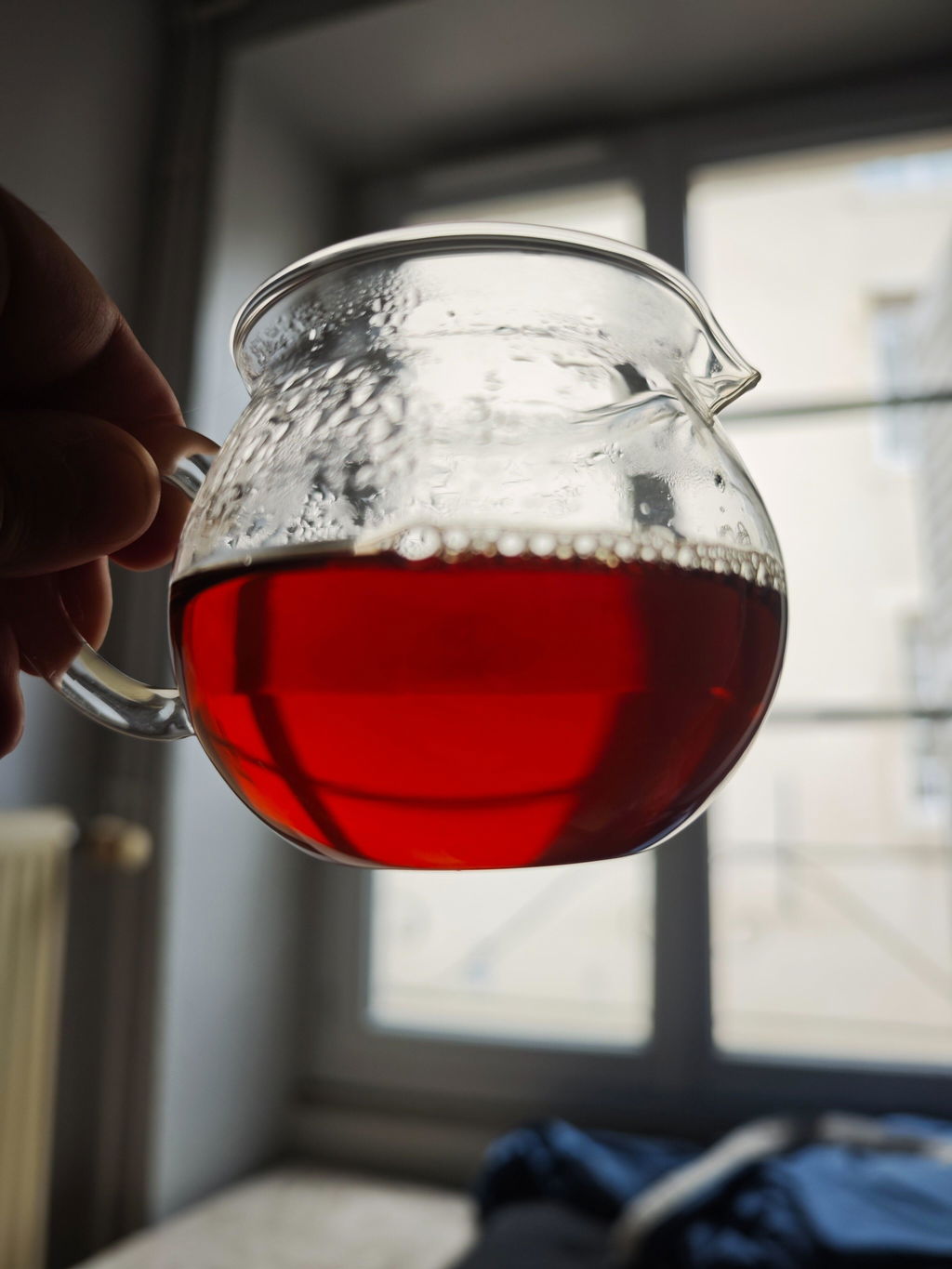
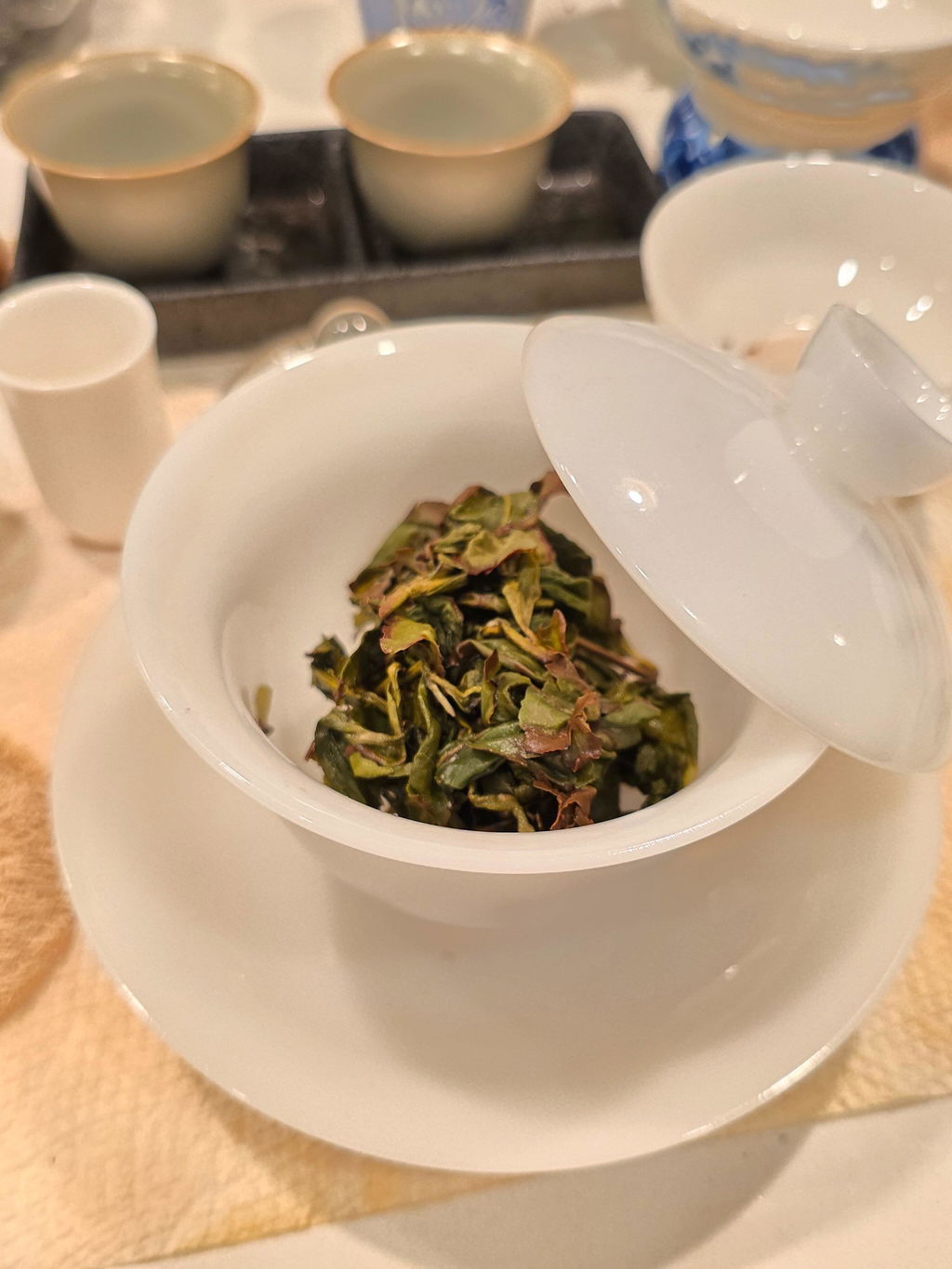
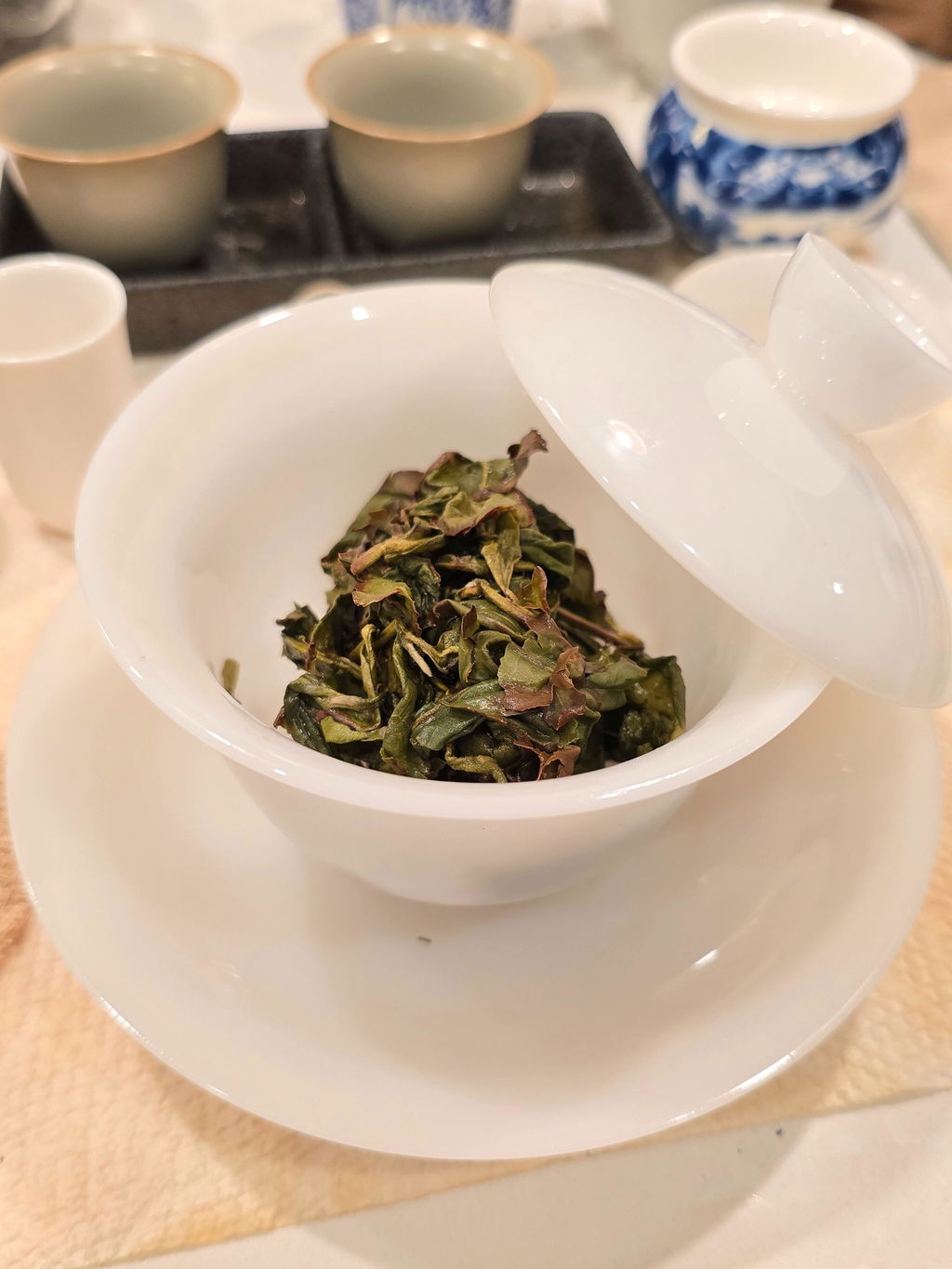
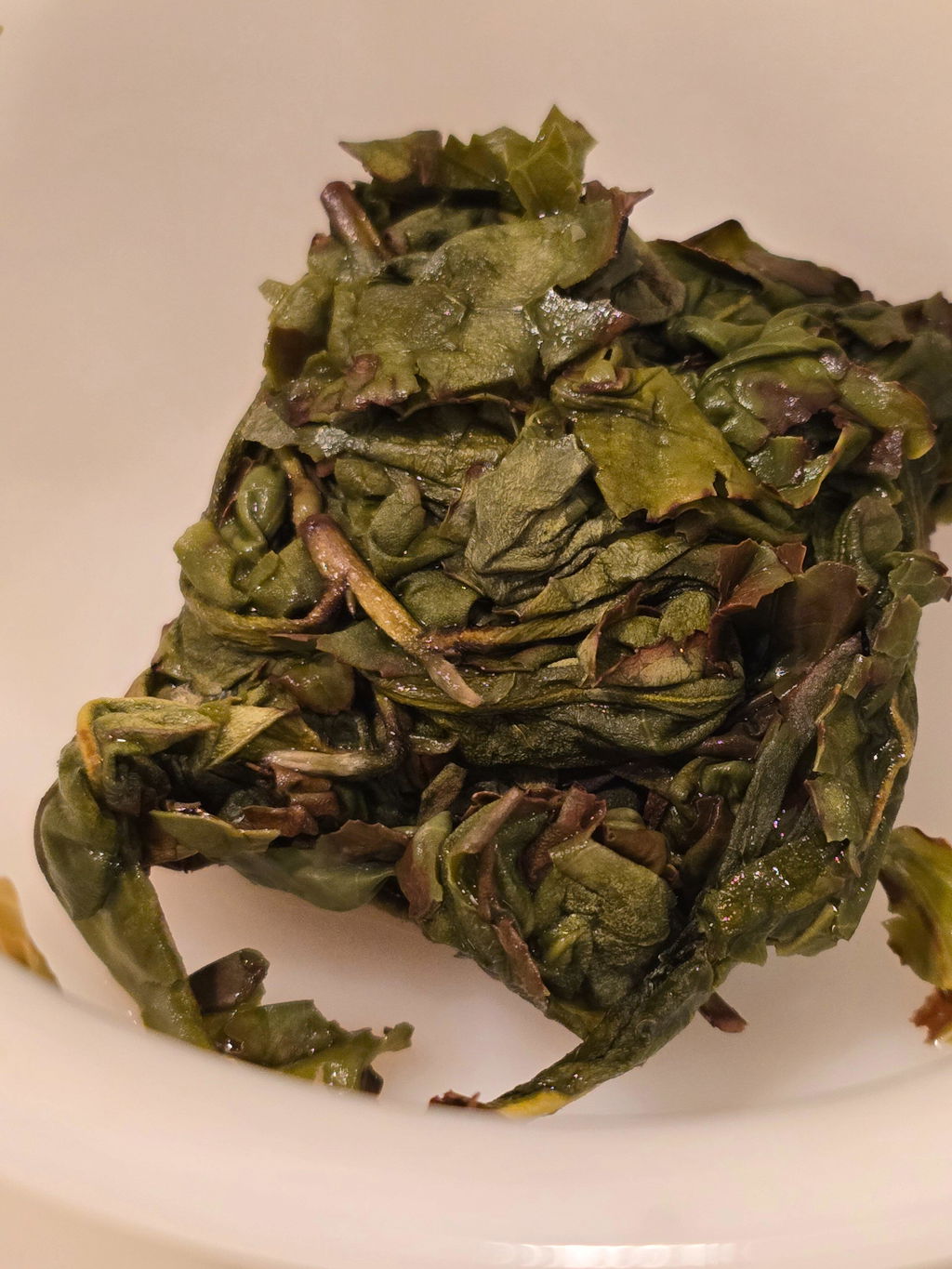
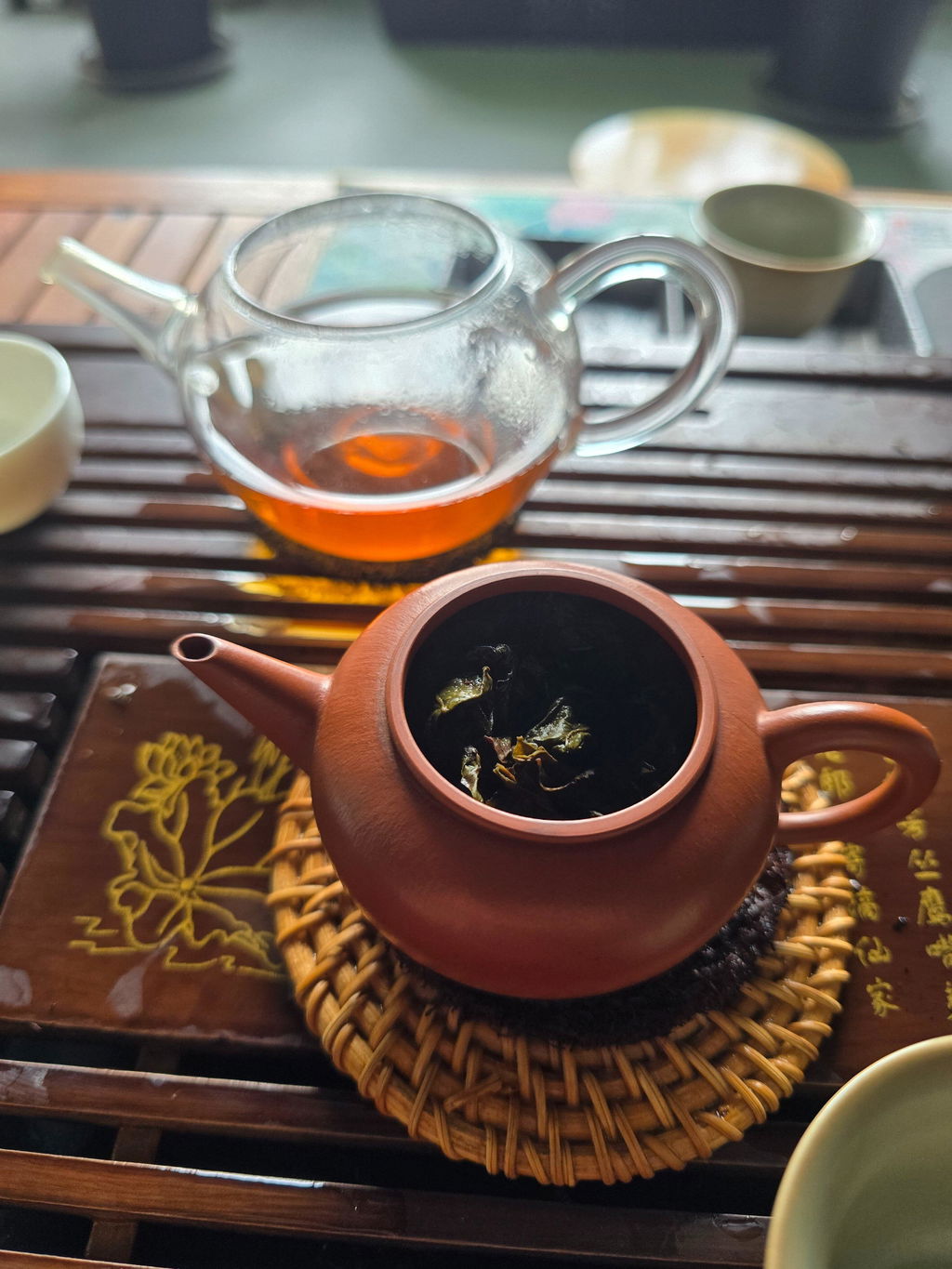
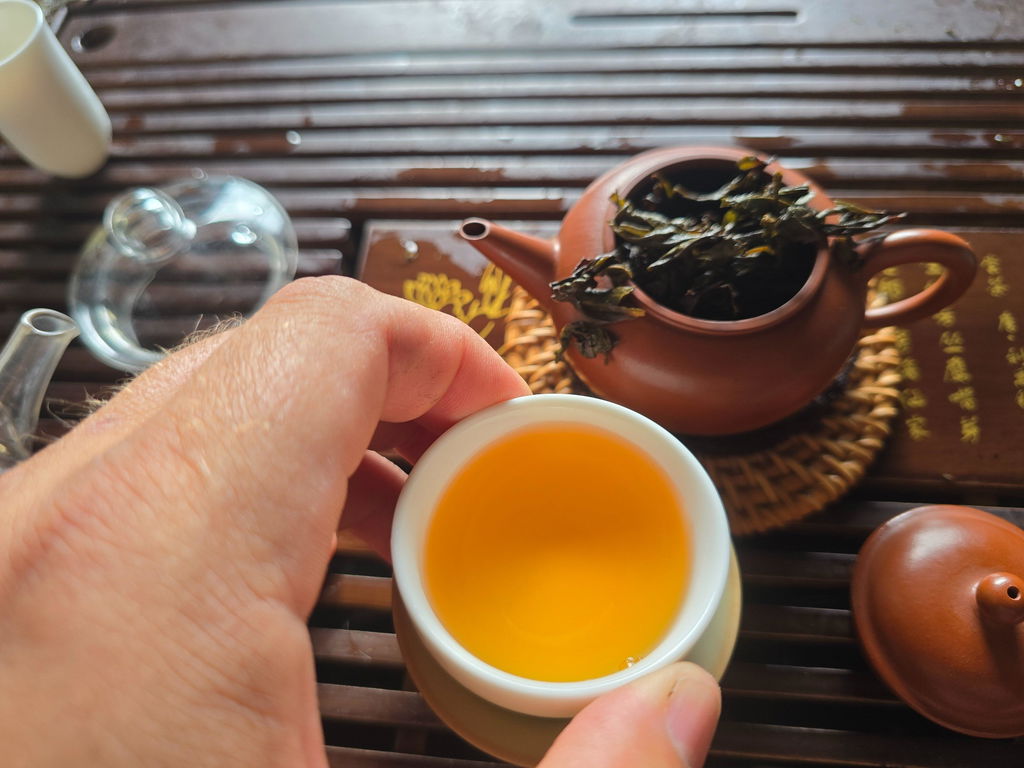
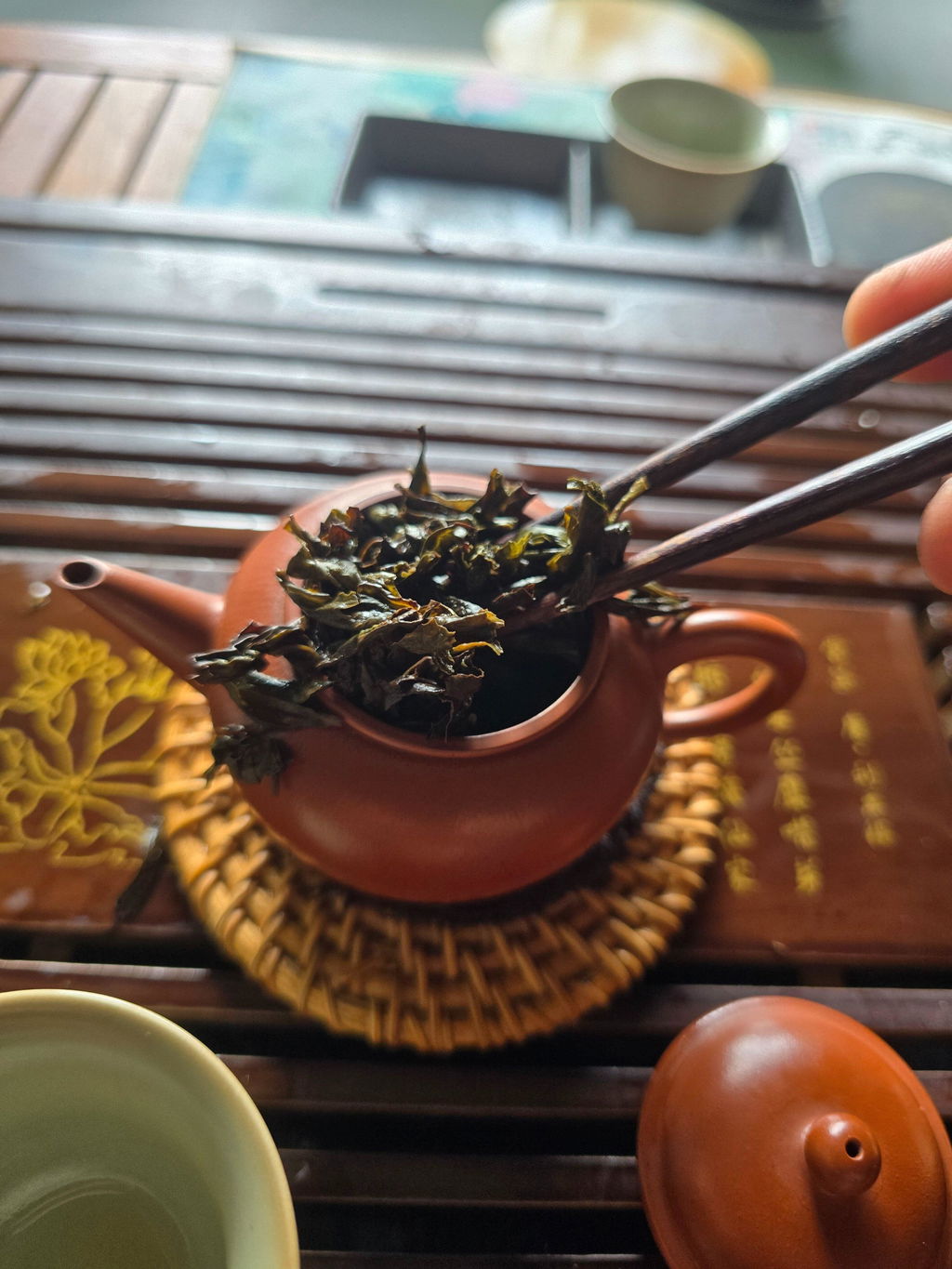
Compared with younger Rou Gui, this 30-year-old planting shows a quieter, more settled side of the cultivar. The sharp, stimulating edge of its cinnamon note softens into something gentler and more rounded, while the liquor becomes finer and more mellow in texture. What makes this tea distinctive is what happens after you swallow. A slow herbal note begins to unfold in the mouth, especially deep in the throat, followed by a cooling sensation, a subtle mineral savoriness, and a lasting sweetness.
Why lǎo shù (“old tree”, “老树”) instead of lǎo cóng (“old bush”, “老枞”)?
In the context of Wuyi yancha, lǎo cóng (“old bush”, “老枞”) is generally used for arbor-type tea plants that are more than 60 years old. Rou Gui is different. It is a shrub cultivar, lower in growth, with finer branches and a more limited lifespan than arbor-type teas such as Shui Xian. Once Rou Gui passes around 40 years, the plants usually begin to decline, their aromatic intensity weakens, and replanting often becomes necessary over time. That is why it is described as lǎo shù (“old tree”, “老树”).
Tea: 8g
Gaiwan: 110–150ml
Water Temperature: 100°C / 212°F
(When possible, use filtered water, spring water, or good-quality mineral water. Water that is too hard may affect the taste of the tea.)
For the first few steeps, use quick infusions of about 3 seconds to avoid oversteeping. As the flavor begins to fade, you can gradually extend the steeping time.
Note: After each infusion, try to pour out all the tea liquor so none is left at the bottom of the gaiwan.
Also, feel free to find what works best for you.