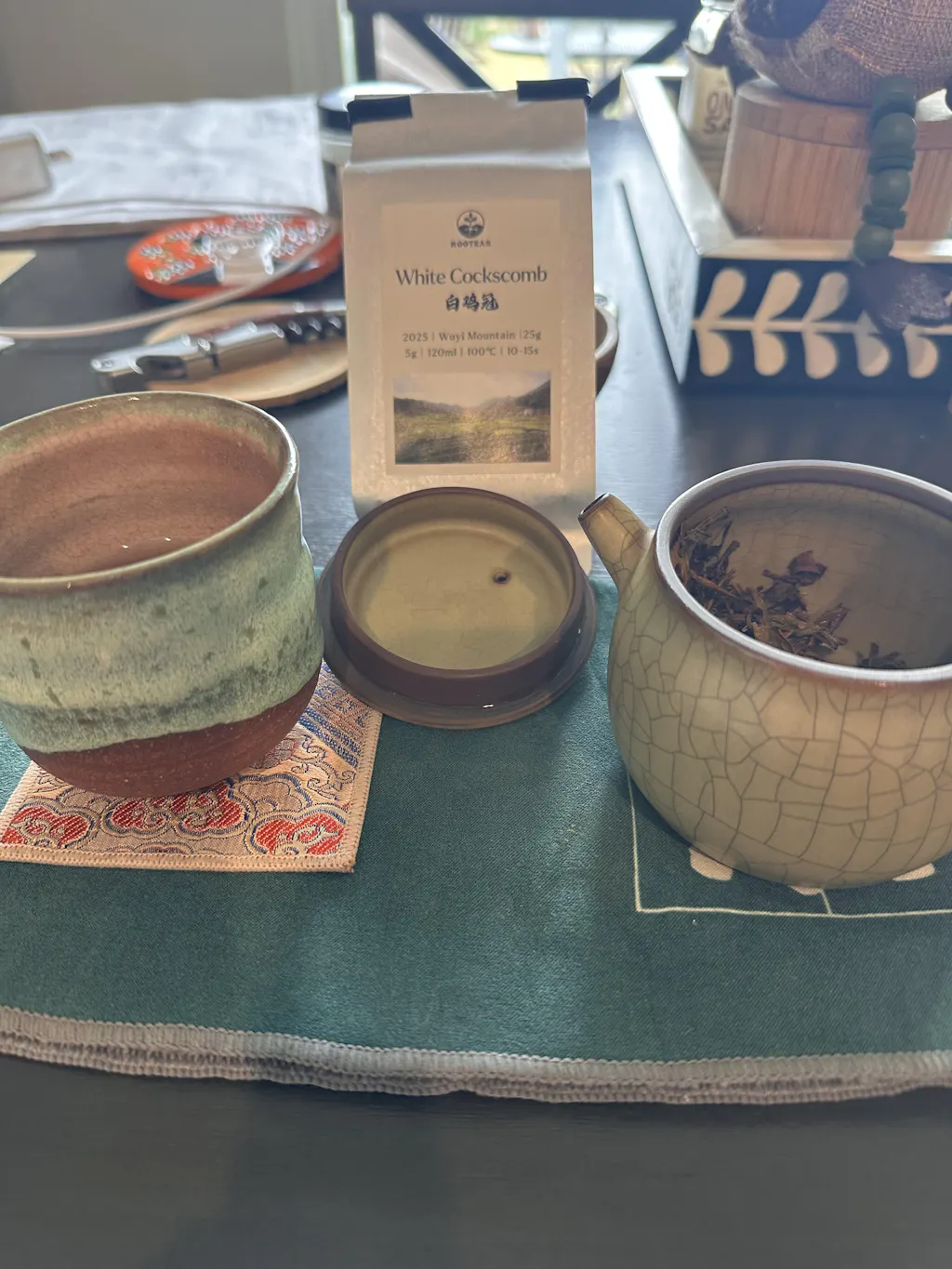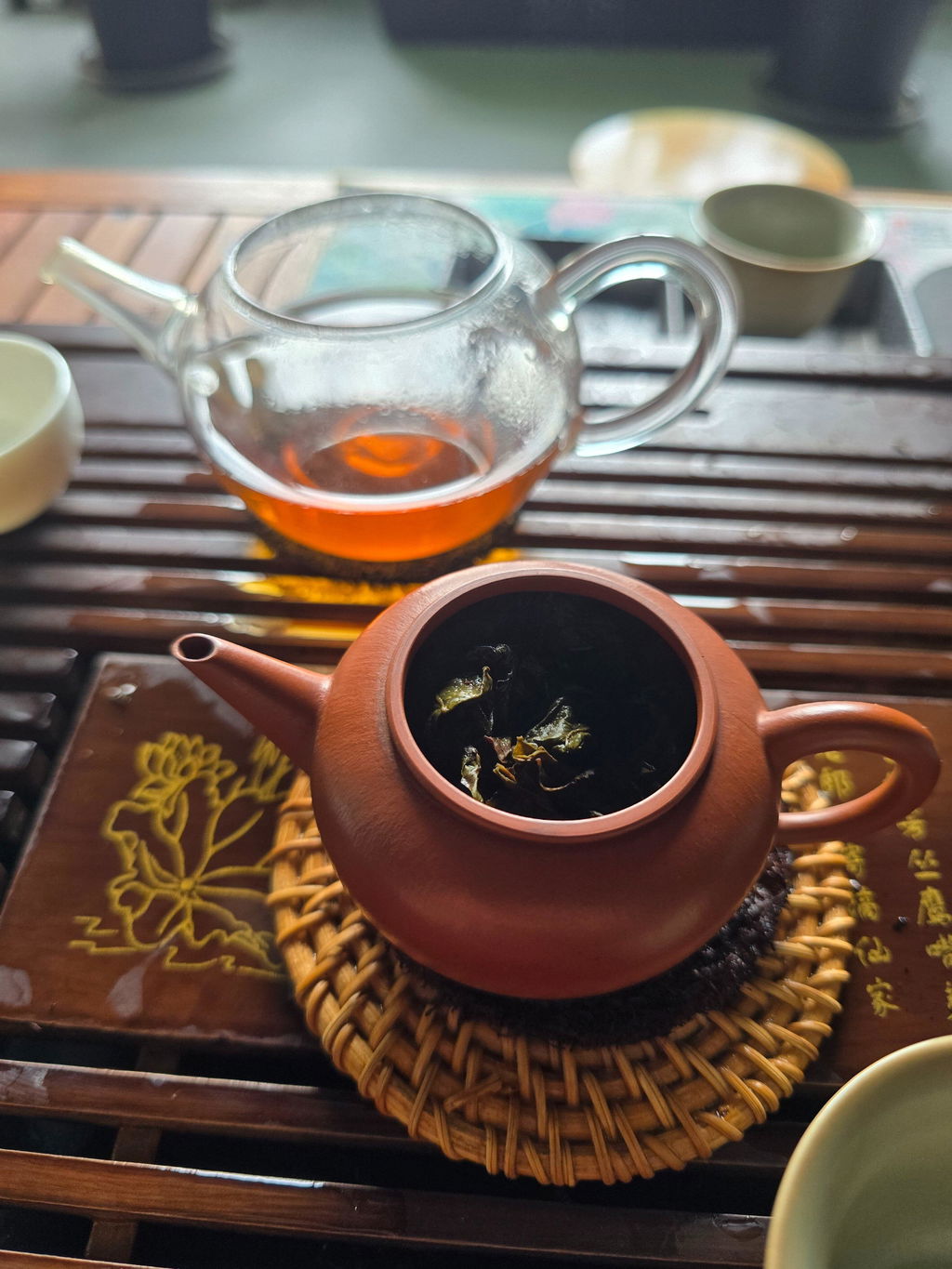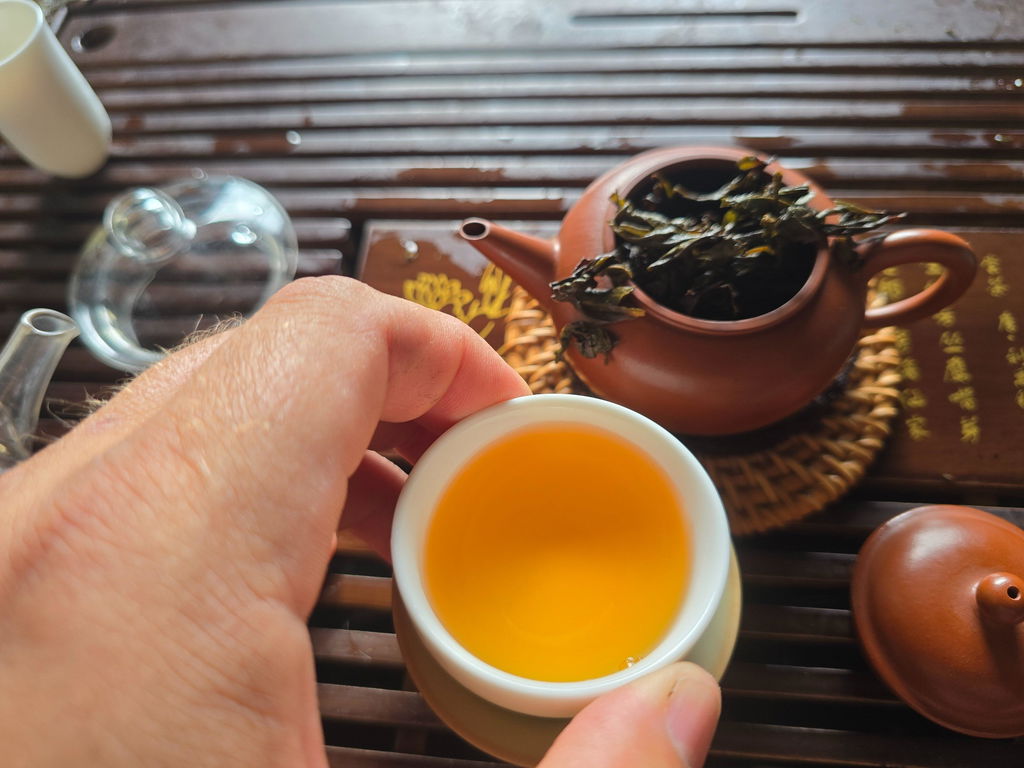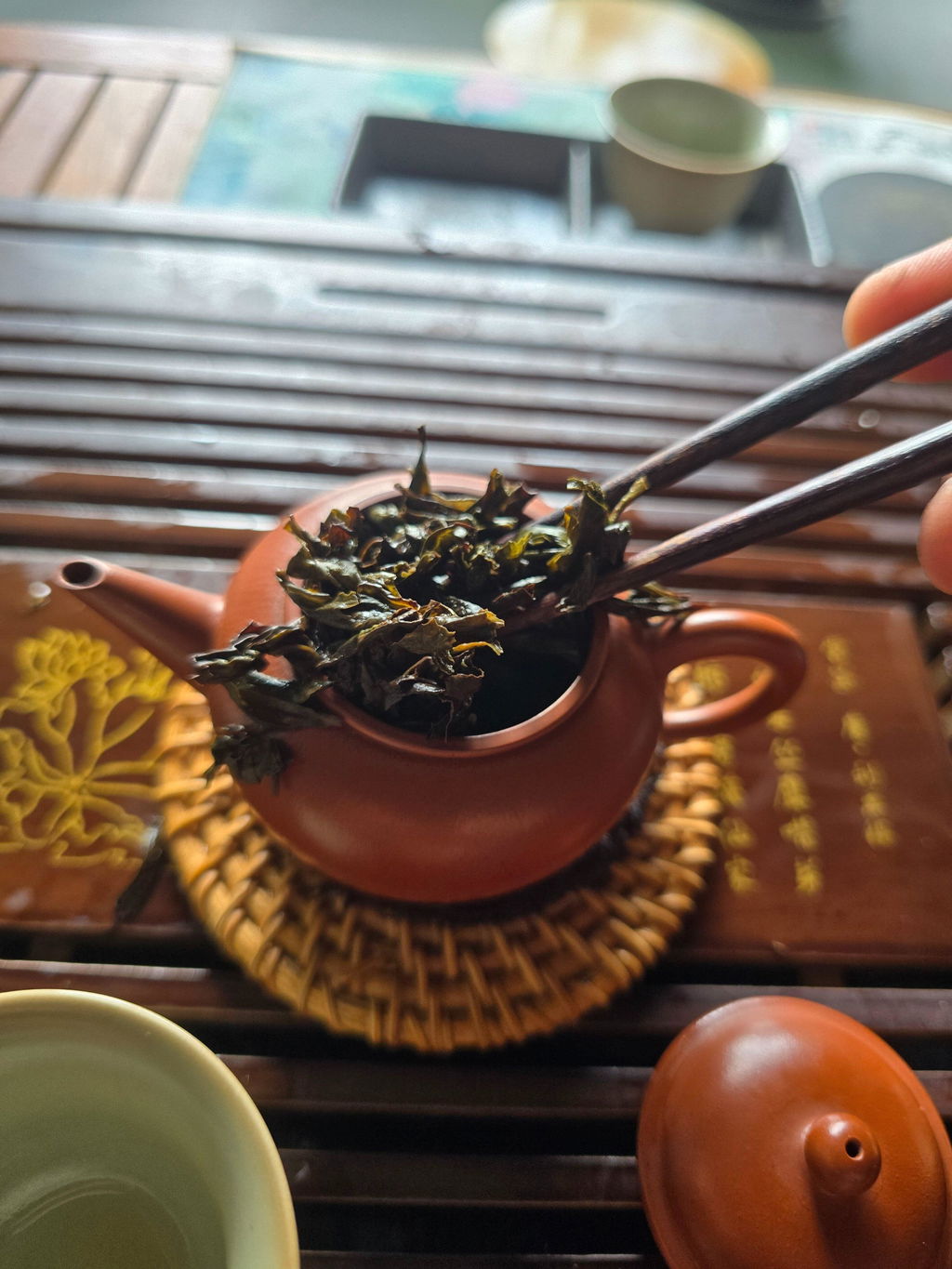


Bai Ji Guan
Regular price
$18.00
Control humidity: Avoid storing tea in conditions that are either too dry or too humid.
Keep it cool: Store tea in a cool place away from direct sunlight and heat sources. Keep in mind that display cabinet lights can also produce heat.
Protect from light: Avoid using transparent containers whenever possible.
Limit exposure to air: Keep tea well sealed and avoid opening the container more often than necessary.
After we receive your order, we will process your package within 48 hours and hand it over to our international shipping partner. We will also send your tracking number by email. At this stage, tracking information may not be available yet.
Once the shipping partner receives the package, it usually takes 1–3 days (excluding Sundays) for them to process and dispatch it. Tracking information will begin to update after the package has been dispatched.
Delivery usually takes around 7–18 days from the date of dispatch.
If you run into issues while paying with PayPal, such as the page getting stuck while loading, it may be related to your network connection. Try switching to a different network or using another device. You can also try paying by credit card instead.

Wuyi Yancha is what our own family makes in Wuyishan, and it is the tea we work with most closely. We know the growing areas and tea plants firsthand, as well as the decisions that go into processing and roasting. For the small number of other teas we carry, we work with tea-making families we know personally and whose work we know well.

Wuyi Yancha carries the influence of where it is grown. Wuyishan has a particular growing environment shaped by its rocky terrain, soil, climate, sunlight, and moisture, and these conditions are an important part of what makes Wuyi Yancha what it is. Together with cultivar, processing, and roasting, they all play a part in the aroma, texture, and overall character of the finished tea.

We try to keep the information about our teas simple and clear. We share where each tea comes from, what tea plant it is made from, and how it was processed and roasted, so you have a clear idea of what you're drinking.
Click to learn more about our roast levels
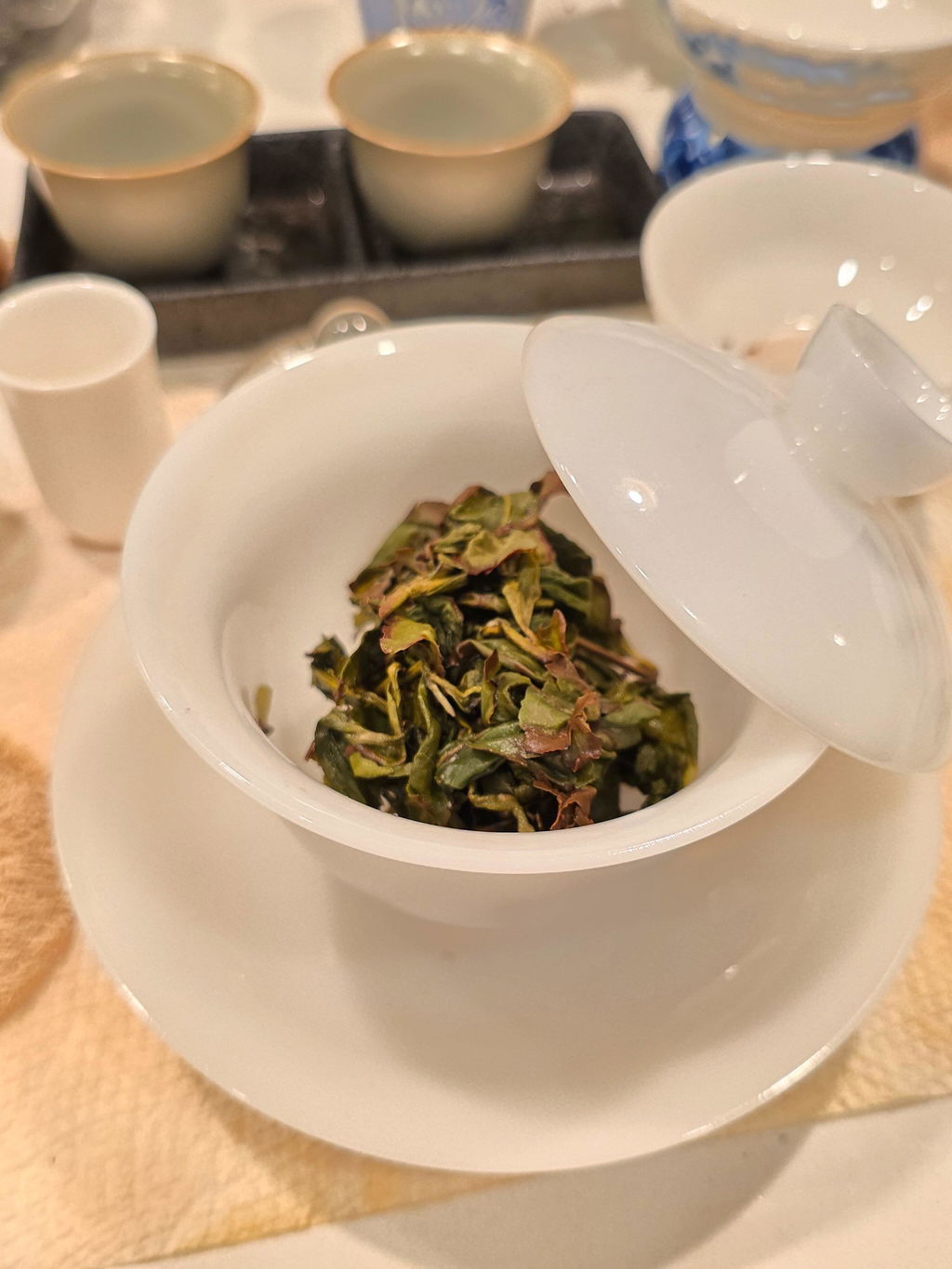
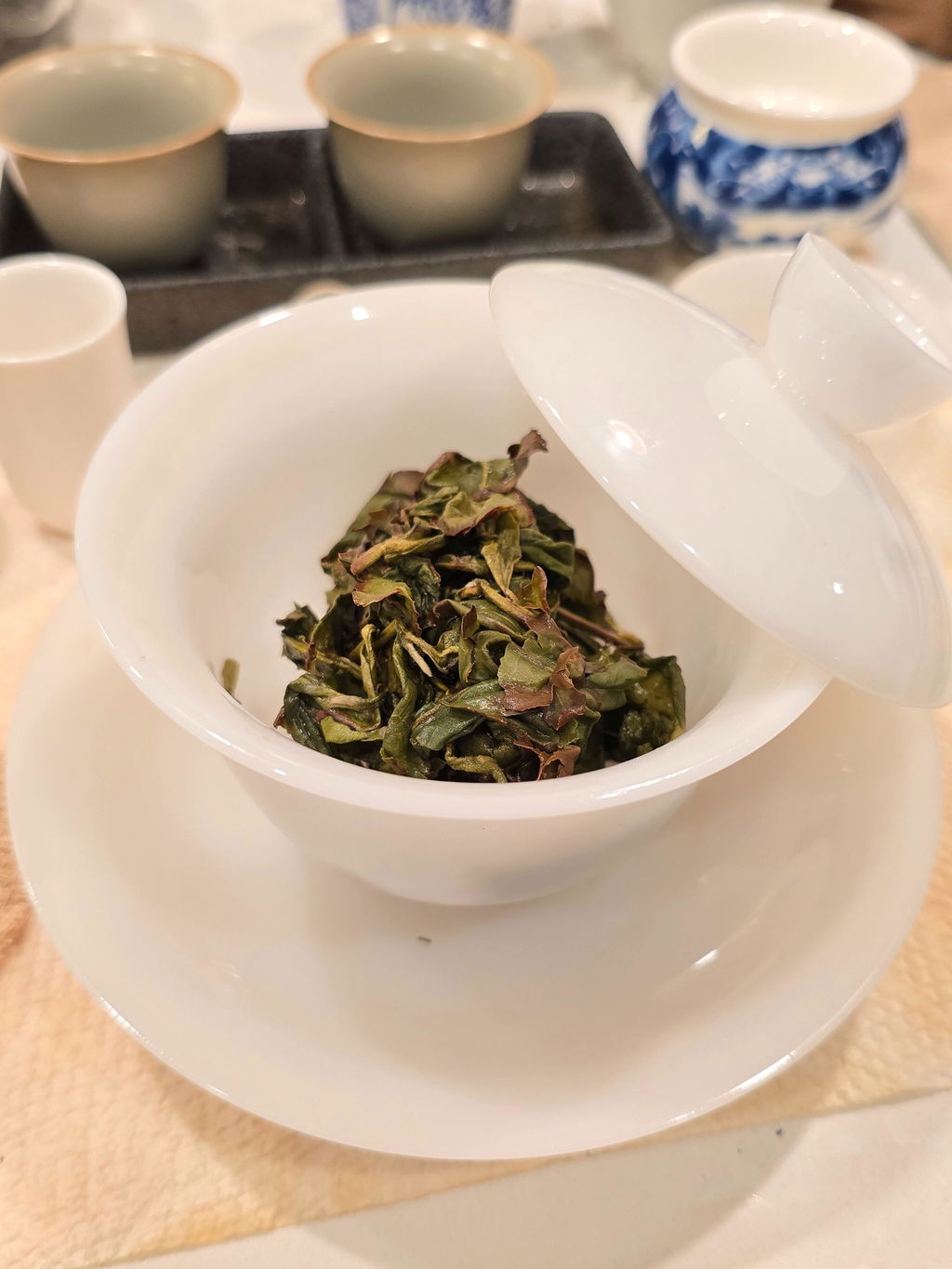
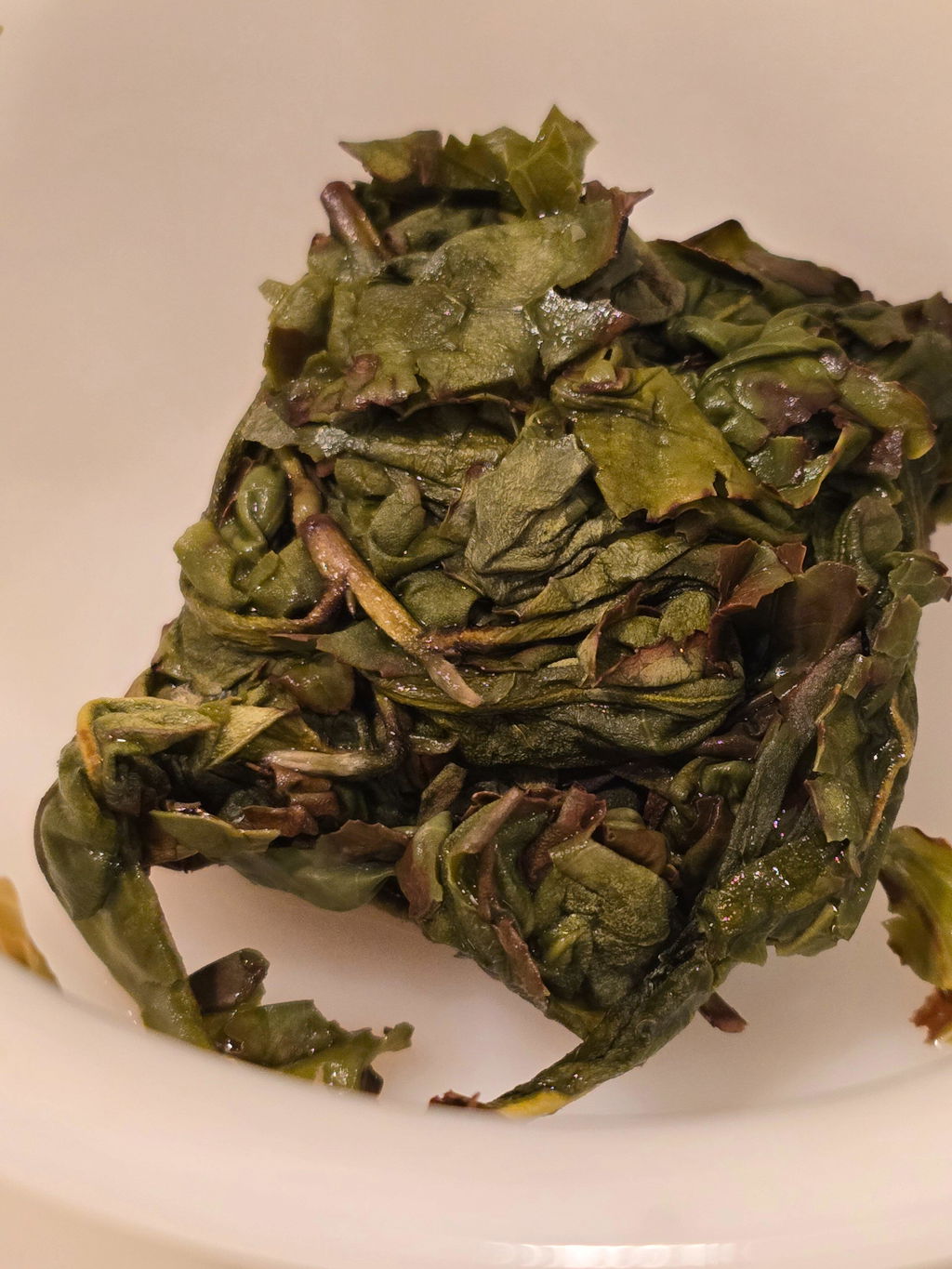
Bai Ji Guan is a rare albino cultivar among Wuyi yancha. Its leaves are thin and delicate, with higher levels of theanine and volatile aromatic compounds than more common tea cultivars, which makes it especially sensitive to roasting temperature. To preserve its honeysuckle aroma, corn silk sweetness, and fresh, sweet character, we roast it slowly over a light fire. This gentler approach helps protect the tea’s delicate aromatics and lively sweetness, resulting in a cup that feels clean and softly sweet.
A Unique Albino Tea Cultivar
Bai Ji Guan is one of the albino tea cultivars in Wuyishan. It is a light-sensitive variety, with stronger sunlight causing the leaves to appear more white-yellow in color. The main reason for this is that intense light suppresses chlorophyll synthesis, causing the young leaves to take on a pale yellow-white appearance.

This albino trait is controlled by a dominant single gene, making it a stable and heritable genetic characteristic rather than an accidental mutation. Under strong light conditions, the expression of genes related to the photosynthetic system is inhibited, and chloroplast development becomes abnormal, further affecting the formation of chlorophyll and carotenoids.

As the leaves mature, or as light intensity softens, the leaves gradually return to green. This shows that Bai Ji Guan’s albinism is not fixed in appearance, but a reversible physiological response shaped by growing conditions. This unusual trait also influences the tea’s chemical profile. With relatively higher levels of theanine and lower levels of tea polyphenols, Bai Ji Guan often produces a liquor that feels especially fresh, delicate, and gently sweet.
The Legend of Bi Ji Guan
Once, many years ago, a tea farmer in Wuyi set out to visit his father-in-law for his birthday. The tea farmer brought a large rooster as a present from his home, one of the best he had.
However, that day, the sun was particularly hot. The higher and higher he climbed, the more he sweated and perspired. When he reached a cliff on the way to Huiyuan Rock, the heat had become unbearable and he was exhausted. He placed the rooster under a tree in the shade and the rooster sat down, while the tea farmer himself sat nearby to catch his breath.
Suddenly, a shrill, cold sound rang out, “Gaaawk!”
The tea farmer leapt upright, nearly out of his wits, as a green snake, as thick as a thumb, had crawled past his foot. Panicked, the tea farmer came running towards the rooster. It lay motionless on the ground, as a drop of blood fell slowly from its comb to drip onto the root of a tea bush nearby.
Infuriated, the tea farmer dug a shallow hole under the tea tree and buried the rooster in the ground. Then, he continued the rest of his journey empty-handed and dejected.
The tea bushes near Huiyuan Rock that year grew strangely after that day. The bushes shot up fast, lush, and bulging, taller than the plants surrounding them. The leaves gradually changed from deep green to light green and then to an almost white color. Even from afar, a sweet, potent smell could be smelled wafting on the wind.
The tea leaves that were produced by these bushes were no less peculiar. The liquor in the teacup was a soft, yellow-white color, not dark as other yancha. The tea was pure and bright with a fragrant flower taste, making it hard to put down the cup.
Tea: 8g
Gaiwan: 110–150ml
Water Temperature: 100°C / 212°F
(When possible, use spring water, purified water, or good-quality mineral water. Avoid using very hard water)
Use flash steeping (pour out the tea in about 3s). Do not oversteep. As the flavor begins to fade, extend each infusion by 5–10s as needed.
Note: Be sure to pour out the tea soup completely after each infusion. Do not let it sit in the gaiwan.
(Adjust the tea amount and steeping time to suit your own taste.)