Year of the Horse Box

Regular price $45.00
Weight: 72g

Shipping Policy (click to view details)

Rooteas Year of the Horse Box
Year of the Horse Box
Regular price $45.00

More About The Teas

Wu San Di Old Bush Shui Xian

吴三地老枞水仙

1. 吴三地 wú sān dì
Wu San Di is one of the most well-known and distinctive old bush Shui Xian growing areas in the Wuyi Mountain region. Its tea production is centered around old bush Shui Xian. The area averages around 800 meters in elevation, rising to 1,300 meters at its highest point. And it's often shrouded in mist and cloud, with generally higher humidity. Thanks to its unique natural environment and microclimate, the old-bush Shui Xian from here shows a captivating blend of woody and floral notes.

Wu San Di literally means “The Three Lands of Wu.” According to local legend, in the Qing Dynasty, three brothers who were descendants of a Wu-surnamed lord fled here to seek shelter. They planted tea, settled in, and the place gradually became known as Wu San Di (“The Three Lands of Wu”).

2. Tea Information

Tree age: 70 years

Harvest Time: Spring, 2024

Roast Level: Medium-full fire ("zhōng zú huǒ", "中足火")

Producer: Yi Family

Tasting note: Woody note, Clean sweet fruit note, Gentle floral note, Faint bamboo-leaf note, a returning sweetness with a hint of post-rain forest

Zhu Ke Rou Gui

竹窠肉桂

1. 竹窠 zhú kē

Zhu Ke literally translates to “Bamboo Nest.” The name points to a secluded setting deep within bamboo groves, with an almost nest-like sense of enclosure. It is a classic rock oolong terroir (we’ve also talked about the idea of a “ke/窠” in our Instagram Wuyi terroir posts). It sits in a small mountain hollow. Rock walls rise on both sides, with thin, gentle trickles of water running along them. The terrain feels naturally semi-enclosed, with elevations ranging from about 290 to 500 meters.

2. Tea Information

Harvest Time: Spring, 2025

Roast Level: Medium-full fire ("zhōng zú huǒ", "中足火")

Producer: Xiao Family

Tasting note: Cinnamon, Dark chocolate, a hint of traditional Chinese herbs, Ripe fruit-like acidity, a touch of balancing bitterness, followed by a returning sweetness that rises from the throat as you pause

Su Xin Lan

素心兰

1. 素心兰 sù xīn lán
Su Xin Lan (素心兰) is named after the phrase “素心若兰,” meaning a pure heart like an orchid, it points to an orchid-like elegance in both aroma and character. The old story goes that it was first discovered in the Daoguang period of the Qing dynasty, when tea farmers found wild bushes hidden in the deep valleys of Huiyuan Rock.

2. Tea Information

Harvest Time: Spring, 2025

Roast Level: Medium-light fire ("zhōng qīng huǒ", "中轻火")

Producer: Xiao Family

Tasting note: Orchid, Caramel, Pomelo peel, a returning sweetness that feels like the fresh leafy-woody note of plants after rain


Bai Rui Xiang

百瑞香

1. 瑞香 ruì xiāng
“Bai Rui Xiang” is actually a widely used trade name that has become popular in the market, while “Rui Xiang” is the proper name of this tea cultivar. Rui Xiang is a clonal oolong cultivar selected and bred by the Tea Research Institute of the Fujian Academy of Agricultural Sciences from natural hybrid offspring of Huang Jin Gui.

This one is quite different from our other Bai Rui Xiang. The fruit notes here are more expressive and feel more lively, while the earlier one, overall, is more restrained and deeper.

2. Tea Information

Harvest Time: Spring, 2025

Roast Level: Medium fire ("zhōng huǒ", "中火")

Producer: Xiao Family

Tasting note: Stone fruit notes, a hint of peach, Caramel, a hint of butter or cream, a faint floral note

Frequently Asked Questions

Control humidity: Avoid storing tea in conditions that are either too dry or too humid.

Keep it cool: Store tea in a cool place away from direct sunlight and heat sources. Keep in mind that display cabinet lights can also produce heat.

Protect from light: Avoid using transparent containers whenever possible.

Limit exposure to air: Keep tea well sealed and avoid opening the container more often than necessary.

After we receive your order, we will process your package within 48 hours and hand it over to our international shipping partner. We will also send your tracking number by email. At this stage, tracking information may not be available yet.

Once the shipping partner receives the package, it usually takes 1–3 days (excluding Sundays) for them to process and dispatch it. Tracking information will begin to update after the package has been dispatched.

Delivery usually takes around 7–18 days from the date of dispatch.

If you run into issues while paying with PayPal, such as the page getting stuck while loading, it may be related to your network connection. Try switching to a different network or using another device. You can also try paying by credit card instead.

What are the “roots” of Rooteas?

Rooteas tea making skills

Family-made

Wuyi Yancha is what our own family makes in Wuyishan, and it is the tea we work with most closely. We know the growing areas and tea plants firsthand, as well as the decisions that go into processing and roasting. For the small number of other teas we carry, we work with tea-making families we know personally and whose work we know well.

Rooteas family tea farm

Single-origin

Wuyi Yancha carries the influence of where it is grown. Wuyishan has a particular growing environment shaped by its rocky terrain, soil, climate, sunlight, and moisture, and these conditions are an important part of what makes Wuyi Yancha what it is. Together with cultivar, processing, and roasting, they all play a part in the aroma, texture, and overall character of the finished tea.

Rooteas tea leaves

Transparency

We try to keep the information about our teas simple and clear. We share where each tea comes from, what tea plant it is made from, and how it was processed and roasted, so you have a clear idea of what you're drinking.

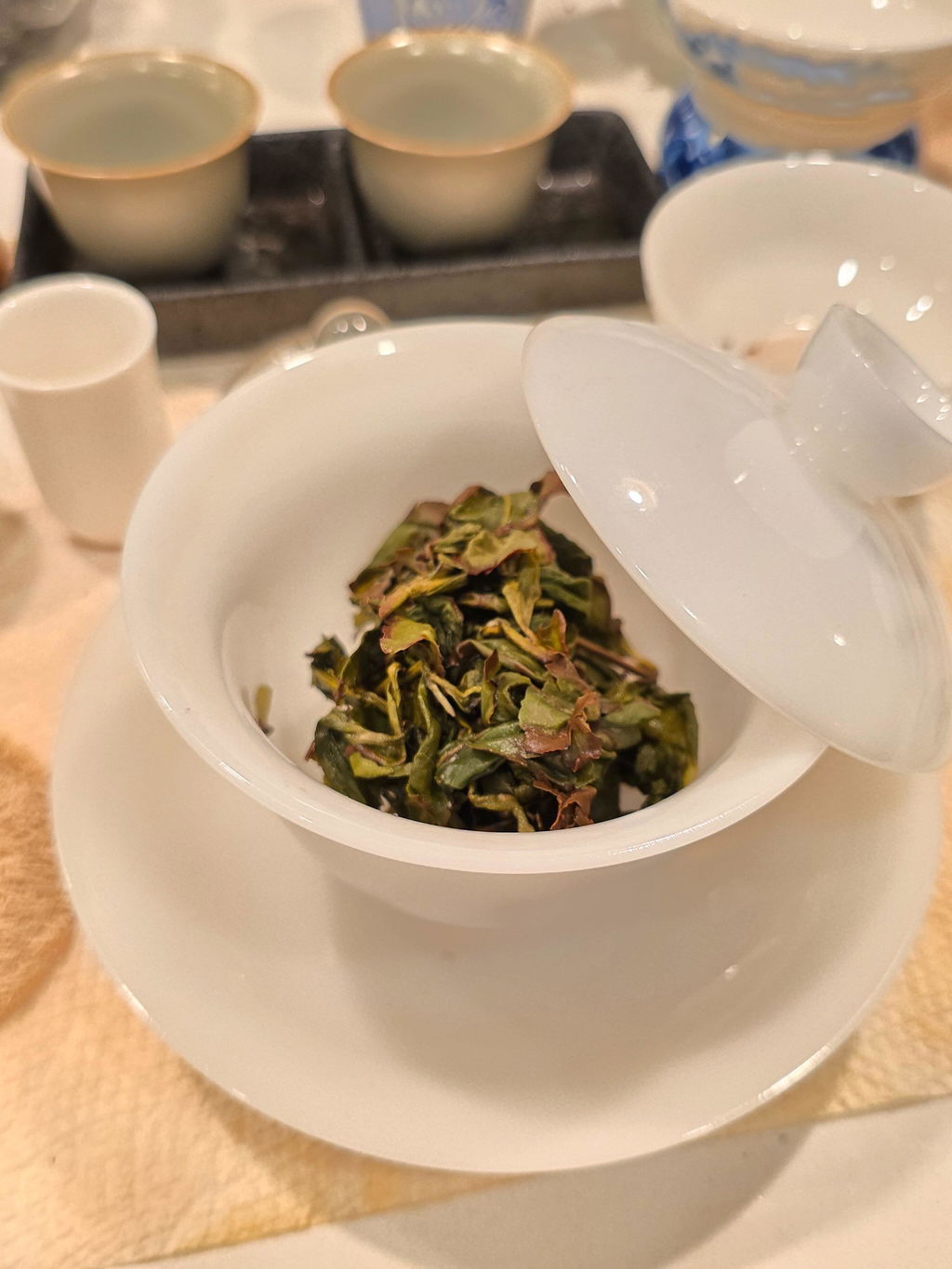
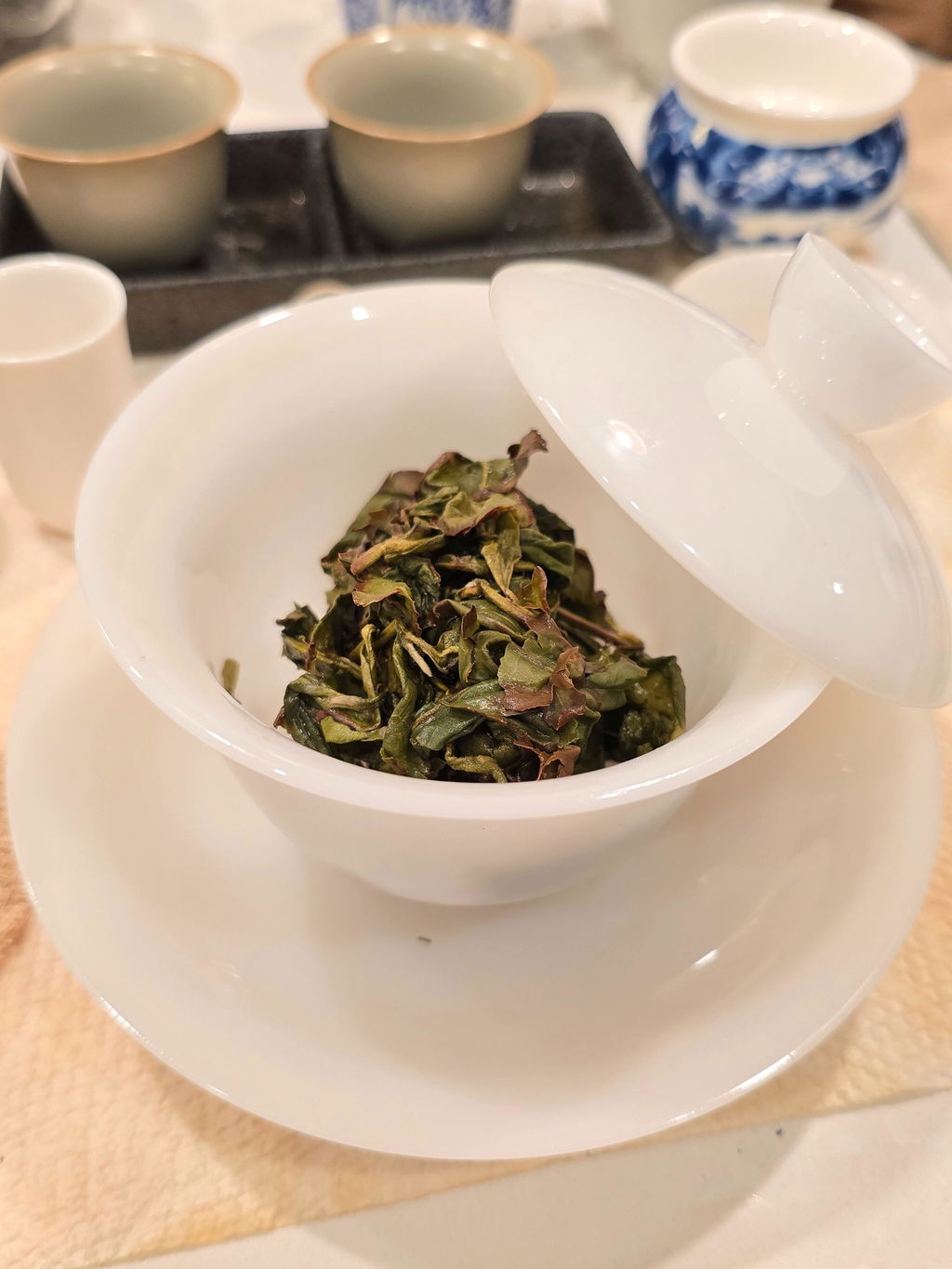
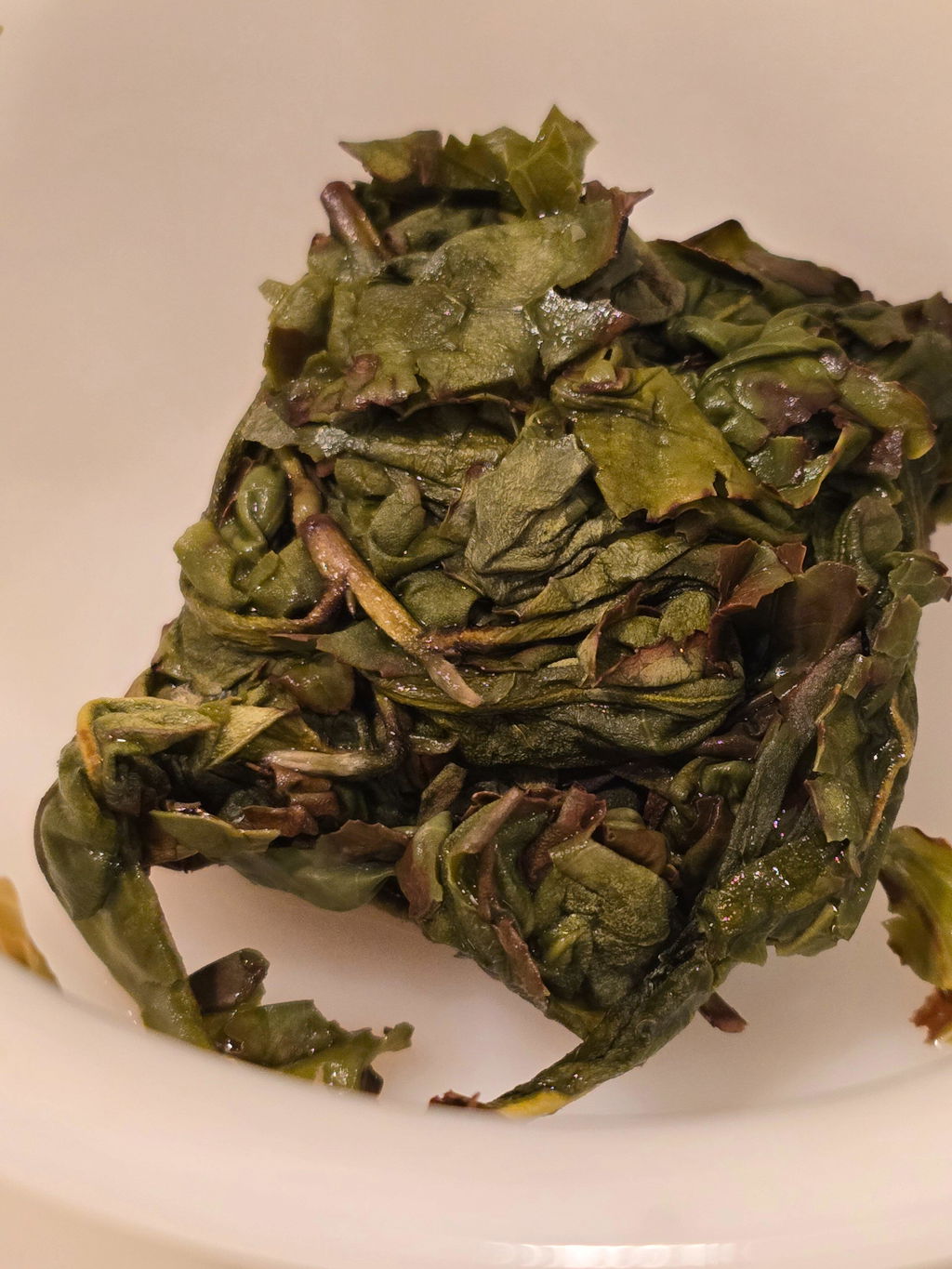
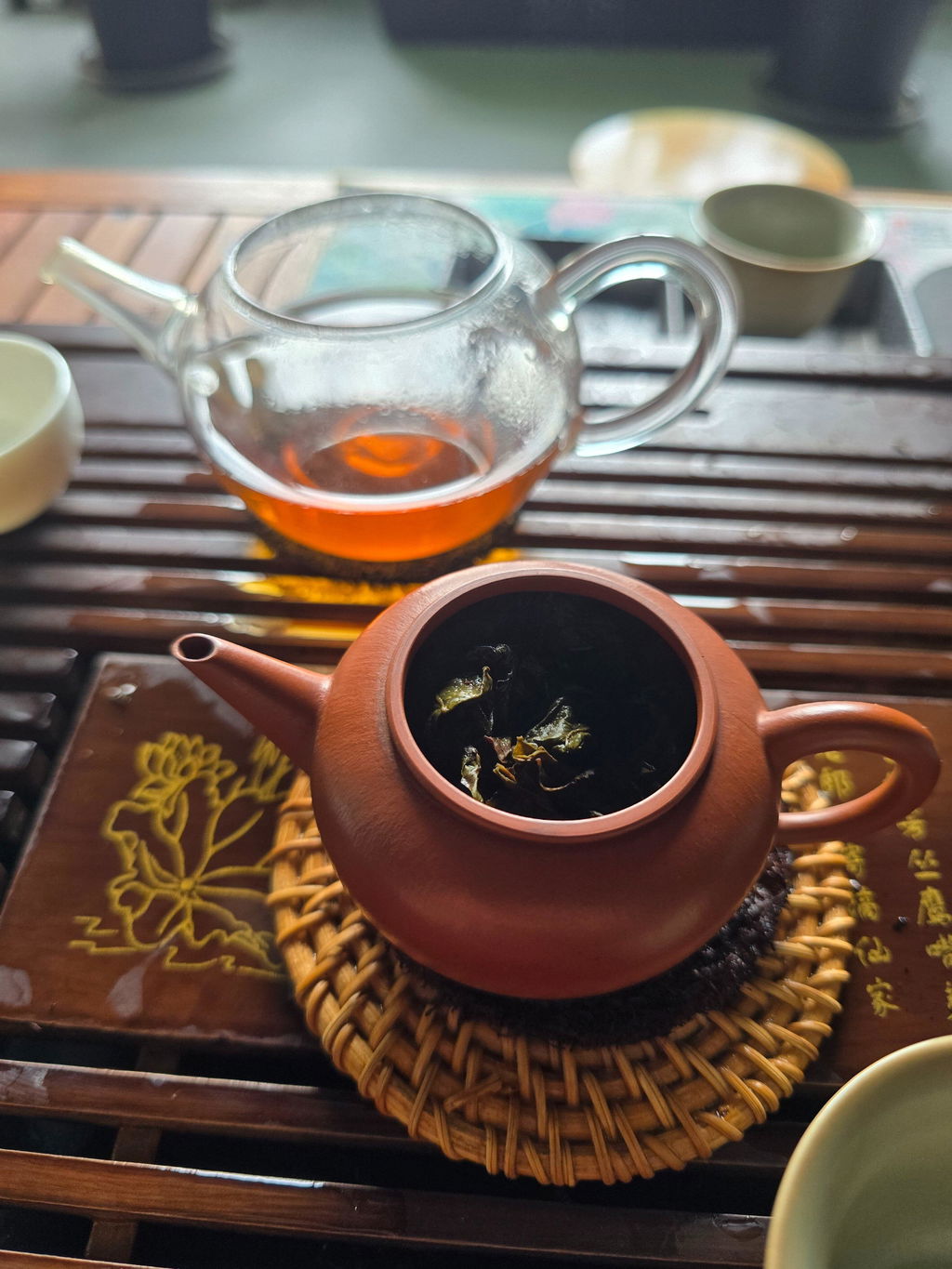
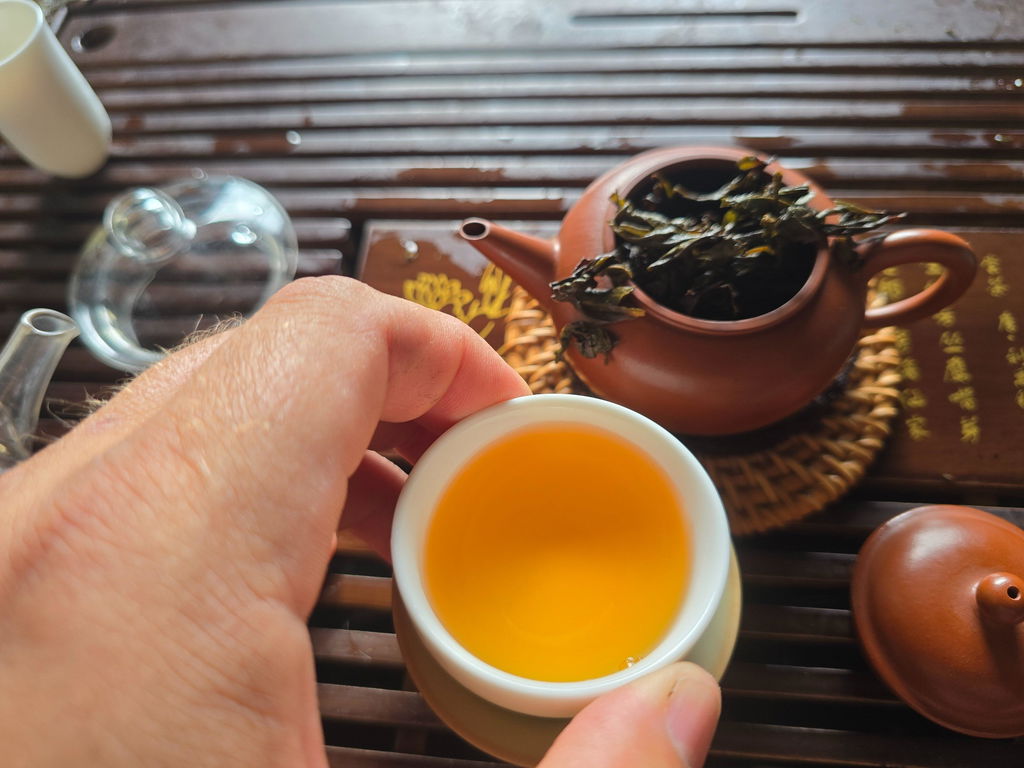
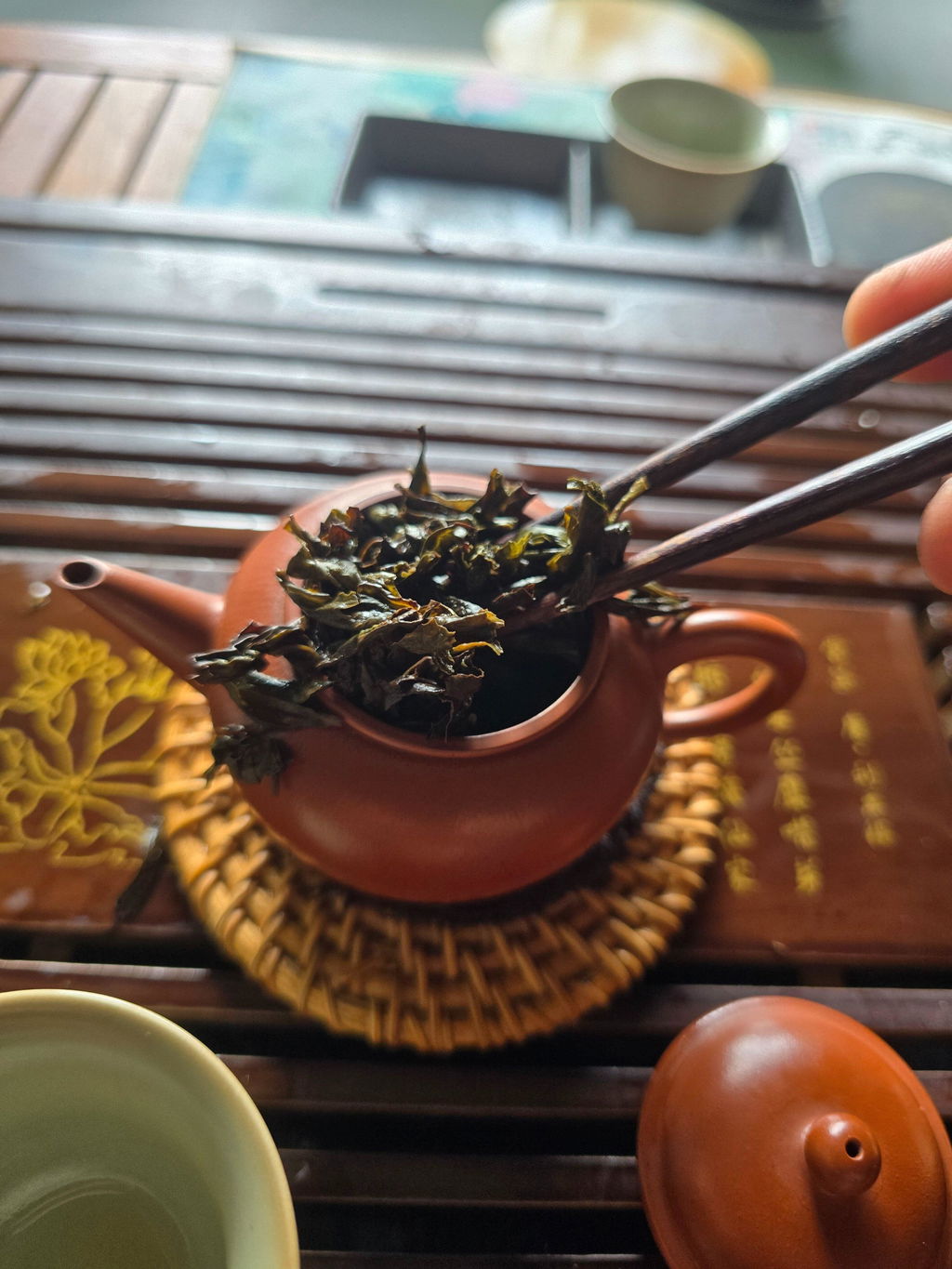
This Year of the Horse box is a curated yancha selection meant to show how wide Wuyi rock oolong can be. Instead of four teas that taste similar, it brings together four deliberately different profiles. Floral, fruity with a caramel-like sweetness, cinnamon-spice, and a deeper woody style. So, the differences are easy to taste. This isn’t a “best of” list. It’s just a straightforward way to try different sides of yancha.


What’s included:

Wu San Di Old Bush Shui Xian 吴三地老枞水仙: 6g*3

Zhu Ke Rou Gui 竹窠肉桂: 6g*3

Su Xin Lan 素心兰: 6g*3

Bai Rui Xiang 百瑞香: 6g*3

(feel free to adjust to suit your taste)

Use 6g of tea in a 110–120 ml gaiwan;

Start with 5–7 second steeps for the first three infusions;

Then gradually add a few seconds with each subsequent infusion.
People Also Bought