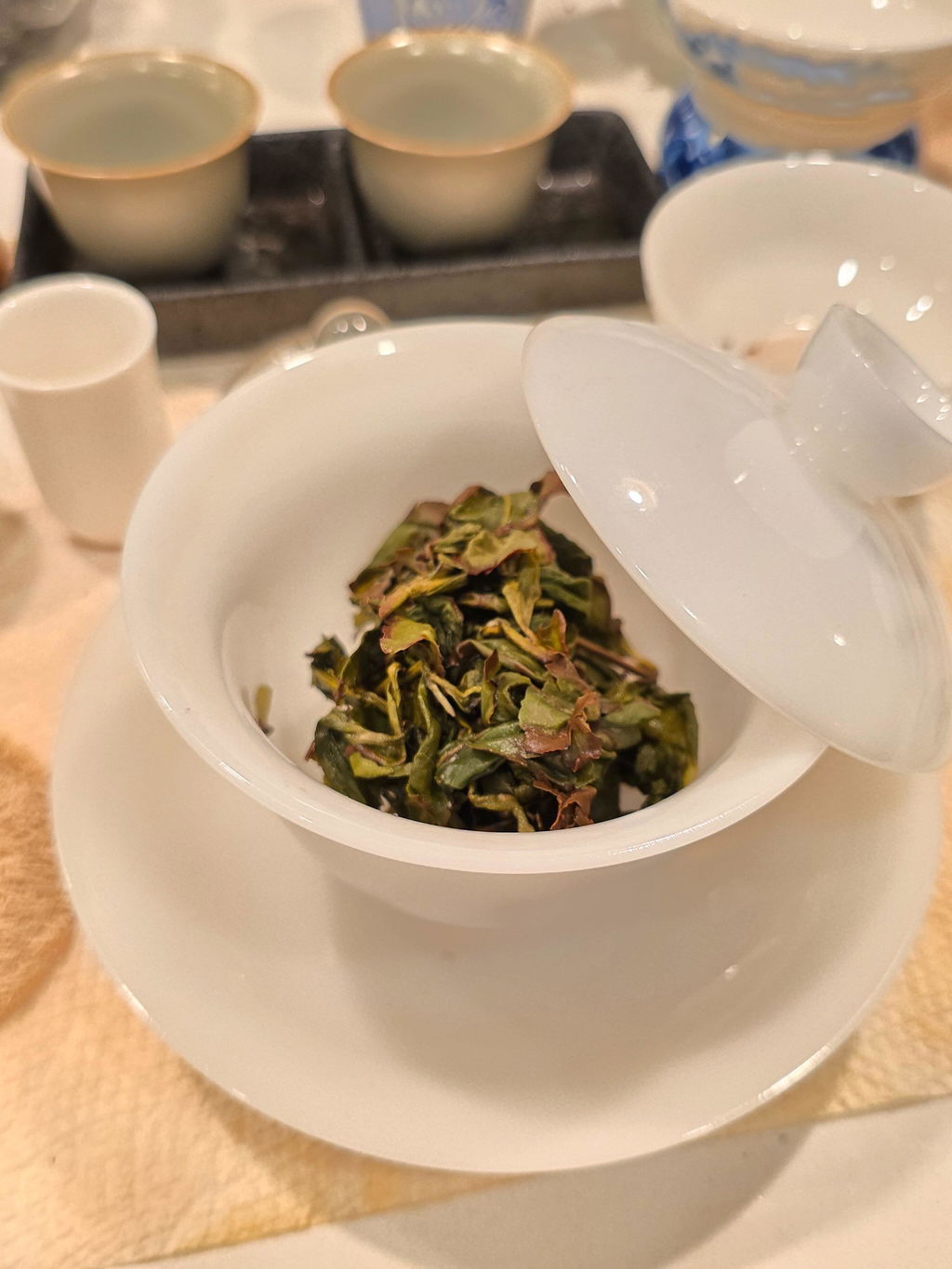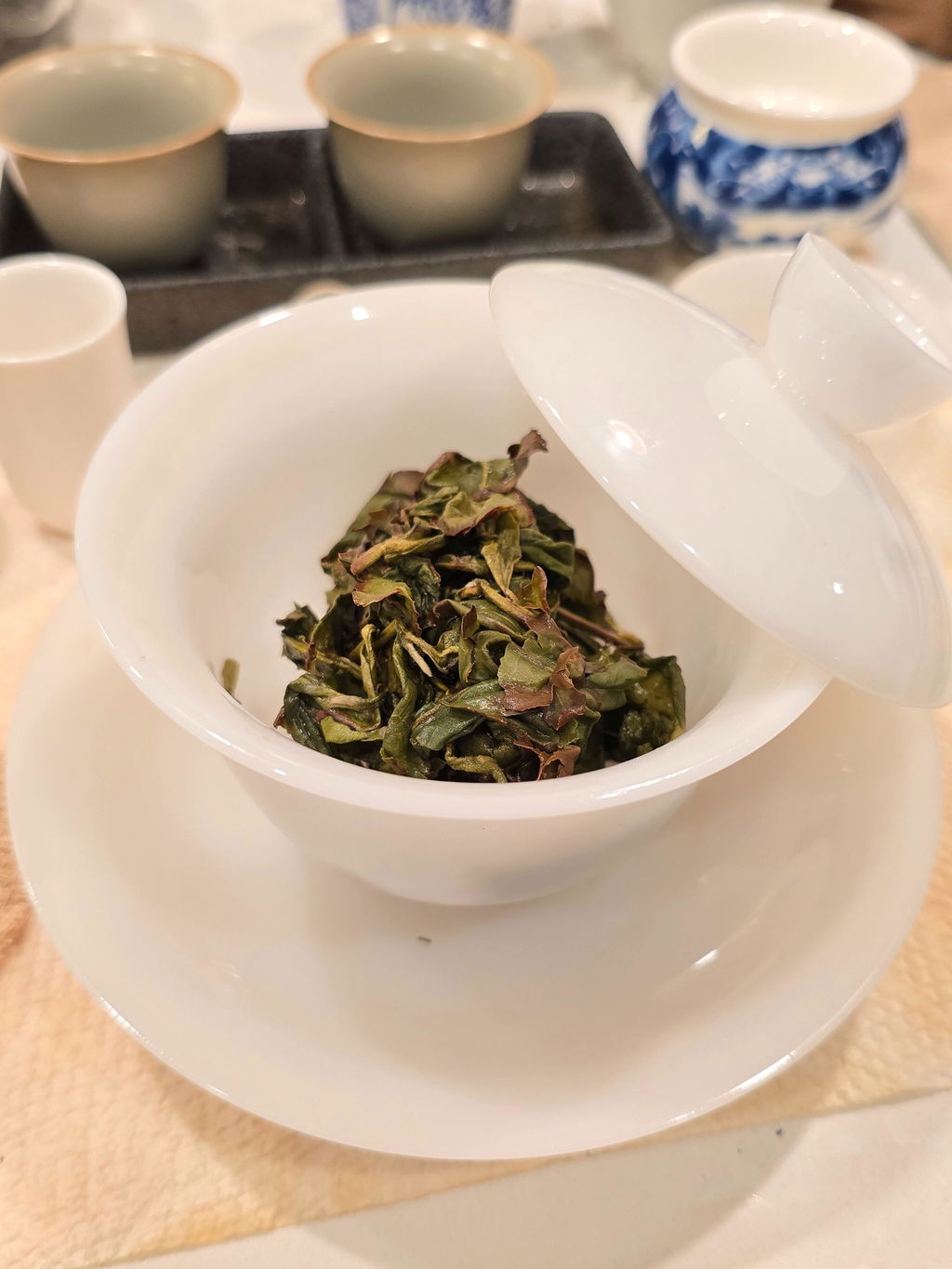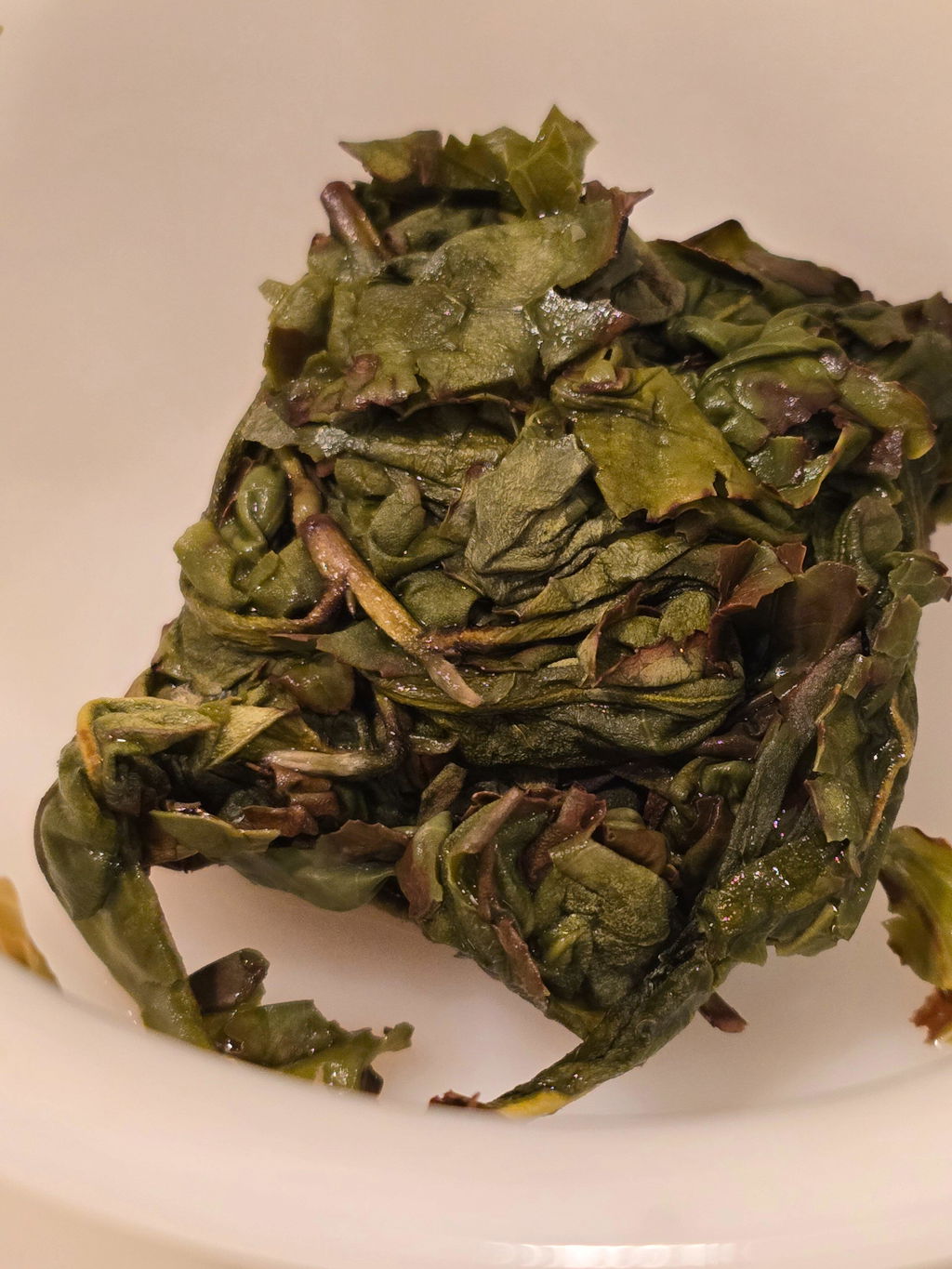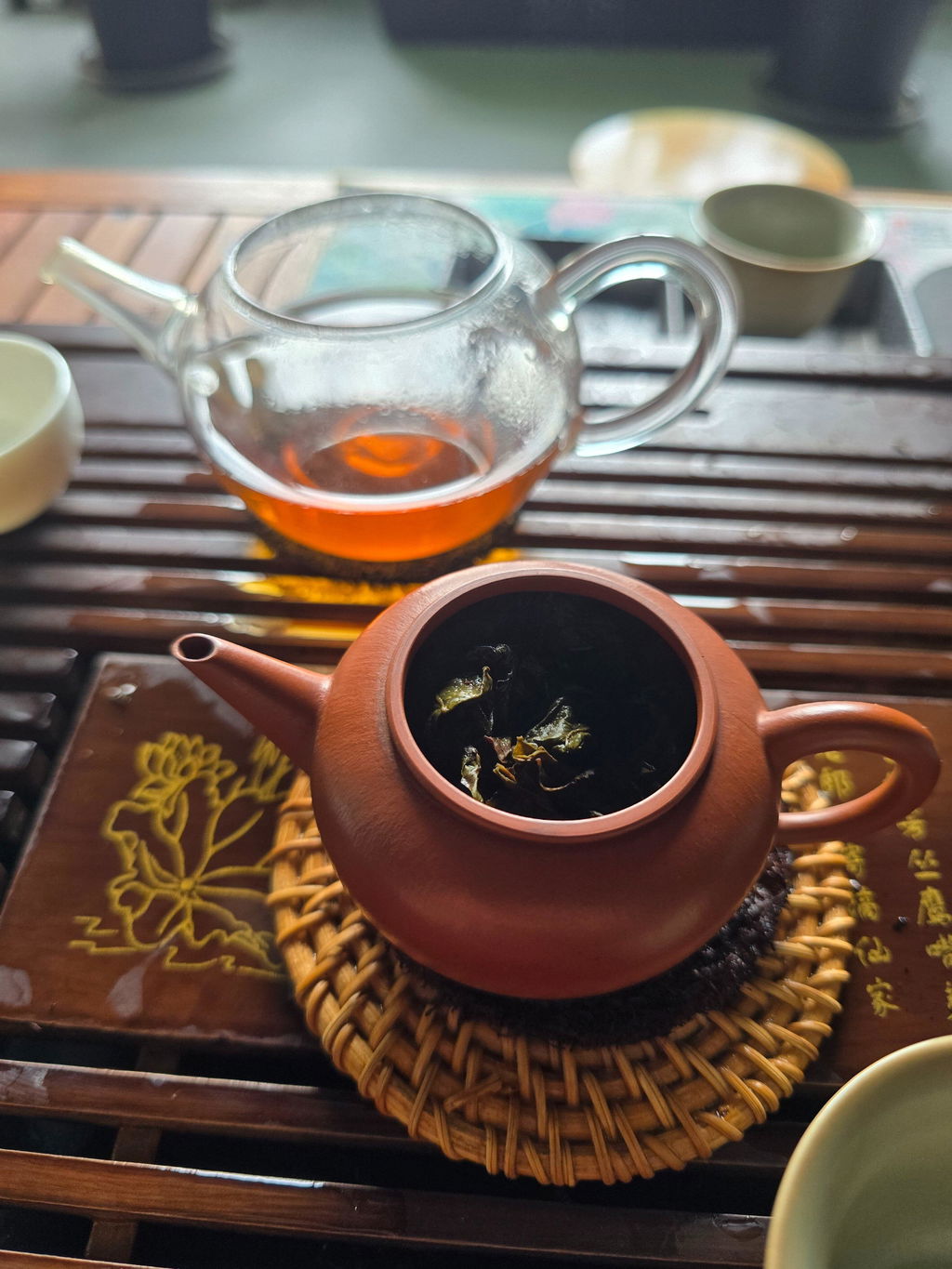


The Four Famous Bushes Yancha Sampler
Regular price
$20.00
Control humidity: Avoid storing tea in conditions that are either too dry or too humid.
Keep it cool: Store tea in a cool place away from direct sunlight and heat sources. Keep in mind that display cabinet lights can also produce heat.
Protect from light: Avoid using transparent containers whenever possible.
Limit exposure to air: Keep tea well sealed and avoid opening the container more often than necessary.
After we receive your order, we will process your package within 48 hours and hand it over to our international shipping partner. We will also send your tracking number by email. At this stage, tracking information may not be available yet.
Once the shipping partner receives the package, it usually takes 1–3 days (excluding Sundays) for them to process and dispatch it. Tracking information will begin to update after the package has been dispatched.
Delivery usually takes around 7–18 days from the date of dispatch.
If you run into issues while paying with PayPal, such as the page getting stuck while loading, it may be related to your network connection. Try switching to a different network or using another device. You can also try paying by credit card instead.

Wuyi Yancha is what our own family makes in Wuyishan, and it is the tea we work with most closely. We know the growing areas and tea plants firsthand, as well as the decisions that go into processing and roasting. For the small number of other teas we carry, we work with tea-making families we know personally and whose work we know well.

Wuyi Yancha carries the influence of where it is grown. Wuyishan has a particular growing environment shaped by its rocky terrain, soil, climate, sunlight, and moisture, and these conditions are an important part of what makes Wuyi Yancha what it is. Together with cultivar, processing, and roasting, they all play a part in the aroma, texture, and overall character of the finished tea.

We try to keep the information about our teas simple and clear. We share where each tea comes from, what tea plant it is made from, and how it was processed and roasted, so you have a clear idea of what you're drinking.
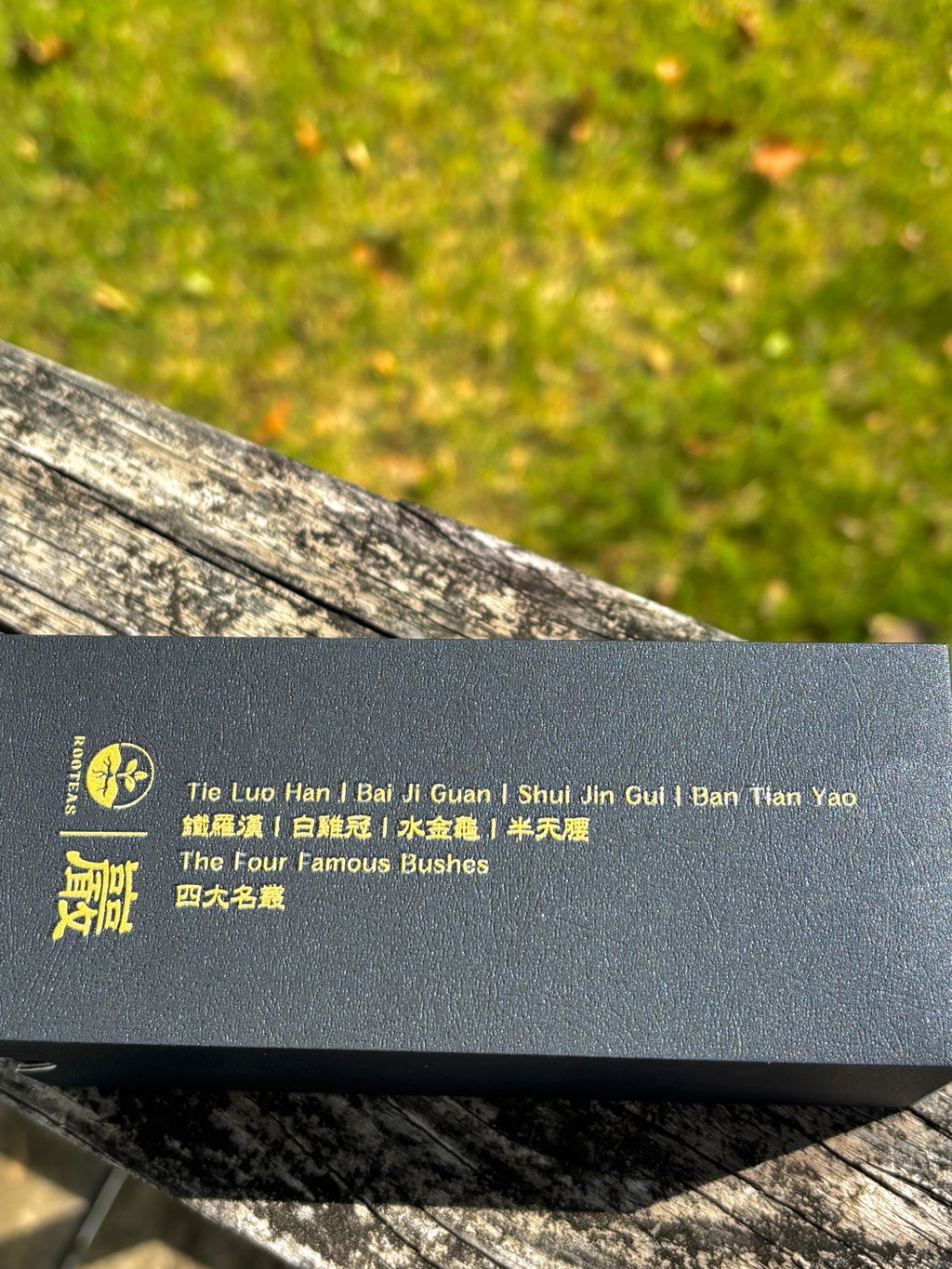
What’s included?
Tie Luo Han (“Iron Arhat”) 8g*1
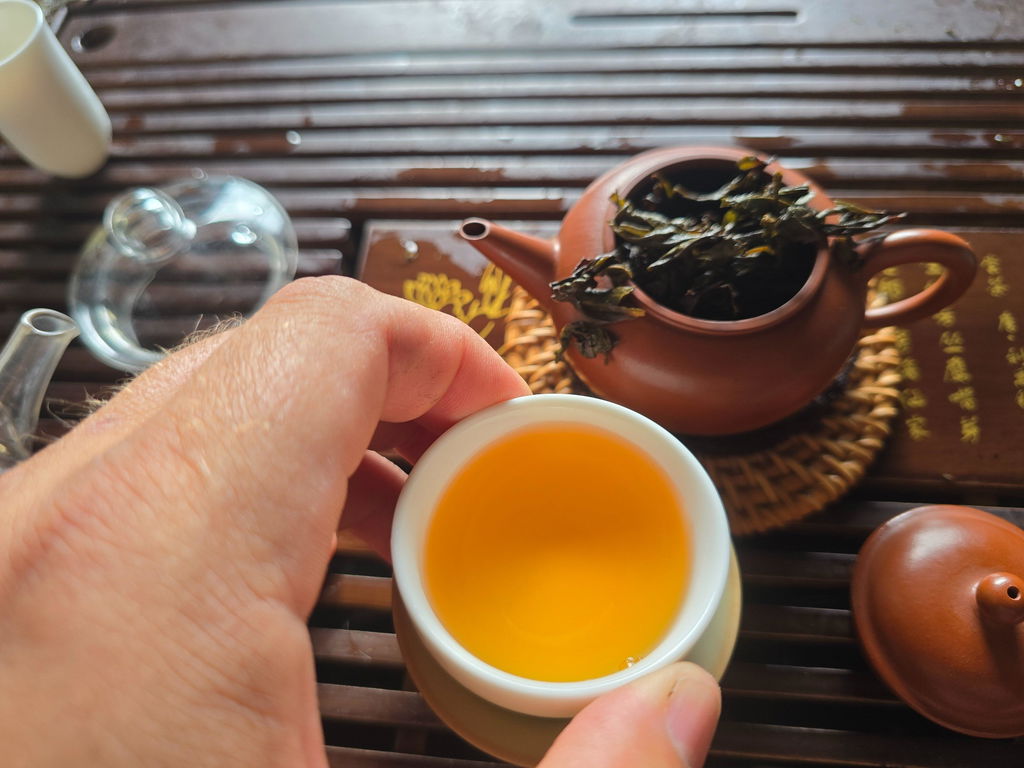
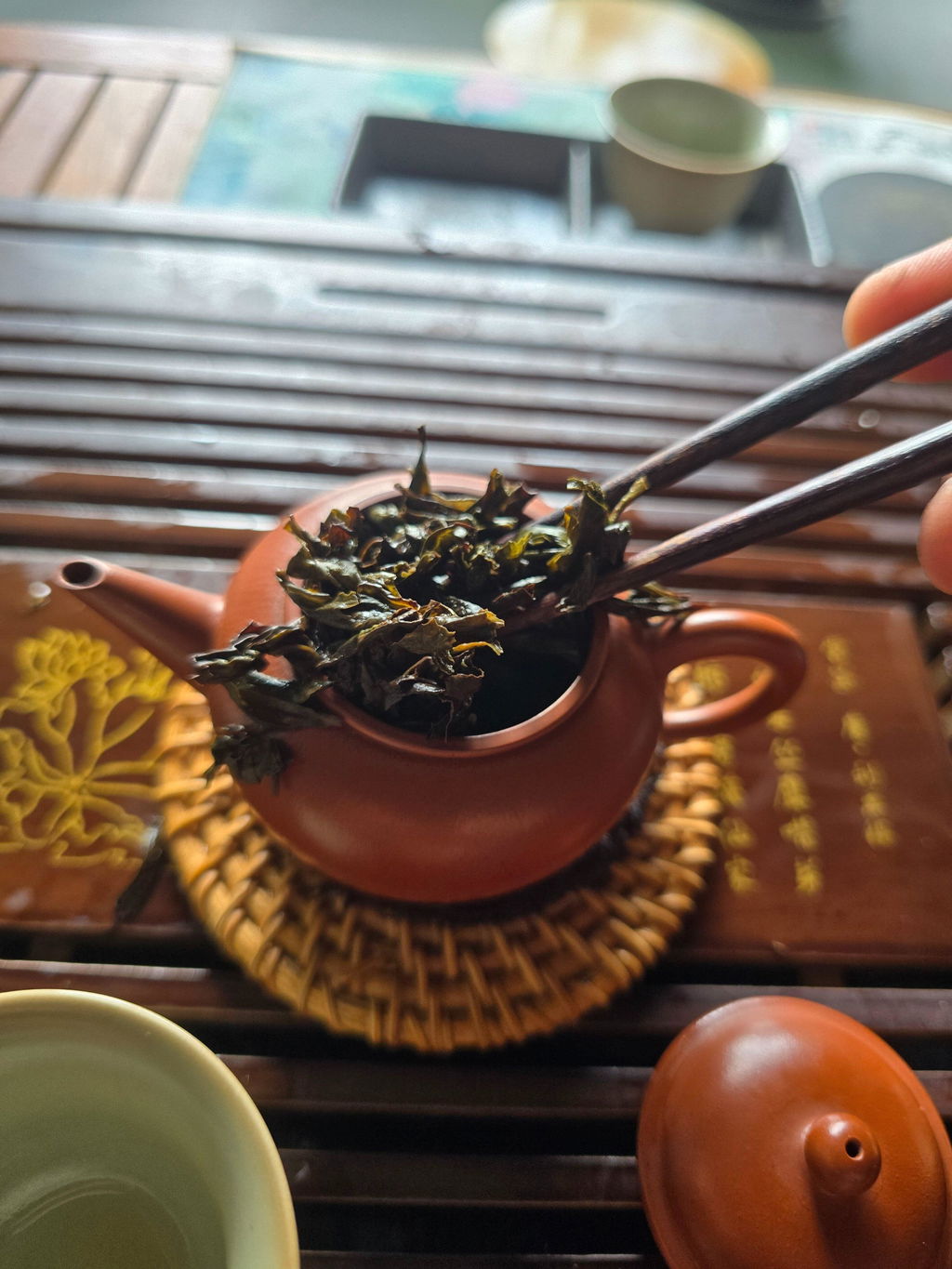
The first couple of infusions have light notes of roasted barley and wood. As the leaves open, a deeper Chinese herbal note gradually comes through, along with a mild bitterness. After swallowing, the bitterness fades into a light sweetness that stays on the tongue. The liquor is full-bodied and deep.
Click to see this tea on its own page
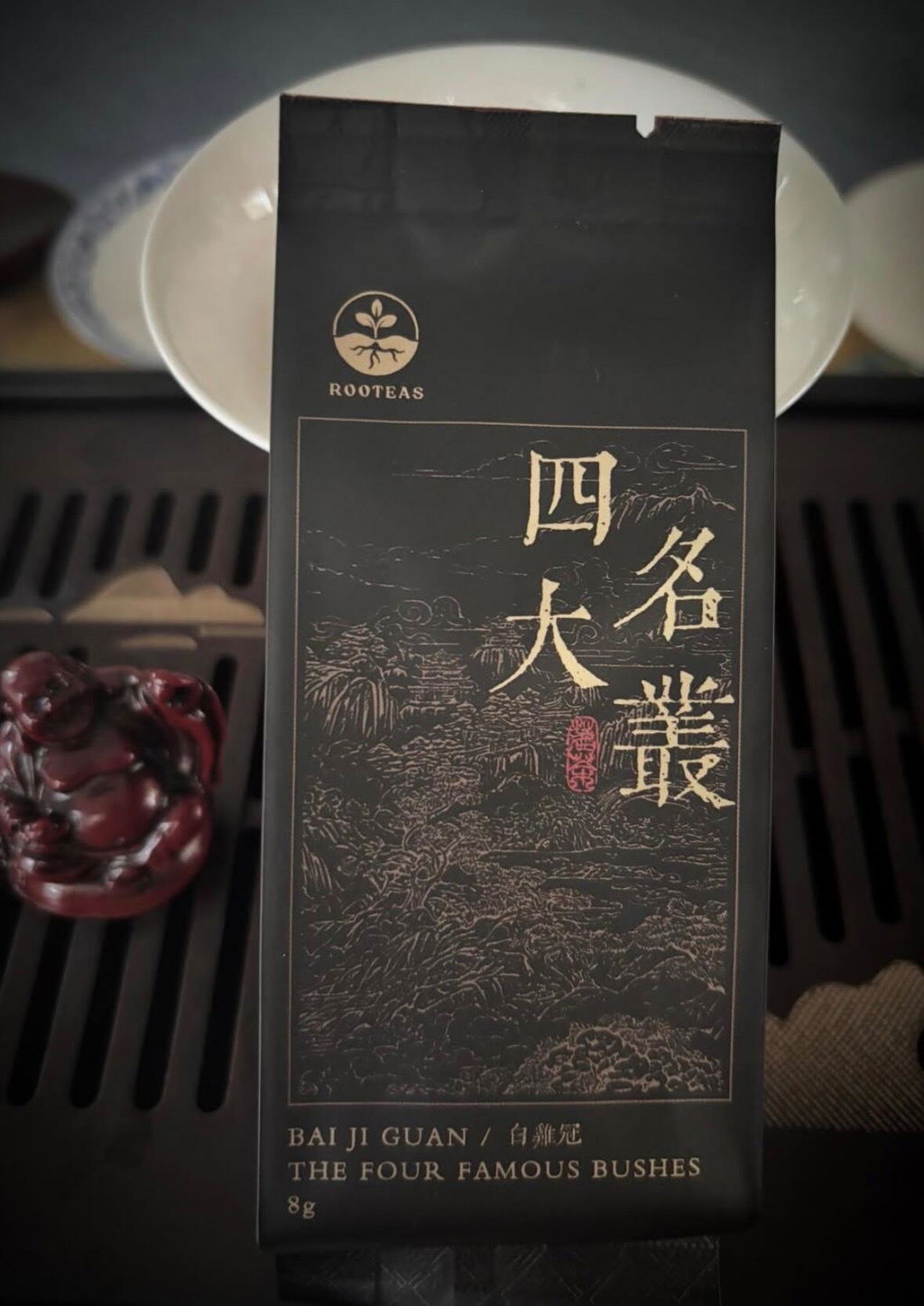
Bai Ji Guan (“White Cockscomb”) 8g*1
There is a corn silk note in this Bai Ji Guan, mixed with cereal and a touch of honeysuckle sweetness. The cup stays gentle, and later in the session a light floral aroma begins to rise after swallowing, giving the finish a slightly more fragrant feel.
Click to see this tea on its own page
Ban Tian Yao (“Halfway to the Sky”) 8g*1
This Ban Tian Yao has a bright, lively fruit character that comes through clearly from the start, with a light caramel note underneath. With further infusions, a softer floral note begins to appear in the background. The liquor has a lightly sweet, easygoing feel that keeps the tea approachable without becoming heavy.
Click to see this tea on its own page
Shui Jin Gui (“Golden Water Turtle”) 8g*1
There is a clear floral side to this Shui Jin Gui, together with soft fruit sweetness and a light caramel note. The tea stays lively through the session, with a clean finish that keeps the overall character light and aromatic.
Click to see this tea on its own page
What Are the Four Famous Bushes?
In 1943, the famous tea scholar Lin Fuquan first introduced five Wuyi representative tea cultivars in his work The Production, Processing, and Marketing of Wuyi Tea. These five famous cultivars are Da Hong Pao (“Big Red Robe”), Tie Luo Han (“Iron Arhat”), Bai Ji Guan (“White Cockscomb”), Ban Tian Yao (“Halfway to the Sky”), and Shui Jin Gui (“Golden Water Turtle”). Together, they are referred to as wǔ dà míng cóng (“the Five Famous Bushes”, “五大名丛”).
Later, in 2001, the Chinese Tea Cultivar Compendium formally adopted this grouping and named them the “Five Traditional and Precious Wuyi Bushes,” following Lin’s original classification.
In recent years, however, due to the exceptional fame and cultural status of Da Hong Pao, some scholars and tea professionals have begun referring to it as a unique symbol of Wuyi tea, standing apart from the others. As a result, the remaining four cultivars, Tie Luo Han, Bai Ji Guan, Ban Tian Yao, and Shui Jin Gui, are now commonly known as sì dà míng cóng (“the Four Famous Bushes”, “四大名丛”) of Wuyi Rock Oolong.
Tea: 8g
Gaiwan: 110–150ml
Water Temperature: 100°C / 212°F
(When possible, use filtered water, spring water, or good-quality mineral water. Water that is too hard may affect the taste of the tea.)
For the first few steeps, use quick infusions of about 3 seconds to avoid oversteeping. As the flavor begins to fade, you can gradually extend the steeping time.
Note: After each infusion, try to pour out all the tea liquor so none is left at the bottom of the gaiwan.
Also, feel free to find what works best for you.